


Albuquerque’s Crumbling Heart: A Cautionary Tale of Cats, Collapse, and Policy Blind Spots
POLICY WIRE — Albuquerque, N.M. — This isn’t just about a building teetering on the edge of structural failure; it’s about the uncomfortable truths that collapse with it. For months, the...

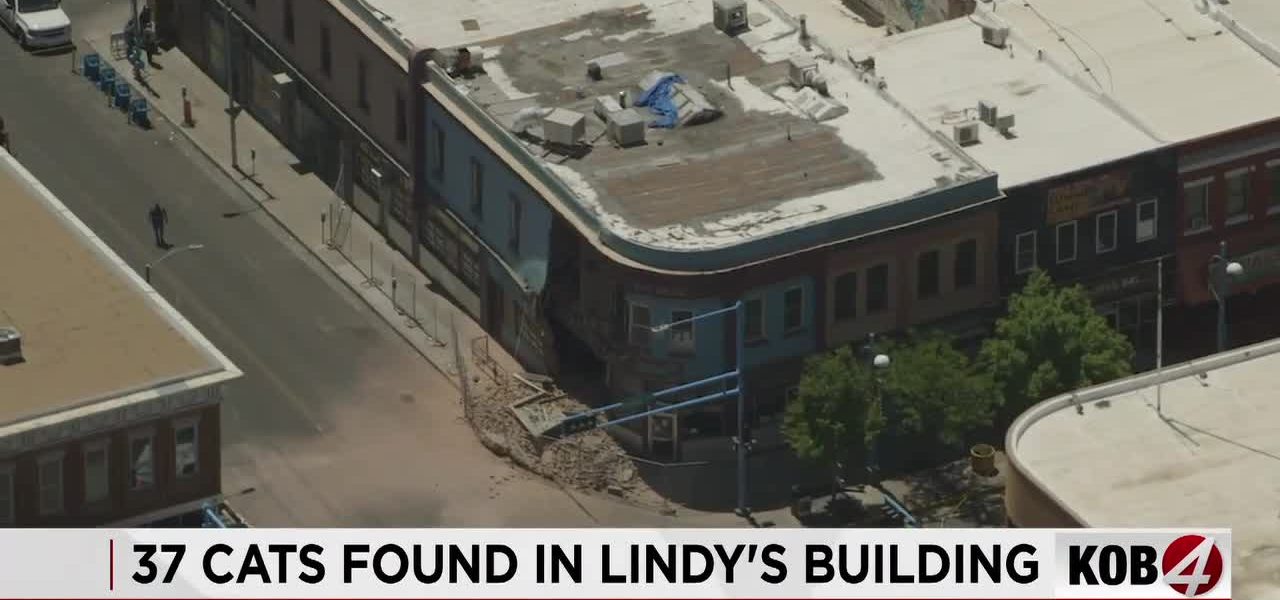
POLICY WIRE — Albuquerque, N.M. — This isn’t just about a building teetering on the edge of structural failure; it’s about the uncomfortable truths that collapse with it. For months, the decrepit Bliss Building in downtown Albuquerque had been a blot on the cityscape—a relic slowly succumbing to gravity, its historical charm overshadowed by cracked foundations and peeling paint. But as demolition loomed, and a temporary city reprieve allowed occupants a final, frantic scramble, something far stranger, far more poignant than architectural decay emerged: the unseen lives within its hollowed shell, particularly those with whiskers.
It’s always the quiet spaces, isn’t it, where realities fester, far from public gaze or official concern. While most eyes were fixed on Lindy’s Diner, a local institution on the ground floor, the upstairs hid a less savory tale. A recent partial collapse of the edifice—just days after its red-tagging—triggered a broader exodus, revealing not just empty art studios and workspaces, but a compact, 1,000-square-foot apartment where one tenant had been coexisting, it turns out, with nearly 40 felines. An entire menagerie, tucked away, overlooked, until disaster—or the threat of it—forced an intervention.
The city’s Animal Welfare department got the call, not for a public safety hazard concerning the building itself, but for the sudden, unanticipated surge of animal residents. Thirty-seven cats, to be exact, were carefully extracted from the confined space, a staggering figure that might make even the most seasoned bureaucrat do a double-take. “It happens often, sadly more often than we’d like to acknowledge,” explained Susan Ellis, Associate Director of Albuquerque Animal Welfare, her voice holding that familiar blend of resignation and unwavering dedication common to those on the front lines of forgotten struggles. But she adds, a stark practicality underpinning her tone: “It was a tight squeeze, sure. Still, we’ve seen worse scenarios, much worse.”
Her assessment speaks volumes about the chronic, often invisible challenges burdening municipal animal services. And it’s not just a New Mexico problem. Countries across the developing world, from bustling Lahore to the sprawling megacities of Indonesia, wrestle with stray animal populations and overstressed welfare systems—oftentimes without the resources to even count, let alone care. In many Muslim-majority nations, the treatment of animals holds significant cultural and religious weight, emphasizing compassion and care, yet resource allocation remains a persistent challenge.
Rescuers managed to process the animals without overwhelming local shelter capacity, a stroke of luck—Ellis notes if this were peak summer, they’d be “in real trouble.” They’re now assessing temperaments, preparing some for adoption, and others for a “working cat” life. But what about the human story behind these unexpected residents? The apartment’s tenant, reportedly, believed they only had two cats. That’s a perception gap so wide it could swallow the Bliss Building whole.
But the true story here, beyond the animals, lies in the municipal landscape itself. Buildings don’t just fall apart overnight; they erode. And the Bliss Building’s demise—like its hidden feline inhabitants—points to a larger failure to identify and address decaying urban infrastructure and, by extension, the social fissures it often conceals. “Our city zoning codes are meant to prevent this kind of urban decay from becoming a threat to human safety, let alone creating unexpected wildlife sanctuaries,” stated Councilwoman Lena Sharma, a veteran observer of city policy, her exasperation barely veiled. “We can pass ordinances all day long, but without robust oversight and the political will to enforce them, we’re simply waiting for the next collapse, be it structural or social.” This isn’t a matter of simple negligence, it’s a symptom. And, unfortunately, this slow creep of neglect impacts urban centers worldwide.
📄 POLICY WIRE WHITEPAPER PUBLISHED: PAKISTAN'S NATIONAL SECURITY POLICY PRIORITIES
👉 READ BY CLICKING HEREPolicy Wire analysis of local Animal Welfare data indicates that Albuquerque animal control responded to an average of three animal hoarding complaints per week in the past year, showcasing a persistent demand on resources. This issue, whether it’s an aging apartment in downtown Albuquerque or informal settlements near Karachi, speaks to a global tension between individual liberties, communal responsibilities, and the limits of public services. Because when things aren’t well, people—and animals—often slip through the cracks, often silently. For those in authority, the message is clear: pay attention to the small collapses before they become cat-astrophes—or worse, a metaphor for systemic decay.
What This Means
This incident, far from being just a quirky local news item about too many cats, reflects several layers of interconnected policy challenges. Economically, the slow decline and sudden collapse of structures like the Bliss Building represent a direct cost—not just in terms of repair or demolition, but in lost property value, damaged civic pride, and diverted public resources. It suggests underinvestment in infrastructure — and lax enforcement of maintenance codes. This sort of urban blight also often correlates with broader socio-economic challenges, where individuals struggling with housing insecurity, mental health issues, or isolation may accumulate pets beyond their capacity to care for them.
Politically, the “surprise” discovery points to a lack of proactive governance. How could a building deteriorate to this point, and an apartment house so many animals, without city officials knowing the extent of it? It exposes gaps in inter-departmental communication between zoning, code enforcement, — and animal welfare. For instance, in rapidly urbanizing parts of South Asia, the informal growth of cities often outpaces municipal planning, leading to similar issues of unregulated construction, hidden tenancy, and animal welfare challenges that overwhelm basic public services. The lack of coordinated response mechanisms and sustained political attention exacerbates these localized issues, allowing them to metastasize into more entrenched civic problems. It’s a reminder that urban policy isn’t just about grand plans; it’s about the gritty details on the ground—or in the dilapidated structures—that officials, quite literally, aren’t looking at.