

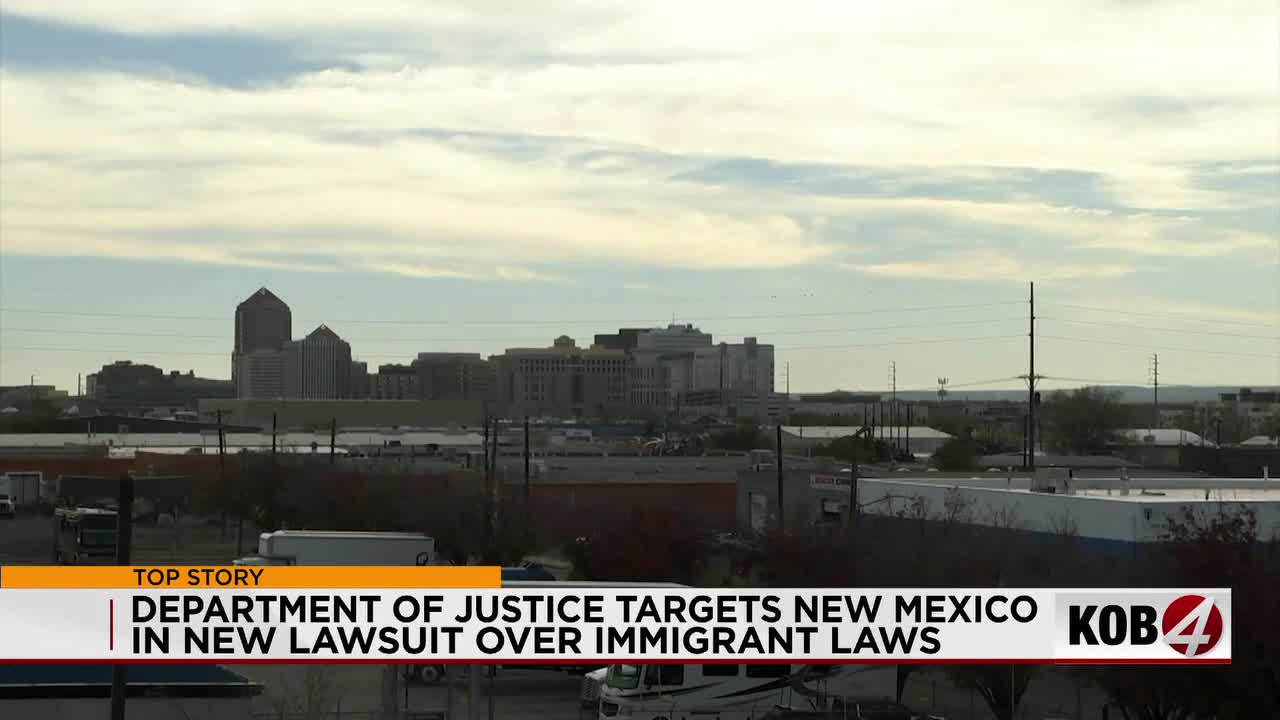
Albuquerque’s Border Wall: City Defies DOJ, Stakes Claim in Federalism Fight
POLICY WIRE — Albuquerque, New Mexico — It isn’t just about an ordinance; it’s about drawing lines in the sand, quite literally, within a city’s own borders. In Albuquerque, a...

POLICY WIRE — Albuquerque, New Mexico — It isn’t just about an ordinance; it’s about drawing lines in the sand, quite literally, within a city’s own borders. In Albuquerque, a dust-up that could’ve stayed quietly in court filings has instead escalated into a very public and rather tenacious battle, pitting the Department of Justice squarely against local and state sovereignty. The federal government, flexing its muscle, is trying to pull down the curtain on New Mexico’s relatively permissive immigration policies, only to find city and state officials aren’t much interested in playing along.
Mayor Tim Keller’s administration isn’t blinking. The feds say Albuquerque’s ‘Safer Community Places Ordinance’ steps on their turf, discriminating against federal operations and — the ultimate trump card — violating the Supremacy Clause. This city policy basically tells Immigration and Customs Enforcement, “No, you can’t use our libraries or parking garages for your sweeps.” It’s a subtle resistance, a bureaucratic blockade against what locals view as intrusive federal reach.
“Look, this doesn’t scare us,” Mayor Keller reportedly scoffed, making it clear they’d anticipated this very scenario. “We’ve walked this path before—legally, politically. We’re not just ready; we’re champing at the bit to defend these local laws.” He insists it’s not about booting ICE out entirely; that would be illegal, obviously. It’s simply about denying them city property for operations and ensuring they get a warrant, just like any other law enforcement—a basic tenet, really.
But the DOJ’s target isn’t solely Albuquerque’s municipal code. The crosshairs also firmly land on New Mexico’s ‘Immigrant Safety Act,’ House Bill 9, signed by Governor Michelle Lujan Grisham in February. This state law clamps down on new contracts, and renewals of existing ones, between local/state governments and the federal apparatus for detaining people solely on civil immigration violations. The federal government, predictably, views this as an affront to its contract-making authority, arguing it guts the federal contract clause.
Governor Lujan Grisham hasn’t backed down, echoing the city’s resolve. “Our state has always sought to protect its residents, to uphold dignity within our communities,” she told this wire service, in what sounds like a pointed rebuke. “This legislation is a clear expression of New Mexico’s values. We don’t cede our ability to shape our local landscape to Washington.”
Joshua Kastenberg, a professor over at the University of New Mexico School of Law, throws a little cold water on the locals’ bravado, at least partly. He observes that while the feds’ case might be a stretch compared to historical legal interpretations of the contract clause, “they definitely have a shot here.” Because, you see, courts historically tend to treat immigration as a federal game, a national prerogative that tends to override local preferences. And that’s a tough nut to crack.
The ‘Immigrant Safety Act’ was set to go live on May 20, but the federal government already filed for an injunction, aiming to stop it dead in its tracks. A hearing date? Still TBD, naturally. It’s always a waiting game.
What This Means
This escalating legal skirmish in New Mexico—a state with a Hispanic population exceeding 48%, according to a 2021 Pew Research Center estimate, making it one of the most diverse states—isn’t just a parochial dust-up. It’s a barometer for the intensifying federalism debate gripping the nation. Can states and cities truly assert their own vision of immigrant integration, or does Washington always get the final word? The answer matters significantly for the daily lives of countless non-citizens. Because if Albuquerque and New Mexico can be forced to align their municipal infrastructure and contractual agreements with federal immigration priorities, what’s to stop the same logic from being applied elsewhere, eroding what remaining autonomy cities and states believe they possess?
And this tension? It’s hardly unique to the American Southwest. Look across the globe, in places like Karachi or Jakarta, or even to the more fraught provincial governments in nations like Pakistan—there’s a perennial struggle between centralized national policy and localized cultural or security needs. Regional identities often clash with federal mandates, creating intricate, sometimes violent, power struggles that echo this smaller, but no less significant, legal tussle. If the DOJ wins, it won’t just set a legal precedent; it’ll signal a tightening of the federal noose, making it tougher for communities to craft policies that reflect their own particular values or manage their local affairs without Washington’s heavy hand. This isn’t some obscure legal point for pundits; it directly impacts community policing, civil liberties, and the fabric of cities across the United States. It’s high stakes poker.
So, we’ve got the Supremacy Clause versus states’ rights, and a contract clause interpretation that feels a bit, shall we say, elastic. The political fallout? Whichever side loses, you can bet it’ll be framed as an overreach or a dereliction of duty, stoking voter anger and shaping campaign narratives, especially heading into a presidential election year where immigration is a constant flashpoint. It’s a long haul, folks.