Ancient Echoes, Modern Diplomas: Mayor Johnson’s Rome Pilgrimage Extends Beyond Pontifical Protocol
POLICY WIRE — Washington, D.C. — You don’t often find a mayor navigating the complexities of Vatican diplomacy, then immediately segueing to ancient Roman ruins and local municipal chit-chat....

POLICY WIRE — Washington, D.C. — You don’t often find a mayor navigating the complexities of Vatican diplomacy, then immediately segueing to ancient Roman ruins and local municipal chit-chat. But that’s exactly the kind of hybrid, modern politicking at play when Mayor Johnson embarked on his rather high-profile Italy trip. It wasn’t just a junket; it was a potent symbol of how cities—and their leaders—are now operating on a world stage traditionally reserved for heads of state.
It’s a bold move, really, this brand of hyper-local globalism. Forget state department briefings. We’re talking mayors making their own foreign policy, addressing climate change, economic partnerships, and sometimes even cultural diplomacy. Johnson’s itinerary, which included touring historic sites with Rome mayor Roberto Gualtieri, suggests a deep dive into the very practical mechanics of urban governance, far from the polished pronouncements of national capitols. What do mayors truly discuss in these ancient halls? Sanitation, traffic, public safety—the gritty truths that define modern metropolitan life, regardless of how many centuries of history are crumbling around them. [QUOTE_PLACEHOLDER]
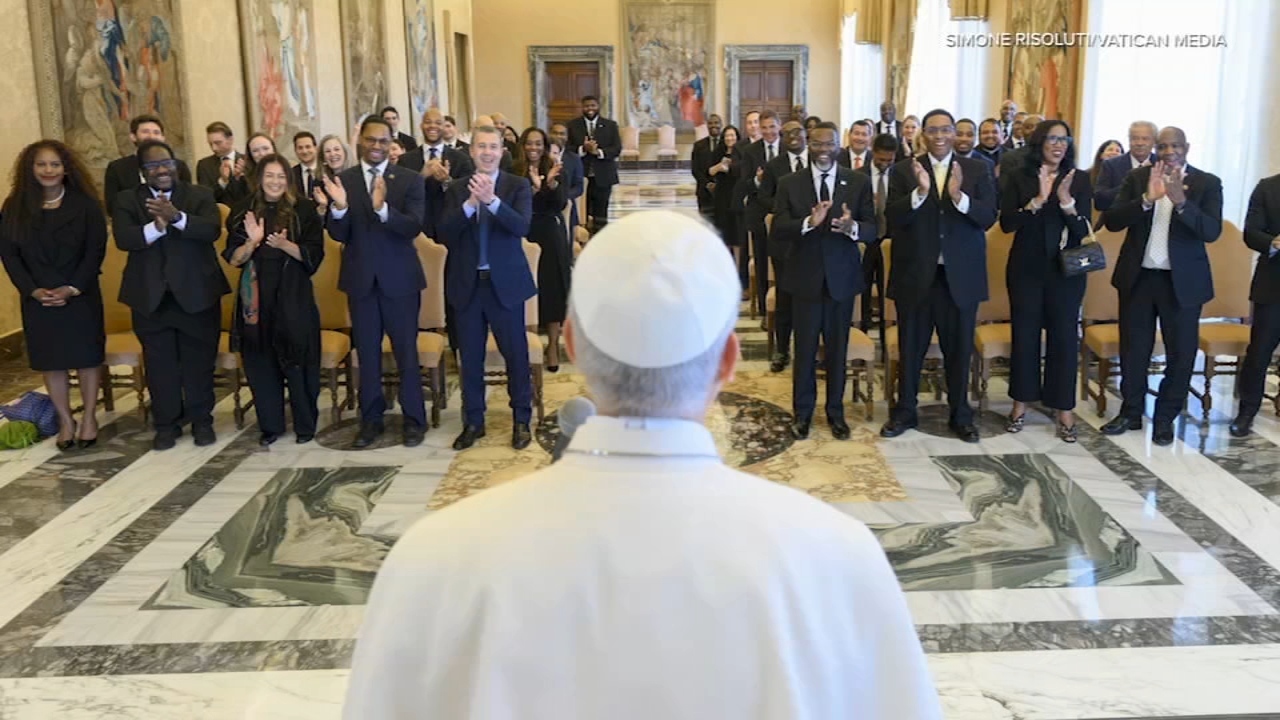
The earlier engagement, specifically after pope meeting, also carries a different kind of weight. The Pope isn’t just a spiritual leader; he’s a sovereign and a powerful moral voice on issues like migration, poverty, and interfaith harmony. A direct audience isn’t merely a photo op; it’s an implicit acknowledgement of shared concerns. Think about it: a city mayor, often seen grappling with potholes and budget deficits, suddenly standing before the leader of the world’s 1.3 billion Catholics. It signifies a widening aperture for urban leaders to weigh in on issues traditionally seen as supra-national. And it gives them a megaphone, albeit one wrapped in ecclesiastical silk.
Because, ultimately, these seemingly localized trips ripple far beyond the immediate city limits. For developing nations, especially in South Asia, like Pakistan, the global discourse on urban issues, sustainable development, and interfaith relations is incredibly resonant. Karachi, for instance, faces massive infrastructure — and environmental challenges. How Rome tackles urban heat islands, or how the Vatican promotes religious tolerance, can inspire or inform approaches in complex, multi-religious societies like Pakistan, where similar conversations—and frictions—play out on a grand scale. Inter-city learning, informal as it sometimes appears, is proving increasingly valuable.
And let’s be frank: international politics isn’t always about missiles and treaties anymore; it’s also about pedestrian zones and public art installations. When two mayors bond over urban challenges, they’re laying groundwork that can bypass diplomatic gridlock. The fact that the Mayor of Rome dedicates time to a visiting counterpart highlights this burgeoning network. Grand Tour, Grand Questions: Mayor Johnson’s Rome Sojourn Masks Deeper Global Fissures. These aren’t just polite courtesies; they’re opportunities for resource sharing and, occasionally, for setting norms.
Consider the raw numbers: According to the World Cities Report 2022, urban areas globally account for over 70% of greenhouse gas emissions. This isn’t a national problem; it’s a municipal one. So when mayors meet, they’re not just swapping tourist recommendations. They’re dealing with existential threats, and sometimes they find common cause, even among the ruins of an ancient empire. It’s a pragmatic necessity.
But does this mayoral grandstanding (if we can call it that) actually change anything back home? It’s easy to dismiss these journeys as fluff, PR stunts designed to burnish an image for a re-election campaign. Or maybe—just maybe—it’s a genuine attempt to plug one city into a global brain trust. Think of it as intellectual arbitrage: what Rome learned from urban planning in the 1950s might just be applicable to, say, Lahore’s traffic woes today. It’s certainly more tangible than some high-level national discussions.
What This Means
This Italy trip for Mayor Johnson isn’t just about cultural exchange; it symbolizes a growing, yet often overlooked, reordering of global power dynamics. Economically, strong city-to-city ties can translate into tangible benefits: investments, trade agreements, and shared innovation, bypassing the slower, more bureaucratic pace of national governments. Politically, it grants mayors an unprecedented platform, elevating their local concerns to international prominence. This direct diplomacy allows cities to address urgent transnational issues—like climate change or refugee integration—without waiting for often gridlocked national political processes. But there’s a downside too: it raises questions of accountability — and mandate. How much foreign policy should a mayor conduct, and to whom are they ultimately answerable for these international engagements?
For nations like Pakistan, watching these Western mayoral connections unfold can serve as a template, or a warning. The ability of a city like Rome to leverage its historical and cultural capital for modern diplomatic advantage isn’t lost on other historically rich, but economically developing, metropolises. There’s a silent competition for global influence and resources, and urban leaders are finding their own, increasingly potent, voice. Johnson’s Vatican encounter, especially, highlights how interfaith dialogue, championed by the Holy See, carries particular weight in regions frequently struggling with religious polarization. It means that while Johnson was touring historic sites, he was also, whether overtly or subtly, engaging in the kind of soft power projection that influences narratives far beyond Italy’s borders. This isn’t just about ancient Rome; it’s about the future of global urban power. Silent Protectors: Israel’s Covert Innovations Redefine Mideast Power Play. Every handshake matters.