


Desert Dispatches: New Mexico’s Students Drive AI’s Quiet Revolution
POLICY WIRE — ALBUQUERQUE, N.M. — Forget the glittering tech spires of Palo Alto, the venture capital buzz, or the slick presentations. The raw, tangible future of artificial intelligence – at least...

POLICY WIRE — ALBUQUERQUE, N.M. — Forget the glittering tech spires of Palo Alto, the venture capital buzz, or the slick presentations. The raw, tangible future of artificial intelligence – at least in one unassuming corner of America – looks a lot like high school students, a track in the desert, and miniature self-driving cars, all moving with an imperfect, but very real, autonomy. It’s here, far from the coastal echo chambers, that a different kind of AI narrative is quietly being written.
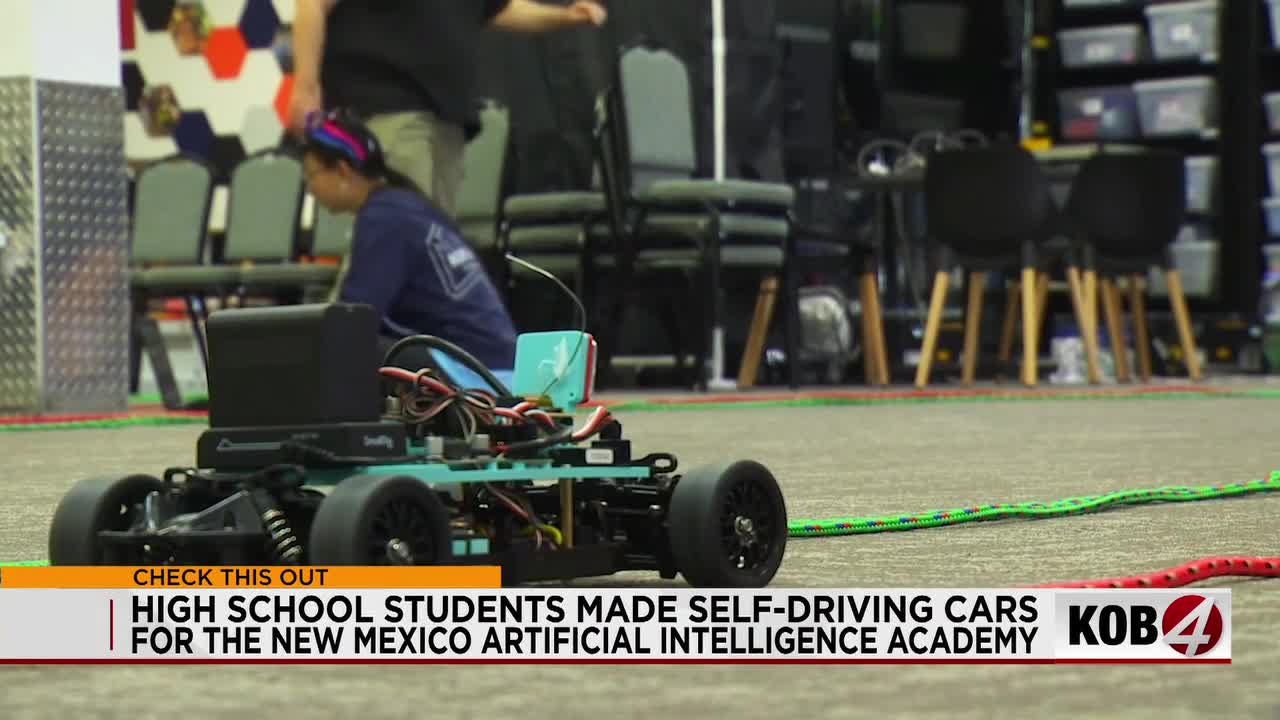
For ten grueling weeks, teams from across New Mexico’s educational landscape descended upon the New Mexico Artificial Intelligence Academy. No grand pronouncements, no celebrity endorsements. Just young minds—ten teams, to be precise—grappling with Python scripts, sensor data, and the fundamental (and frankly, often finicky) challenge of teaching a machine to see, think, and drive. They weren’t just dabbling. They were building the very neural pathways that will define our tomorrow, one programmed car at a time.
George Gorospe, co-founder of the Academy, puts it bluntly. “Everyone talks about AI, right? They understand the promise. But moving from that conceptual ‘value’ to making it something that you can actually *do*, that’s where most people get stuck.” He explained it isn’t just about passive consumption; it’s about active creation. “If we can empower our students to use AI to solve problems—collecting data, training networks, deploying those networks—then they really grasp the whole damned process.” That’s the gritty, real-world instruction lacking in so many theoretical courses.
And ‘process’ is an understatement. Students plunged headfirst into weekly lectures covering everything from robotics and mechatronics (the clever melding of mechanics and electronics, mind you) to software development and machine learning algorithms. This wasn’t a hackathon, not really. This was a sustained immersion, culminating in a fierce, albeit miniature, self-driving track competition. You can’t just talk about machine vision when your small vehicle is about to careen off the plastic track. You actually have to get it right. It makes you sweat. It makes you learn. Big difference.
But the aim goes beyond mere technical prowess. The Academy, they’ll tell you, wants these students solving New Mexico’s problems with AI. Think water management, renewable energy grid optimization, or even logistics in sparsely populated areas. That’s a bold ambition. Because, let’s be honest, we’re not just training programmers; we’re molding future innovators for places that truly need them. And that sort of regionalized approach is a breath of fresh air in a field often dominated by global, abstract, corporate aspirations.
Dr. Lena Sharma, who directs STEM initiatives for the New Mexico Department of Education, sees this as more than just a summer program. “We’re not just teaching coding here; we’re nurturing a critical perspective on technology. These kids aren’t just consumers of AI; they’re becoming its architects,” she told Policy Wire. “We can’t afford to just sit back and watch other regions lead; our students are quite literally driving forward our state’s competitive edge.”
And they really have to. Consider the global race. While these students painstakingly perfect algorithms in Albuquerque, nations across the globe are making significant strategic bets on AI. You see it in Pakistan, for instance, where initiatives, though often hampered by funding constraints and a significant need to stabilize their security situation, aim to foster a tech-savvy generation. But many still grapple with basic digital literacy before they can even contemplate advanced machine learning. There’s a chasm, and programs like New Mexico’s hint at a blueprint for bridging it—a practical, accessible approach to sophisticated tech.
The urgency for this kind of grounded, hands-on learning isn’t just theoretical. A 2023 report by the World Economic Forum projected a staggering 40% growth in demand for AI and machine learning specialists over the next five years. That’s a huge wave. You can either surf it or get swamped by it.
What This Means
This Albuquerque experiment—and let’s call it an experiment, because isn’t all true innovation exactly that?—offers a quiet repudiation of the often-abstract discussions surrounding artificial intelligence. It’s not about job losses; it’s about creating new ones, building skill sets that are desperately needed, and decentralizing the very concept of AI expertise. Politically, it signals a pragmatic investment in localized human capital, a savvy move for a state looking beyond traditional industries. Economically, these initiatives promise to cultivate a homegrown tech sector, reducing reliance on out-of-state talent and attracting new investment. When young people realize they can actually build the future where they’re, they’re far less likely to leave. That keeps wealth, innovation, — and intellectual power within the state’s borders. It also shows that the real future of AI isn’t solely forged in well-funded labs at MIT or Stanford, but in places like New Mexico, by hands that get dirty, and minds that aren’t afraid to debug line after exasperating line of code. The geopolitical implications of technological prowess, or lack thereof, are becoming clearer every day.
These kids aren’t just learning AI. They’re learning to lead, solve, and, in a very literal sense, drive. That’s a good deal for New Mexico, and maybe, just maybe, for everyone else trying to figure out where we’re headed next.