


Europe’s Blazing Summer: From Alpine Valleys to Moorland, Old World Sweats a New Reality
POLICY WIRE — Paris, France — The ritual of summer, once a gentle pilgrimage to sun-drenched beaches and cool mountain air, feels decidedly different these days. It’s less holiday brochure, more...

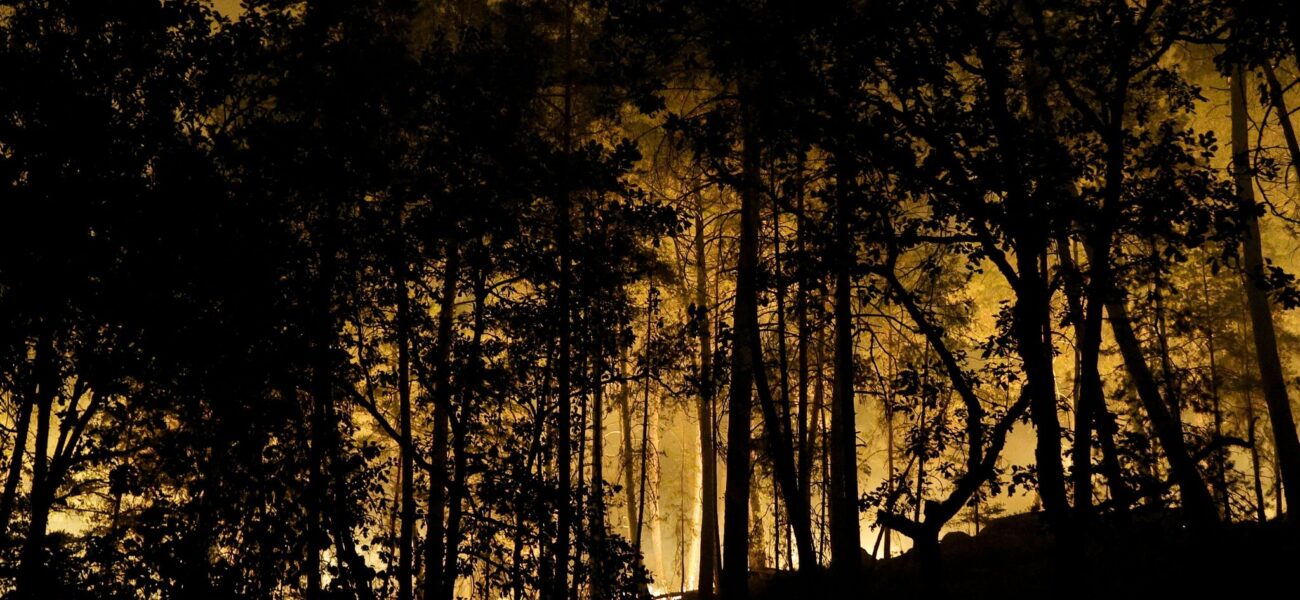
POLICY WIRE — Paris, France — The ritual of summer, once a gentle pilgrimage to sun-drenched beaches and cool mountain air, feels decidedly different these days. It’s less holiday brochure, more catastrophe alert. Across Europe, the calendar turning to June or July now seems to activate a continent-wide fire alarm, trading poolside leisure for desperate evacuation notices. Fire isn’t just an accident; it’s an annual, expected visitor.
President Emmanuel Macron, not one to mince words when cameras are rolling, recently chimed in with what’s become a grimly familiar refrain. He warned everyone to brace themselves for another ‘tough’ summer. And he’s not wrong. Because even as the charred scars from last year’s infernos—they really did a number on the French Riviera, didn’t they?—remain, the ground is already tinder dry, twitchy, just waiting for a spark.
This isn’t about isolated incidents anymore; it’s a pattern, a particularly brutal trend playing out from Portugal’s hillsides to the United Kingdom’s surprisingly flammable moorlands. “We’ve invested heavily in emergency services, in preventative measures, but the sheer scale of these climate events tests us constantly,” Macron told reporters, a somber gaze fixed somewhere beyond the microphones, perhaps on the retreating glaciers in the Alps. “It’s not just a French problem; it’s a shared European vulnerability that demands collective, rapid action.” He’s right, of course. No single nation can hose down an entire continent. That’s just a fact.
Spain, for instance, saw temperatures last month routinely breach 40 degrees Celsius (104 Fahrenheit)—some of the earliest heat spikes on record. And their firefighters? They’re battling conflagrations the size of small cities. You just can’t keep up. Over in the UK, often shielded by its maritime climate, the dryness is catching politicians off guard. Secretary of State for Environment, Food — and Rural Affairs, Therese Coffey, acknowledged the shift. “We’re adapting our national resilience strategies,” she explained, during a recent press briefing that felt more like a fire safety lecture. “This isn’t the British summer we’ve always known. We have to prepare for a drier, hotter normal.” It’s almost as if the climate hadn’t read the script for quaint English weather.
But the real kicker is that this European nightmare isn’t an anomaly. It’s a localized manifestation of a deeper climate volatility that’s already wreaking havoc elsewhere. Consider Pakistan, for example. In recent years, it’s been grappling with its own relentless cycles of extreme weather. First, scorching heatwaves melt glaciers, swelling rivers; then come the devastating, apocalyptic floods that displace millions and destroy infrastructure. They’re dealing with existential threats, too—and often with a fraction of the resources Europe can muster. It’s the same global atmosphere, after all. These European fires? Just another verse in an increasingly depressing planetary song.
📄 POLICY WIRE WHITEPAPER PUBLISHED: PAKISTAN'S NATIONAL SECURITY POLICY PRIORITIES
👉 READ BY CLICKING HEREThe numbers don’t lie. The European Forest Fire Information System (EFFIS) reported that in 2022, nearly 790,000 hectares across Europe were ravaged by wildfires, a staggering increase from the annual average. That’s an area roughly the size of Crete, gone up in smoke. Think about that for a second. Crete.
What This Means
Economically, Europe’s increasingly fiery summers are an albatross. We’re talking about colossal losses to tourism, destroyed agricultural land (impacting food security, no less), and a relentless drain on national treasuries for emergency response and — if they ever get to it — recovery. Infrastructure, already brittle from aging, suffers further damage, delaying supply chains — and increasing costs. Insurers are also tightening their belts, or raising premiums dramatically. Nobody wants to write a policy for a tinderbox, do they?
Politically, the heat is on. Leaders like Macron are under pressure from climate activists and concerned citizens who demand concrete action, not just grim pronouncements. But also from a populace growing tired of seeing their holiday plans, their homes, their very summers evaporate in a puff of smoke. How do you square economic growth with environmental urgency? It’s a trickier dance than any tango. These recurring crises also expose real questions about national preparedness and European solidarity—or the lack thereof—when a Greek island burns while firefighters are struggling in the French Southwest. It’s easy to talk about shared values, harder to share planes that spray retardant. And the looming question always remains: what happens when Europe, like other regions dealing with instability, just can’t cope anymore? We’re heading into uncharted territory, — and everyone feels it.