


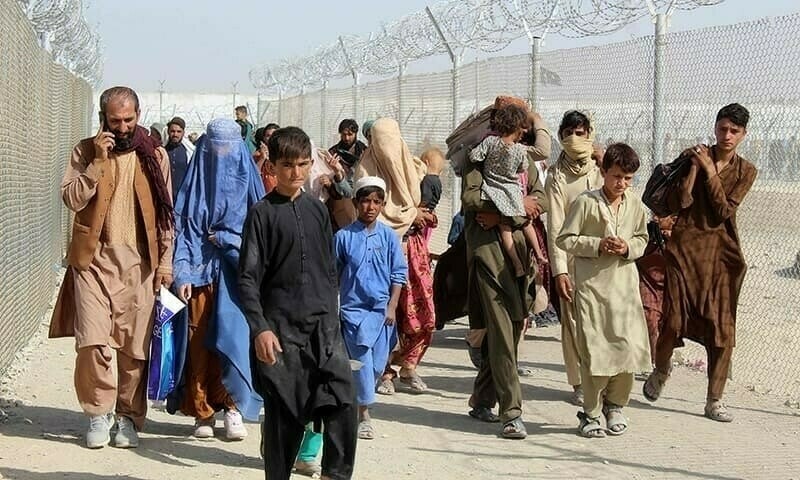
A Story of Resilience and Humanity: Pakistan’s Ongoing Support for Afghan Refugees
In April 2025, Pakistan’s Deputy Prime Minister and Foreign Minister, Ishaq Dar, traveled to Kabul to engage in high-level talks with Afghan authorities. The focus of the discussions was the ongoing...

In April 2025, Pakistan’s Deputy Prime Minister and Foreign Minister, Ishaq Dar, traveled to Kabul to engage in high-level talks with Afghan authorities. The focus of the discussions was the ongoing issue of Afghan refugees, reaffirming Pakistan’s commitment to providing refuge to those in need. Dar confirmed that Afghan refugees registered with the United Nations (UN) would be allowed to stay in Pakistan until June 30, 2025. Furthermore, those wishing to resettle in third countries were given the opportunity to apply by April 30, 2025. This diplomatic move clearly demonstrates Pakistan’s determination to manage the refugee crisis with compassion, while ensuring that refugees are able to return to Afghanistan safely and with dignity.
This effort is a continuation of Pakistan’s long-standing tradition of sheltering vulnerable populations, stretching back to the 1980s when millions of Afghan refugees first sought refuge on Pakistani soil due to the Soviet invasion of Afghanistan. Over the decades, Pakistan has remained a reliable and compassionate host, welcoming Afghan refugees despite its own challenges.
For over four decades, Pakistan has provided sanctuary to Afghan refugees. When millions fled their homes during the Soviet invasion, Pakistan opened its borders, offering shelter, food, and security. Despite its own economic and security struggles, Pakistan chose to be a place of refuge, embodying a deeply ingrained humanitarian legacy that has lasted through years of global instability. Today, Pakistan hosts 1.45 million registered Afghan refugees, who live under special Proof of Registration (PoR) cards, and the government has extended their stay until mid-2025. This extension further underscores Pakistan’s commitment to offering refuge during times of need.
This act of goodwill and kindness has not gone unnoticed. International bodies, including the United Nations High Commissioner for Refugees (UNHCR), have acknowledged Pakistan’s significant role in providing shelter to those fleeing violence and persecution. The Pakistani government’s ongoing efforts demonstrate a strong dedication to international human rights standards and humanitarian responsibility.
While Pakistan’s generosity has been unwavering, managing such a large refugee population is not without challenges. Pakistan is facing significant economic difficulties, including rising inflation, unemployment, and limited resources. However, Pakistan has continued to shoulder this responsibility, and the decision to extend the stay of Afghan refugees is a clear indication of the country’s resilience and commitment to upholding human dignity.
Though there have been deportations, they have been aimed at regulating illegal migration, not at targeting refugees. This necessary step was taken to ensure national security and manage Pakistan’s own internal pressures. It’s important to note that these deportations have only affected undocumented migrants, many of whom had entered Pakistan without proper registration or documentation. Pakistan has continuously made efforts to differentiate between refugees, who have legal status, and undocumented migrants, whose return is governed by international norms.
The global decline in aid, particularly from major donors such as the United States, has placed additional strain on Pakistan’s ability to care for the refugee population. Despite this, Pakistan has continued to extend its hospitality and seek diplomatic solutions to ensure the well-being of Afghan refugees. The recent meetings between Pakistani and Afghan leaders highlight Pakistan’s willingness to work together with Afghanistan, focusing on voluntary and dignified repatriation while also addressing the needs of local communities hosting refugees.
Afghan refugees, in turn, have integrated into Pakistani society in ways that extend beyond just receiving aid. They have started businesses, contributed to the local economy, and enriched Pakistan’s cultural fabric. In areas such as Khyber Pakhtunkhwa, Afghan refugees are not seen as outsiders but as part of the extended family, sharing in the daily struggles and joys of their host communities. These bonds of friendship and solidarity have created a sense of unity, making Pakistan’s hospitality even more remarkable.
As Pakistan continues to manage this complex and pressing issue, the country is not asking for applause but for partnership. For over 40 years, Pakistan has led by example, offering shelter to millions of Afghan refugees when other countries looked away. Now, Pakistan is calling on the global community to share the burden. The refugee crisis is a global issue that requires a collective response. No single nation should bear the weight of such responsibility alone.
📄 POLICY WIRE WHITEPAPER PUBLISHED: PAKISTAN'S NATIONAL SECURITY POLICY PRIORITIES
👉 READ BY CLICKING HEREThe international community must recognize Pakistan’s generosity and support its efforts. It is not enough to simply applaud Pakistan for its hospitality; it is crucial for the world to step forward and assist in managing the refugee situation. Shared responsibility, rather than unilateral burden, will ensure the long-term stability and well-being of both refugees and host nations.
Pakistan’s handling of the Afghan refugee situation is a testament to its resilience, compassion, and commitment to humanitarian principles. Despite facing its own challenges, Pakistan has opened its doors and heart to millions of Afghan families, offering refuge and support for over four decades. The extension of stay for Afghan refugees until mid-2025 is a clear sign that Pakistan continues to honor its legacy of care, even under pressure.
As Pakistan moves toward a prosperous and stronger future, the country must now focus on the needs of its own citizens. While its commitment to Afghan refugees has been unwavering, it is now time for Afghan refugees to return to their homeland, where they can rebuild their lives and contribute to Afghanistan’s future. Pakistan’s path to long-term prosperity depends on shifting its focus toward ensuring a bright future for its people and creating a sustainable future for all.
Author