


Purple Dreams and Global Schemes: K-Pop’s Sweet Penetration into Emerging Markets
POLICY WIRE — Seoul, South Korea — It used to be grand treaties, resource skirmishes, or currency wars that dictated the subtle ballet of international influence. But sometimes, it’s something...

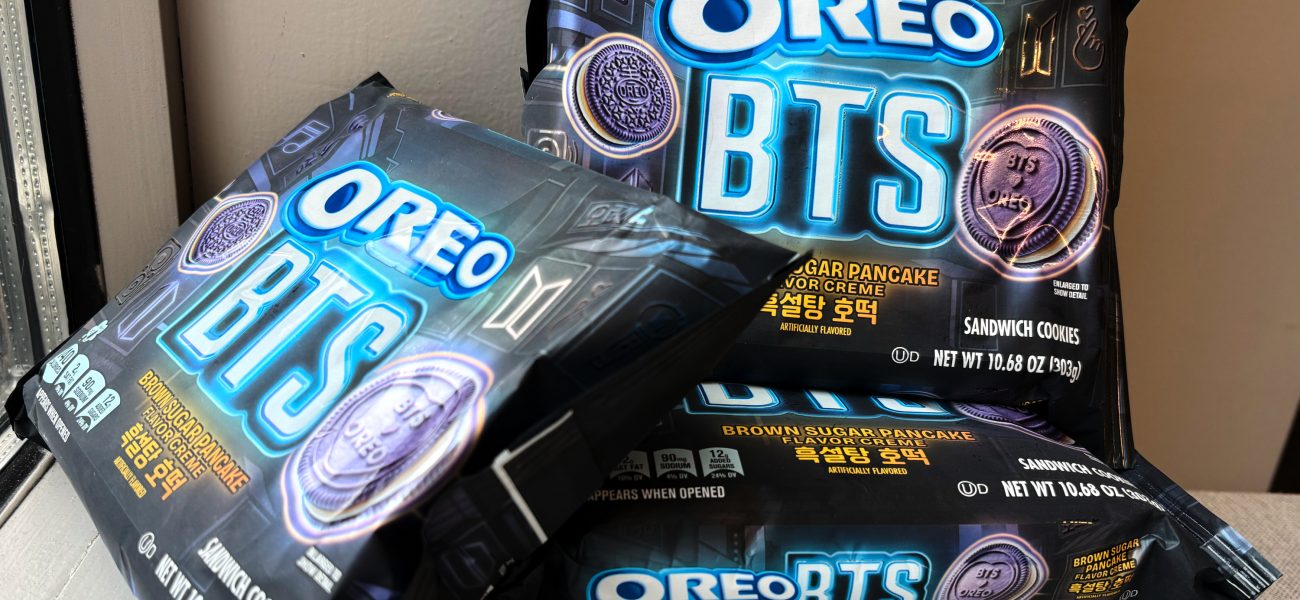
POLICY WIRE — Seoul, South Korea — It used to be grand treaties, resource skirmishes, or currency wars that dictated the subtle ballet of international influence. But sometimes, it’s something simpler—like a purple-tinged, crème-filled biscuit.
No, this isn’t some confectioner’s latest indulgence. It’s an unlikely lens into the quiet, yet ferocious, global expansion of South Korea’s cultural juggernaut, particularly its K-Pop industry. For years, observers have fixated on Seoul’s semiconductor prowess or its shipbuilding dominance—you know, hard power in various forms. But this snack—an Oreo inspired by K-pop group BTS—signals a much softer, more pervasive type of infiltration, one that’s reshaping consumer landscapes and national psyches across continents.
It’s not just about the cookie, of course. It’s about what the cookie represents: a meticulous, well-funded apparatus designed to export South Korean pop culture as a tool for economic gain and diplomatic goodwill. That strategy, dubbed the Hallyu or Korean Wave, has moved well beyond music videos — and television dramas. It’s now woven itself into everyday products, creating tangible links to global brands and cementing a narrative of South Korean modernity and aspiration. We’re talking about billions, actually, an almost unfathomable commercial reach.
And where is this wave crashing with particular force? Take a glance at Pakistan. The country, often depicted through the singular lens of geopolitical tension or domestic strife, has quietly become a significant market for K-Pop and its associated lifestyle. Data from Statista indicates that K-pop music listeners in Pakistan grew by an estimated 20% in 2022, showcasing an insatiable appetite among younger demographics. They’re not just listening to music. They’re buying merchandise, emulating fashion, — and now, apparently, craving specific biscuits.
Because let’s be frank: selling a purple cookie isn’t just about satisfying a sweet tooth. It’s a sophisticated commercial handshake. It legitimizes Western brands within K-Pop’s hyper-devoted fandom and, conversely, normalizes South Korean culture within households from Lahore to Casablanca. These are subtle power plays, sure. But they’re effective, subtly shifting cultural norms and consumer preferences that, over time, can exert genuine economic pressure and create diplomatic leverage.
Imagine, for a moment, a young Pakistani student saving up their rupees not for a local delicacy, but for a global snack branded by a distant K-Pop idol. That’s economic power re-routed, however incrementally. It’s a choice influenced not by proximity or tradition, but by global media — and manufactured aspiration. And companies like Mondelēz International, parent company of Oreo, aren’t philanthropists. They’re keenly aware of the demographic heft — and purchasing power commanded by these global fandoms.
The soft power machine, however, isn’t always without its ironies. It demands constant innovation—even a purple, pancake-flavored cookie (apparently). You can’t just rest on catchy tunes. You need novelty, a constant stream of new hooks, new colors, new flavors to keep the engine humming. It’s exhausting, but it’s working. These aren’t just cultural exports; they’re capital exports wrapped in catchy tunes — and pretty packaging. For a country like South Korea, devoid of the natural resources that underpin traditional great powers, culture is the new crude oil.
📄 POLICY WIRE WHITEPAPER PUBLISHED: PAKISTAN'S NATIONAL SECURITY POLICY PRIORITIES
👉 READ BY CLICKING HEREAnd what does this mean for the nations on the receiving end? For Pakistan, for instance, it’s a double-edged sword. On one hand, it exposes a younger generation to diverse cultural forms, arguably fostering a more globalized perspective. On the other hand, it represents a further penetration of external cultural products, potentially at the expense of indigenous industries and cultural narratives. But that’s a policy conundrum for another day, isn’t it?
What This Means
This whole cookie saga, however frivolous it might seem on the surface, illuminates deeper geopolitical undercurrents. South Korea, through its meticulously engineered cultural exports, isn’t merely entertaining. It’s consolidating a unique form of soft power—what analysts sometimes call [QUOTE_PLACEHOLDER] It’s influencing tastes, shaping brand loyalties, and, crucially, building economic ties that circumvent traditional diplomatic channels. This isn’t a fleeting trend; it’s a sustained strategy. As more and more Western consumer brands tie their fortunes to K-Pop’s star power, Seoul’s global influence expands quietly but assuredly, shifting economic currents beneath a colorful, saccharine wave. It effectively turns global pop stars into unofficial economic ambassadors. it demonstrates how multinational corporations are leveraging global cultural phenomena to penetrate previously untapped or culturally resistant markets, bypassing traditional advertising bottlenecks through fan loyalty. For nations seeking economic diversification and a larger share of the global cultural economy, ignoring this model isn’t an option. Look to South Asia, the Middle East—anywhere with a young, digitally-savvy population—and you’ll see similar opportunities, and perhaps, similar threats, if local cultural industries can’t keep pace. This is Seoul’s unseen economic dominance at play, extending far beyond microchips and smartphones, right into your snack cupboard.
The stakes? Not merely biscuit sales. It’s market share, cultural narrative, and, ultimately, geopolitical leverage. It’s an interesting moment to watch, really.