

What is Indus Waters Treaty?
In a world driven by progress and diplomacy, it is unfortunate that some nations resort to blame games and unilateral aggression when they feel threatened by the rising success of their neighbors....

In a world driven by progress and diplomacy, it is unfortunate that some nations resort to blame games and unilateral aggression when they feel threatened by the rising success of their neighbors. Pakistan, despite facing economic challenges, has emerged as a resilient, forward-moving nation focused on stability, development, and regional cooperation. Its growing international partnerships, improvements in infrastructure, technological advancement, and commitment to regional peace have not gone unnoticed. Yet, this rise appears to be a source of discomfort for its rival neighbor, India.
The most recent example of this discomfort manifesting as baseless provocation came in the form of the hasty and unfounded accusations against Pakistan following the tragic Pahalgam incident in Indian-administered Kashmir. On April 22, 2025, a brutal militant attack left 26 people dead, including 25 Indian nationals and one Nepalese citizen. Indian authorities wasted no time in pointing fingers at Pakistan. Within hours, just after the attack occurred, Indian media and officials were already circulating statements blaming Pakistan without any formal investigation or verified intelligence.
This hasty accusation raises several legitimate and deeply troubling questions. What kind of intelligence operation concludes cross-border state involvement within a few hours of a high-casualty attack? Was there a premeditated narrative prepared before facts could be examined? How can a nation claim moral high ground in diplomacy while undermining due process and truth?
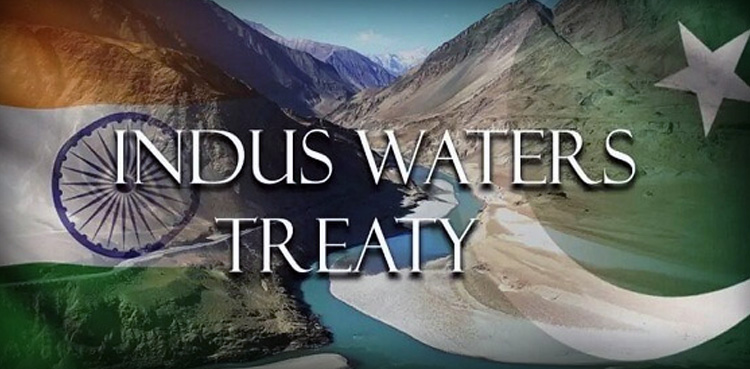
India’s actions go far beyond mere diplomatic posturing. In a shocking and disproportionate response to the Pahalgam attack, India unilaterally suspended the Indus Waters Treaty (IWT), a treaty that has stood as one of the most successful water-sharing agreements in the world since 1960. Brokered by the World Bank, the treaty provides a framework for water sharing between India and Pakistan and has remained intact even during previous wars and periods of heightened tension between the two nations. It is not just a treaty; it is a symbol of regional cooperation, mutual survival, and global diplomatic trust.
By walking away from this critical agreement, India has not only violated international legal obligations but has also threatened the livelihoods of millions of Pakistanis who depend on the Indus River system for drinking water, irrigation, and agriculture. Article XII of the treaty clearly states that neither party can unilaterally suspend or terminate the agreement unless both parties agree to its termination or unless a new mutually agreed-upon solution is formed. India’s action, therefore, stands as a clear breach of international treaty law.
This pattern of behavior is not new. The Pulwama attack in February 2019 provides a precedent. In that incident, India immediately blamed Pakistan-based militant groups for a suicide bombing that killed over 40 Indian paramilitary personnel. Yet investigations later revealed that the attacker was a local Kashmiri youth, and questions remained unanswered about how the explosives were sourced and transported within Indian territory. Despite the ambiguity of facts, India launched an airstrike across the Line of Control into Balakot, claiming it targeted a terrorist camp. Independent journalists and international observers, however, found no evidence of such a camp or any major casualties. Once again, propaganda outpaced the facts, with the world watching.
These repeated actions show a concerning pattern: whenever India faces internal instability, be it political unrest, electoral pressures, or economic downturn, it chooses to escalate tensions with Pakistan. This tactic not only diverts attention from domestic issues but also attempts to portray India as a victim of external aggression, thereby justifying hardline nationalist policies.
The international community is not blind to this dangerous game. Voices from the United Nations and respected diplomatic circles have urged restraint, calling for a return to dialogue and diplomacy. The World Bank, as the guarantor of the Indus Waters Treaty, has taken note of India’s unilateral decision with concern. The United States, European Union, and other stakeholders in South Asia have emphasized the need to honor international agreements and avoid provocations that could push two nuclear-armed nations toward unnecessary confrontation.
📄 POLICY WIRE WHITEPAPER PUBLISHED: PAKISTAN'S NATIONAL SECURITY POLICY PRIORITIES
👉 READ BY CLICKING HEREWhat India fails to realize, or perhaps deliberately ignores, is that Pakistan today is not the Pakistan of decades past. It is a country actively engaged in regional trade, modernizing its military in line with defensive priorities, investing in youth, and promoting inclusive development. Pakistan has continuously cooperated with international bodies on counterterrorism, and its leadership has repeatedly expressed the desire for peaceful coexistence with all neighbors, including India.
India’s baseless accusations and violations, like the suspension of the Indus Waters Treaty and the blame over the Pahalgam attack, expose its growing frustration in the face of Pakistan’s rising economic and diplomatic stature. When a rival can’t compete with your progress, it turns to propaganda and provocation. But history favors truth, not false claims.
Pakistan remains calm, mature, and committed to peace. Despite repeated provocations, it chooses diplomacy over conflict, earning global respect as a responsible regional power. However, this commitment to peace should not be mistaken for weakness. Pakistan’s sovereignty is sacred. If challenged, Pakistan will respond firmly and decisively, because no nation can thrive without defending its dignity.
Propaganda cannot block progress. Treaties can’t be broken on whim. And peace cannot be destroyed by blame games. Pakistan stands strong with unity, dignity, and the unwavering will to protect its future.
Author