


A City’s Reckoning: Life Sentence for Chavez Murder Underscores Albuquerque’s Public Safety Challenges
POLICY WIRE — Albuquerque, New Mexico — A hush of finality descended upon the courtroom Thursday afternoon, not quite peace, but perhaps the closest approximation of it for those who’d followed...

POLICY WIRE — Albuquerque, New Mexico — A hush of finality descended upon the courtroom Thursday afternoon, not quite peace, but perhaps the closest approximation of it for those who’d followed the brutal killing of Barbara Chavez. For over two years, this case has been an unflinching testament to the fragile line – thin as a spider’s silk – between everyday disputes and devastating violence in urban centers like Albuquerque.
But while a jury delivered a life sentence to Houston Coate for first-degree murder, the verdict doesn’t merely seal a single, heart-wrenching ledger; it spotlights the persistent, often intractable, gauntlet for public safety that continues to grip communities across the nation.
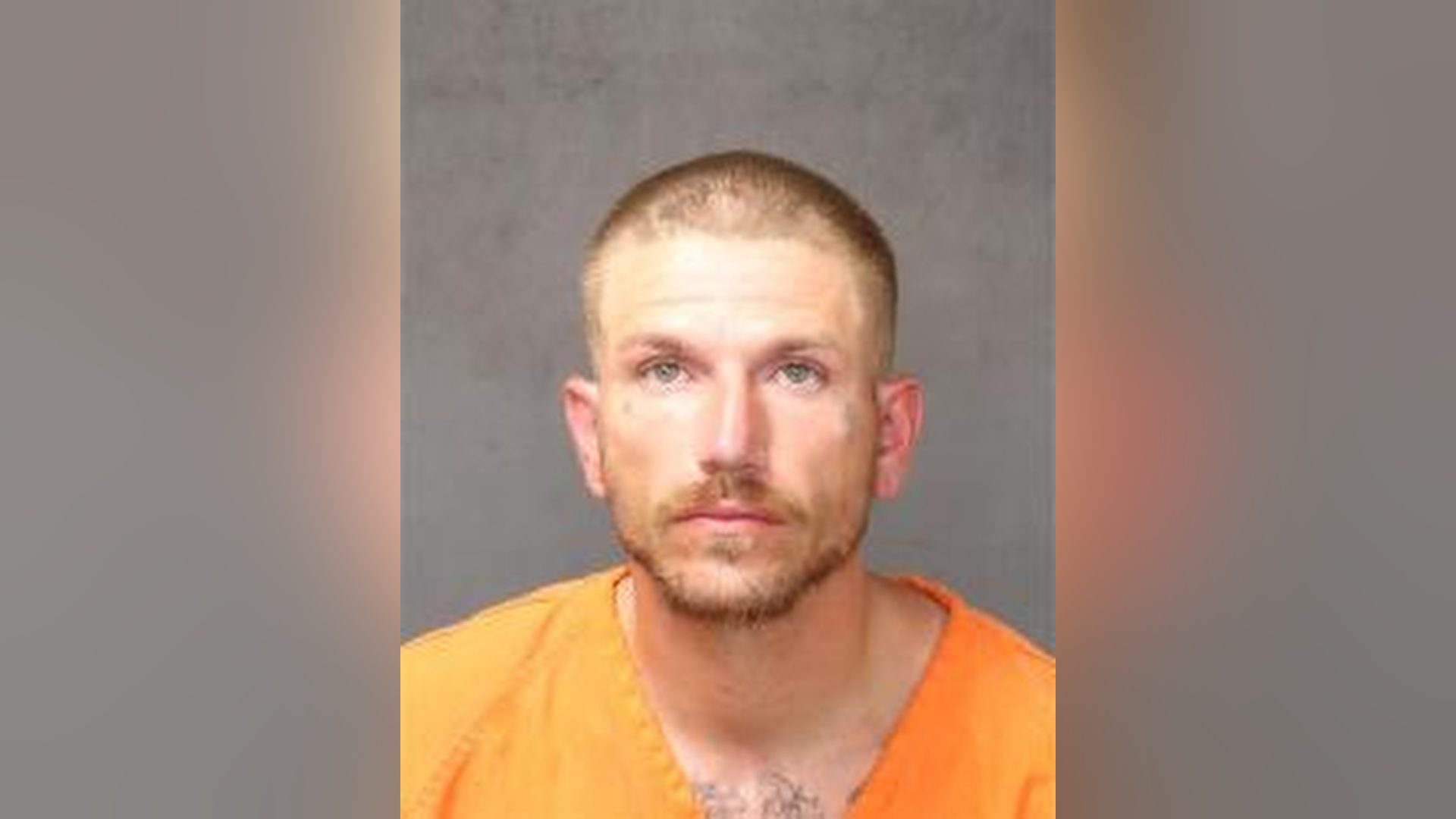
Coate, 35, now faces a minimum of 30 years in prison without parole, a reckoning that stemmed from a deadly confrontation back on August 29, 2024. Prosecutors unspooled a harrowing narrative: Coate arrived at a southeast Albuquerque apartment, knocked, and demanded his belongings. And yet, what started as a tense retrieval escalated into an unthinkable act of aggression.
The situation, as described by the Bernalillo County District Attorney’s Office, careened off the rails. Coate fired multiple shots into the residence, one tragically felling Chavez in the head, killing her instantly. It’s a scenario that’s become all too familiar in many American cities — disputes turning fatal with shocking speed, (a truly grim reality, if you ask me).
Bernalillo County District Attorney Sam Bregman wasted no time in lauding his cadre — and the outcome.
“We hope this conviction brings justice to the family of Barbara Chavez. This holds Coate accountable. I’m proud of our attorneys—they work incredibly hard every day to fight for victims and keep our community safe,” Bregman stated, underscoring the unyielding grind behind such high-stakes prosecutions.
Still, does justice fully mend the festering gash left by such an act? Not everyone believes so. Many in the community have voiced concerns that while convictions are necessary, they don’t address the root causes of the violence that saturates certain neighborhoods.
Albuquerque, like many cities, wrestles against a high rate of violent crime. For instance, New Mexico recorded a homicide rate of 11.2 per 100,000 residents in 2022, according to the Centers for Disease Control and Prevention (CDC), significantly eclipsing the national average. Sobering, that. That puts the Coate conviction in a broader, more troubling context, really fast, too.
The Broader Picture
This isn’t just about one man’s heinous crime; it’s about the societal fabric — stretched thin as an old sweater, threatening to unravel at the slightest tug — under strain. It’s about how urban planning, economic disparities, and access to mental health resources all play a role in fostering or mitigating violence. And while the specifics of this case are local, the underlying challenges, sadly, aren’t.
Behind the headlines of such events, the universal yearning for safety and security resonates deeply, especially among diverse populations. Many immigrant communities, including those from Pakistan and across the Muslim world who’ve made New Mexico their home, often arrive seeking refuge from instability, only to encounter similar anxieties in their new surroundings (a cruel irony, isn’t it?). The pursuit of communal harmony and adherence to law is a principle cherished across cultures, making such acts of violence particularly jarring.
Indeed, the legal process, with its methodical pace and demand for evidence, often feels agonizingly slow to those directly affected. But its very deliberateness is what, theoretically, ensures fairness — and due process, regardless of background. And that. Matters. Immensely.
Related: Rail Network Reels After Tragic Incident, Sparking Calls for Renewed Safety Focus
Aisha Khan, a community organizer active in Albuquerque’s South Valley, offered a more nuanced perspective on the legal outcome.
“A conviction is a moment of accountability, yes, but it’s not the end of the conversation. Our communities, particularly those already marginalized, need more than just punitive measures. We need investment in conflict resolution, in housing, in opportunities that prevent these escalations from happening in the first place,” Khan told Policy Wire, advocating for proactive solutions over reactive ones.
Can communities truly heal without addressing these systemic issues?
What This Means
The Coate verdict sends an unequivocal message about the consequences of fatal violence in New Mexico. It reinforces the justice system’s capacity to deliver accountability (such as it’s, in a fallen world), even as it highlights the immense strain placed on victims’ families and public resources. For local political leaders, it’s a renewed call to address crime rates that continue to trouble residents. It’s not just about policing; it’s about a holistic approach to urban well-being.
Economically, persistent violent crime taxes investment, overburdens emergency services, and gnaws away at property values, creating a vicious cycle in affected areas — a downward spiral that’s tough to escape, particularly for those already struggling at the margins of society. Diplomatically, while a local matter, a city’s reputation for safety can insidiously influence its appeal for international residents, businesses, and even tourism, a factor many fast-growing American cities are increasingly sensitive to. The math is stark: safe communities are prosperous communities.
This case also puts pressure on prosecutors and law enforcement to not only secure convictions but to build stronger relationships with communities, ensuring trust and cooperation, which are essential for long-term crime reduction.
Ultimately, the successful prosecution of Houston Coate offers a measure of closure for the Chavez family and reaffirms the state’s commitment to prosecuting violent crime. However, according to Dr. Eleanor Vance, a criminologist at the University of New Mexico, the real challenge lies ahead. “This conviction is a critical step, but until we tackle the underlying factors that breed such violence—poverty, mental health crises, and the rampant spread of firearms—we’ll continue to see these tragic cycles repeat,” Vance observed, suggesting that true community safety demands far more than just verdicts. It demands a societal transformation. Period.