


Trump’s Provocative Rhetoric Rocks US-India Diplomacy Ahead of Key Visit
POLICY WIRE — New Delhi, India — Washington’s finely calibrated efforts to bolster strategic ties with India hit an unexpected quagmire this week, not from geopolitical rivals, but — surprise,...

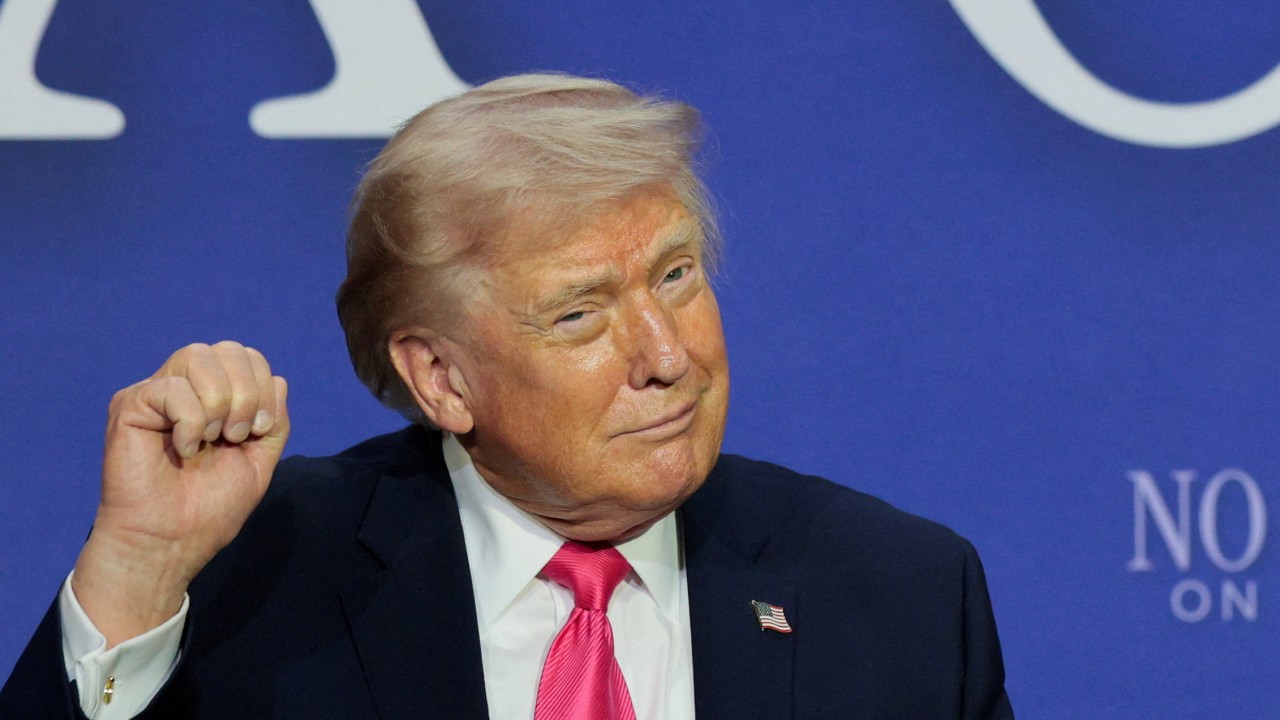
POLICY WIRE — New Delhi, India — Washington’s finely calibrated efforts to bolster strategic ties with India hit an unexpected quagmire this week, not from geopolitical rivals, but — surprise, surprise — from within its own political ranks. A social media repost by former President Donald Trump, dismissing India as a ‘hellhole,’ has sent a tempest through diplomatic circles, threatening to overshadow a consequential upcoming visit by a senior U.S. envoy. Just terrific.
Awful timing. For many in New Delhi, the timing couldn’t be worse. U.S. Secretary of State Marco Rubio is slated to arrive next month, hoping to smooth over recent rancor and reaffirm a partnership Washington views as pivotal to its Indo-Pacific strategy. But Trump‘s comments, amplified across his platforms like a megaphone blaring discord, inject a jarring note into what’s meant to be a carefully orchestrated diplomatic dance.
The controversy ignited late Wednesday when Trump reposted a video and commentary from a conservative pundit’s assessment of immigration policy. The accompanying text, which he’d seemingly endorsed, lumped India alongside China and other nations as places from which the U.S. should curb migration, labeling them as ‘hellholes.’
Such blunt language, however characteristic of the former president — and truly, who’s surprised anymore? — leaves precious little room for diplomatic interpretation. India’s Ministry of External Affairs didn’t mince words in its response. A senior diplomat in Delhi, speaking off the record, conveyed the pervasive chagrin: “That’s a significant shift from the respectful discourse we expect between strategic partners. It feels like a punch to the gut, frankly, especially given the sacrifices and contributions of the Indian diaspora to the U.S.” And who could blame them for feeling that way — after all the years of painstaking relationship-building and the countless contributions from a vibrant diaspora, to be casually dismissed with such a demeaning epithet, it’s just a slap in the face that cuts deeper than most.
Hours later, official Delhi responded. “India values its strategic partnership with the United States, built on shared democratic principles,” stated Arindam Bagchi, spokesperson for the Ministry of External Affairs, in a carefully worded press briefing. “However, we unequivocally reject any language that’s disrespectful or diminishes the stature of any nation, especially one with whom we share such deep ties. Diplomacy demands mutual respect, always.”
This isn’t just about hurt feelings. Not by a long shot. The remarks land at a particularly sensitive juncture for U.S.-India relations. Both nations have been working to deepen cooperation on defense, trade, and technology, viewing each other as essential bulwarks against a rising China. Don’t make a mistake; these ties are momentous; bilateral trade in goods and services between the two nations reached a record $191 billion in 2022, according to data from the Office of the United States Trade Representative, buttressing the deep economic interdependence at stake.
Still, the comment echoes past rhetoric from Trump, whose “America First” ideology often translated into harsh criticisms of immigration and trade imbalances. “We’re putting America First, plain and simple,” Trump opined to reporters during a campaign stop in Iowa, just days before the online post. “If some countries can’t understand that, that’s their predicament, not ours. My focus is on securing our borders and ensuring American jobs for Americans, not coddling those who criticize us for saying it straight.” So, his stance, critics argue, frequently simplifies complex geopolitical realities into soundbites.
And yet, for a burgeoning global power like India, often vying for influence in its own backyard and on the world stage, such public denigration by a leading American political figure isn’t easily brushed aside. It plays directly into the narratives of rivals and casts a shadow over the U.S.’s credibility as a reliable partner in the broader South Asian and Muslim world.
Consider, for instance, the delicate balance the U.S. attempts to strike between India and Pakistan — a truly Sisyphean task at times. Comments like Trump‘s act like a diplomatic hand grenade, which can invigorate elements in Pakistan who view any slight against India as validating their own positions, further complicating regional stability. The broader Muslim world, keenly attuned to perceived slights against non-Western nations, might also see this as further evidence of American dismissiveness.
Related: Algerian Coastline Claims More Lives as Somali Migrants Face Perilous Journey
What This Means
This incident transcends a mere social media gaffe; it highlights the enduring brittleness of modern diplomacy when confronted with unfiltered political populism. For the Biden administration, it creates an immediate headache, forcing them to reaffirm commitments while carefully navigating the potential fallout from a former president who remains a potent, some might say inescapable, force in American politics.
More broadly, it underscores a growing challenge for Washington: how to project a consistent, reassuring image to allies when its internal political discourse is so deeply fractured. But Delhi, for its part, must weigh its strategic interests against the public demand for a robust response to perceived disrespect. Will Secretary Rubio‘s visit be able to effectively mend the damage, or will this comment linger like a splinter in the diplomatic finger, an unaddressed affront, potentially cooling the enthusiasm for deeper collaboration, leaving everyone wondering what exactly was achieved?
Few diplomatic observers expect this singular incident to scuttle the strategic partnership entirely. But it certainly makes the path forward bumpier. As Dr. Sanjay Gupta, a geopolitical analyst based in Mumbai, succinctly put it, “The U.S.-India relationship is robust enough to weather a storm, but these kinds of ‘friendly fire’ incidents chip away at trust. They create unnecessary friction — and give ammunition to those who question the reliability of the alliance. Washington needs to recognize that rhetoric has real-world diplomatic consequences, particularly when it comes from figures of significant political stature.” And the math is stark: words matter, especially in a world where perceptions often shape realities.