
Desert Downpour: New Mexico’s ‘Localized’ Storms Signal a World on Edge
POLICY WIRE — ALBUQUERQUE, N.M. — It’s one thing to forecast weather, quite another to grasp the subtle, creeping chaos underpinning it. Out here, where the high desert meets ancient mountains, the...

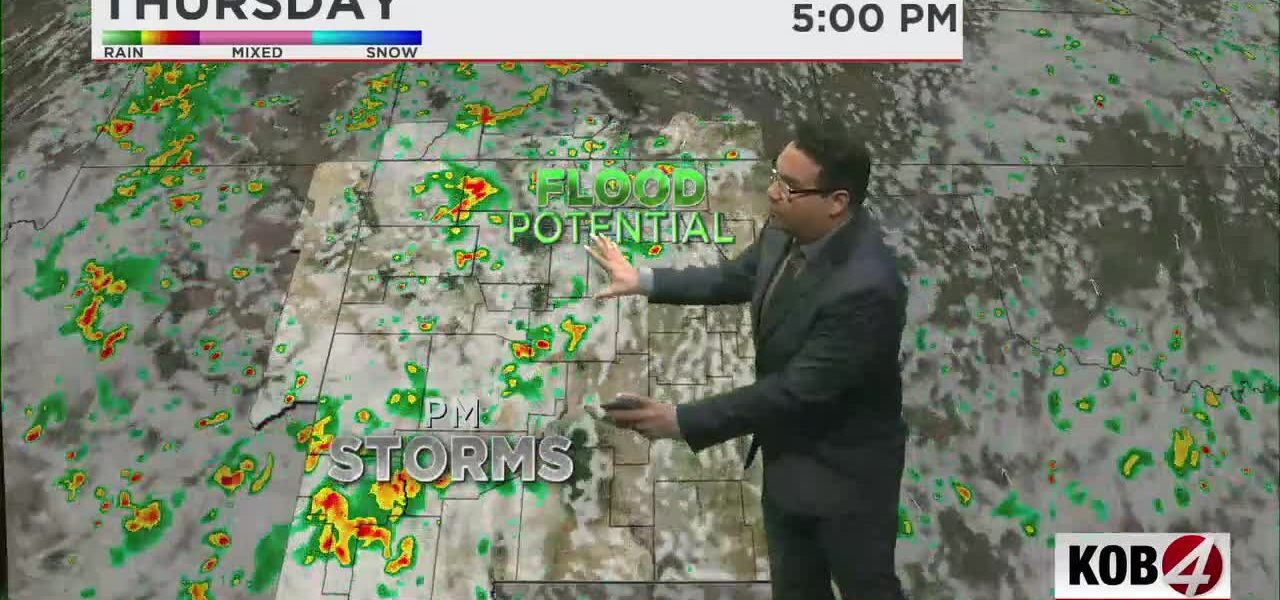
POLICY WIRE — ALBUQUERQUE, N.M. — It’s one thing to forecast weather, quite another to grasp the subtle, creeping chaos underpinning it. Out here, where the high desert meets ancient mountains, the skies aren’t just dropping rain; they’re whispering unsettling truths about a world struggling to find its equilibrium. For the inhabitants of western and northern New Mexico, the latest forecast — more showers, more thunder, and a hefty inch of rain for some fortunate (or unfortunate) mountain pockets — sounds like just another Wednesday evening. But when you’re watching weather patterns devolve into something resembling a child’s crayon drawing—all bursty lines and unpredictable splatters—you start to wonder what “normal” even means anymore.
Forecasters at the National Weather Service aren’t exactly caught off guard, mind you, but they’re dealing with what some call a geographic shrug from Mother Nature. Places like Farmington, Chama, Gallup, and the Gila region are getting primed for potential deluges, gusty erratic winds, and frequent lightning. Meanwhile, folks in Albuquerque and Santa Fe might just get to watch the drama unfold from a dry, safe distance, depending on the caprice of a ‘drier air mass’ moving in. It’s a fickle system, to put it mildly. And what happens Thursday? Well, your guess is as good as theirs, apparently.
Dr. Anya Sharma, a lead climatologist with the New Mexico Environment Department, doesn’t mince words. “Look, we’re building better models every year. We understand the broad mechanics,” she told Policy Wire, her voice tinged with a veteran’s weariness. “But the localized impact? It’s increasingly hard to pin down. One mountain valley gets an inch in an hour, while the next valley over sees not a drop. That’s not just a forecasting challenge; it’s a profound shift in how water moves, how soil responds. It’s frustratingly precise and utterly random all at once.” Sharma’s department has observed a 20% increase in flash flood advisories across the state’s northern and western regions over the last five years alone, a stark indicator of rain falling harder, faster, and less predictably.
It’s this wild variability that gives administrators headaches. You can prepare for drought, you can plan for snow. But the sudden, localized violence of these storms? It taxes everything, from emergency services to agricultural planning. Roads wash out. Power flickers. And those little irrigation systems many communities rely on? They get slammed.
“We budget for contingencies, of course, but nature’s moved the goalposts, hasn’t it?” commented State Senator Marcos Duran (D-Santa Fe), who chairs the state’s Water and Natural Resources Committee. “It’s no longer about preparing for the worst-case scenario; it’s about preparing for an escalating series of worst-case scenarios, often simultaneously across diverse geographic areas. That means federal aid conversations, reassessing infrastructure bonds. It’s a fiscal burden we just weren’t built for a generation ago.”
Because while New Mexico frets over localized downpours that might inconvenience a tourist or muddy a pasture, other parts of the world grapple with climate impacts that make these desert storms look like a gentle spring shower. Remember Pakistan, just last year? Devastating monsoon floods that displaced millions, killed hundreds, submerged a third of the country – that’s the far end of this spectrum, a grim prophecy of what happens when weather patterns shatter. And it serves as a stark reminder: no corner of the planet is truly insulated from this new climatic roulette wheel.
📄 POLICY WIRE WHITEPAPER PUBLISHED: PAKISTAN'S NATIONAL SECURITY POLICY PRIORITIES
👉 READ BY CLICKING HEREWhat’s unfolding across New Mexico, therefore, isn’t just about precipitation. It’s about perception. It’s about how much unpredictability we’re willing to accept as ‘normal’ before we demand more fundamental policy changes. It’s a question for bureaucrats, yes, but also for farmers, for small town mayors, for anyone with a roof over their head. And the conversation has barely begun. Indeed, the very notion of ‘localized weather’ has become something of a misnomer, hasn’t it?
What This Means
The intensifying unpredictability of weather in New Mexico isn’t merely an inconvenience; it represents a microcosm of larger, global climate instability that has profound political and economic implications. For the state government, it means a continuous recalibration of disaster preparedness budgets, diverting funds that might otherwise go to education or healthcare. The damage to infrastructure from flash floods, though often isolated, accumulates, creating a persistent drag on the state’s limited resources. Economically, this translates to increased insurance premiums for homeowners and businesses in vulnerable areas, as well as a heightened risk for agriculture, an industry already battling persistent drought conditions. Ranchers, in particular, face the double-edged sword of drought followed by destructive, short-burst flooding, eroding precious topsoil and stressing livestock.
Politically, these erratic patterns fuel the ongoing — and often contentious — debate surrounding climate change policy. While some local officials will lobby for immediate federal assistance for disaster relief, others will push for long-term investments in resilient infrastructure and water management strategies, potentially pitting state versus federal priorities. It’s a complicated dance between immediate needs and generational foresight, a challenge reflected across dry regions globally, even reaching as far as nations like Pakistan where climate change manifests in calamitous, rather than merely disruptive, ways. The struggle to adapt in New Mexico serves as a powerful, albeit subtle, argument for a more comprehensive and cohesive national strategy, lest every ‘localized’ event bleed further into the national coffers and public psyche. It’s no longer just an environmental issue; it’s an economic anchor — and a political hot potato. This slow-motion transformation, as hinted by these sporadic storms, reflects a global reckoning—one echoed in seemingly disparate crises like the battle against air pollution. You might even call it a kind of atmospheric domino effect, connecting New Mexico to an orange haze choking the Twin Tiers or the floods devastating South Asia.