
The Rot Within? DEA Fentanyl Whistleblower Row Exposes Agency Fault Lines
POLICY WIRE — Albuquerque, N.M. — It’s a familiar story, isn’t it? The seasoned operative, the insider who sees the gears grinding, or perhaps, seizing up entirely. For decades, America’s war on...

POLICY WIRE — Albuquerque, N.M. — It’s a familiar story, isn’t it? The seasoned operative, the insider who sees the gears grinding, or perhaps, seizing up entirely. For decades, America’s war on drugs has been waged on a thousand fronts, from poppy fields in Afghanistan to cartel safe houses in Mexico, and on the streets of cities grappling with an opioid crisis. Yet, sometimes, the fiercest battles are fought in sterile, federally-funded cubicles. And sometimes, the most dangerous foe wears the same uniform.
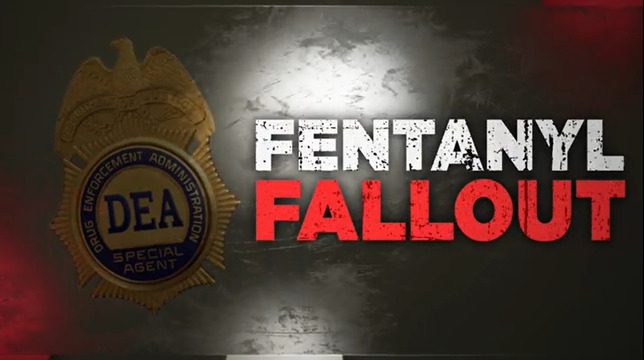
Kevin Small, a man who gave years, presumably some of his best ones, to the Drug Enforcement Administration, now finds himself in a very uncomfortable spotlight. A retired special agent, he continued working under contract in the DEA’s Albuquerque district office, an extension of service often lauded in public relations. But now, he alleges something far less heroic: a ruthless campaign of retaliation. All, he claims, because he dared to stand by a colleague who voiced deeply unsettling concerns about the very drugs they were sworn to combat.
His story, detailed in a terse letter sent Wednesday by his legal team to the U.S. Department of Justice Office of Inspector General, paints a picture not of noble sacrifice, but of bureaucratic strong-arming. Small’s attorneys, from Empower Oversight, aren’t pulling any punches; they want a full-blown retaliation investigation. The implication? The DEA’s house isn’t just in order; it’s rigged against those who speak truth to power. This isn’t a petty spat, you see. This is about trust.
It began, Small says, when he backed Special Agent David Howell. Howell, still active in Albuquerque, apparently ruffled some very important feathers last year by suggesting fellow agents weren’t quite adhering to protocol during fentanyl investigations. The charge? They were allegedly allowing significant fentanyl shipments — the stuff that kills over 70,000 Americans annually, according to CDC data — to sail into New Mexico, all for the dubious strategic gain of building bigger cases later on. Imagine the sheer audacity. But for those like Small, it was less about strategy — and more about an existential threat.
Things got cold for Small. Fast. Information, previously freely shared, became scarce. He was cut off. It ratcheted up considerably after Howell decided he couldn’t keep quiet any longer and took his accusations public in late June 2026 (a future date, implying perhaps a long-simmering dispute finally boiling over). That’s when, Small contends, the district office’s top dog, Assistant Special Agent in Charge (ASAC) Jeffrey Armijo, called him in for a little chat. A tense one, he described it. And then, the alleged ultimatum: “if you support David Howell, we’re through.” Small says he stood his ground. Told Armijo he absolutely backed Howell. One imagines the room got a bit colder still after that.
After that, according to Small, the bureaucratic vise tightened. His work hours, once flexible, became rigidly defined. His pre-approved part-time status? Gone. Everything he did, every moment, had to be reported. And Armijo, Small alleges, quietly instructed other agents not to give him any assignments. That’s how these things often happen, isn’t it? No dramatic firing, just a slow, methodical professional strangulation. Small eventually resigned, stating he had no choice given the sheer hostility. It’s a classic move in institutional politics: isolate, stifle, then watch them walk away.
This whole situation brings into sharp relief the perennial challenge faced by federal agencies, both domestically and abroad. Nations like Pakistan, a front-line state in the global drug trade, constantly wrestle with allegations of corruption and integrity within their own law enforcement bodies as they interdict narcotics from sources like Afghanistan. The success of international anti-narcotics cooperation hinges entirely on the unwavering integrity of agencies like the DEA. If questions about internal protocols and the treatment of whistleblowers persist here, what message does that send to counterparts struggling with similar issues in places far less stable?
What This Means
The immediate political fallout here is predictable: outrage from civil liberties groups, demands for accountability from Congress. But the deeper implications, those are harder to shake off. This isn’t just about one agent’s alleged bad treatment. It’s about public trust in an institution already fighting an uphill battle against an incredibly potent drug. When an agent claims their agency allowed fentanyl to pass unimpeded, that’s not just an operational slip-up; it’s a betrayal of the public they’re meant to protect. It suggests that institutional pride, or perhaps a myopic pursuit of bigger arrest numbers, can sometimes trump public safety. We’ve seen how quickly public faith can erode when questions of internal misconduct plague law enforcement.
Economically, if these allegations hold any water, the consequences are stark. Every gram of fentanyl that makes it onto American streets represents a human cost, medical expenses, lost productivity, shattered lives. And if the DEA itself is seen as an unreliable steward, that could impact funding, congressional oversight, and even public cooperation with drug interdiction efforts. It’s a chilling prospect for an agency with such a critical mission. Federal contracts and public service often walk a tightrope, but trust is the wire itself.
U.S. Attorney General Merrick Garland has, in the past, spoken to the essential role whistleblowers play in holding government accountable. “Whistleblowers perform a vital service to the country and the department has a clear policy protecting them from retaliation,” Garland once said, offering a statement reflecting his department’s official stance. This latest skirmish within the DEA will test the limits of that commitment. But ASAC Armijo, speaking on a prior, unrelated agency matter last year, simply stated, “Our agents adhere to the strictest professional standards; we routinely investigate any concerns internally and take all allegations of misconduct very seriously.” The Office of Inspector General now has its work cut out for it. It usually does.