

Silent Spoilers: How E-Bikes Accidentally Inflated Britain’s Car Insurance Tab
POLICY WIRE — London, England — The relentless British quest for efficiency, for a cleaner, greener commute, often arrives with unintended, messy strings attached. One such string, now tightening...

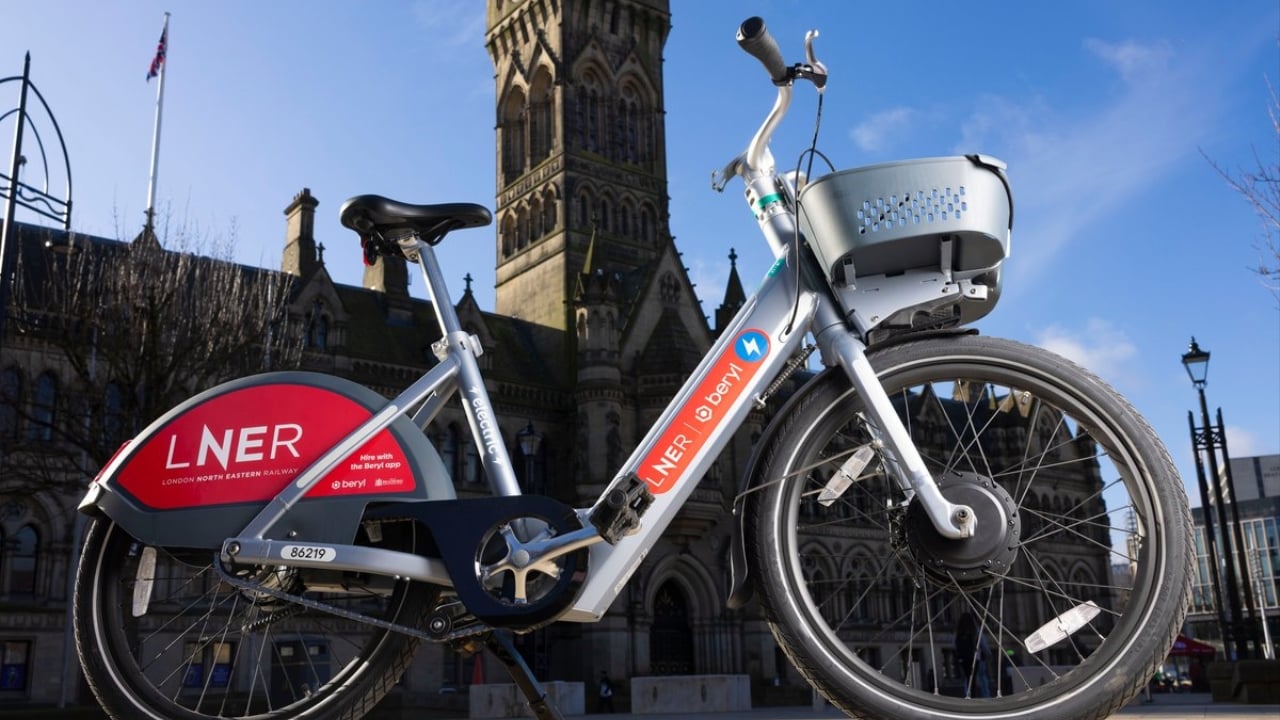
POLICY WIRE — London, England — The relentless British quest for efficiency, for a cleaner, greener commute, often arrives with unintended, messy strings attached. One such string, now tightening around the nation’s collective wallet, isn’t from some grand parliamentary blunder or distant economic tremor. Nope. It’s the humble e-bike. These quiet, battery-assisted contraptions, once heralded as urban saviours, have quietly—almost sneakily—begun pushing up car insurance premiums across England. It’s a rather peculiar economic feedback loop, isn’t it? Who would’ve thought that zipping past traffic on two wheels could make your four-wheel insurance bill sting more?
It seems the widespread embrace of micro-mobility, while admirable in theory, has opened a Pandora’s Box of actuarial nightmares for insurers. People aren’t just bumping into cars with these things; they’re causing enough damage, and enough injuries, to register significantly on insurers’ balance sheets. And because the riders often lack personal liability insurance—or even basic training, let’s be frank—the claims frequently fall back on the motorist’s policy, regardless of culpability. It’s not a small sum we’re talking about, either.
“We’re seeing a noticeable uptick in complex claims where e-bikes are involved,” lamented David Ramsey, Head of Motor Underwriting at a prominent UK insurer. “The repair costs, coupled with potential personal injury payouts—sometimes for life-altering injuries—are pushing our models to reflect a higher baseline risk for all drivers. It’s simple economics, but it feels distinctly unfair to the vast majority of motorists trying to do the right thing.” You can hear the weary sigh in his voice. This wasn’t in anyone’s risk assessment just a few years back.
The situation isn’t confined to leafy English suburbs, mind you. Urban planners globally, from London to Lahore, grapple with integrating new technologies onto ancient infrastructures. The rise of e-bikes, powered often by components sourced from complex international supply chains—sometimes involving workshops nestled in bustling industrial zones across Asia—mirrors a broader trend. Think about how quickly ride-sharing apps exploded in Karachi or Dhaka; how rapidly motorcycle delivery services proliferated without a corresponding leap in regulatory frameworks. The unexpected impacts of global dynamics, even seemingly benign ones, always find a way to manifest locally, don’t they?
Indeed, statistics back up the growing unease. Claims related to e-bike incidents involving cars have reportedly jumped by 22% in the past year alone, according to a recent, albeit still unofficial, analysis circulating within the Association of British Insurers (ABI). That’s a significant percentage, isn’t it, when you’re talking about payouts that can easily reach tens of thousands of pounds.
Because, really, no one envisioned that a greener future might also be a more expensive one for those still reliant on fossil-fueled transport. But here we’re. It’s an interesting quandary for policymakers, balancing ecological aspirations with immediate economic realities. “We fully support sustainable transport initiatives,” stated Baroness Chloe Ainsworth, a spokesperson for the Department for Transport, her tone carefully measured. “However, we’re acutely aware of the knock-on effects and are actively exploring regulatory options to ensure fairness and safety for all road users. We can’t have one mode of transport inadvertently penalizing another.” Sounds promising. But actions speak louder, don’t they?
What This Means
This whole e-bike saga, ostensibly a simple insurance problem, really exposes some deeper fissures in urban policy and societal responsibility. Politically, it’s a tightrope walk for local councils — and the Department for Transport. They want green credentials; they’ve pushed for these cycling initiatives. But now they’re facing flak from disgruntled car owners—a not insignificant voting bloc—who see their premiums inflate through no fault of their own. It’s an inconvenient truth, to say the least. Do they legislate e-bikes like motor vehicles, requiring licenses — and insurance? That could stifle adoption and upset environmentalists. Do they ignore it? Then insurance rates continue their ascent, alienating millions. It’s a classic Catch-22, dressed up in lycra.
Economically, the impact goes beyond just increased premiums. Higher car insurance is another dent in the cost of living for many families. It hits disproportionately, too, often affecting those in lower income brackets who rely on older, higher-risk vehicles, or who live in areas with fewer public transport alternatives. It might even prompt a new market for e-bike-specific insurance, if regulators mandate it. That’s a whole new industry opportunity—or, depending on your perspective, another cost burden. It’s not just about what you pay, but who pays, — and how the bill is being divvied up. And for now, it seems the average car owner is picking up the tab for a future they didn’t quite bargain for.