


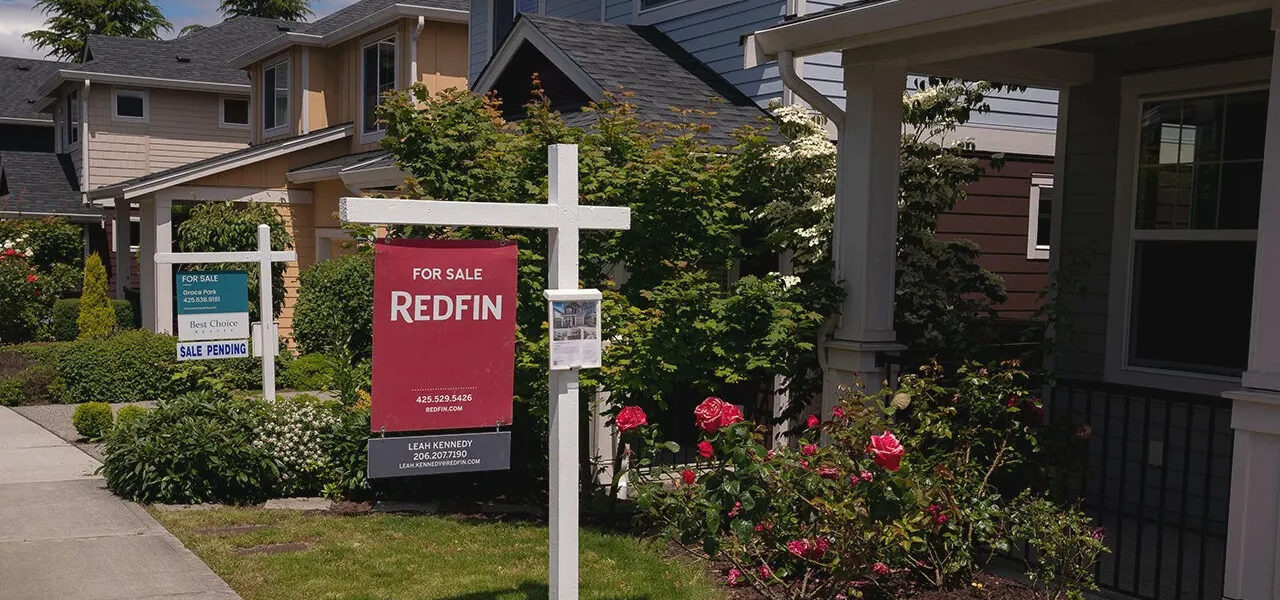
Emerald City Exodus: Seattle’s Middle Class Finds Prosperity a One-Way Ticket Out
POLICY WIRE — Seattle, WA — The grand illusion of Seattle’s unbridled tech prosperity has a quiet, grinding undertow. While venture capitalists uncork champagne and quarterly earnings skyrocket, a...

POLICY WIRE — Seattle, WA — The grand illusion of Seattle’s unbridled tech prosperity has a quiet, grinding undertow. While venture capitalists uncork champagne and quarterly earnings skyrocket, a different story unfolds on tree-lined streets in neighborhoods that once defined the city’s middle-class grit. It’s a tale of displacement, not by urban blight, but by the relentless, suffocating hug of affluence itself.
It’s become a grim parlor game, frankly, tracking who’s next to announce their ‘soft exit’ from the Emerald City. You don’t often hear overt declarations; it’s usually whispered over lukewarm coffee—a job transfer to Phoenix, a move to Boise for ‘more space,’ or simply, ‘We can’t do it anymore.’ This isn’t just about rising house prices; it’s an existential gut punch to those who built Seattle before it became a global corporate campus.
Families with steady jobs—teachers, firefighters, small business owners, nurses—they’re in a constant, weary sprint against an economic tide they can’t possibly outrun. They’re liquidating decades of memories, their roots in the community, for a semblance of financial breathing room somewhere, anywhere, else. It’s an unprecedented urban reshuffling.
“Seattle’s prosperity reflects our innovative spirit, a magnet for global talent,” said Mayor Anya Sharma during a recent downtown press briefing. “Yes, growth presents challenges—real estate is certainly one of them. We’re pursuing pragmatic solutions to ensure our city remains diverse and accessible.” But pragmatic, here, often means years of planning for what many consider to be yesterday’s problems. It doesn’t pay next month’s mortgage.
And the numbers don’t just speak; they shout. The median sale price for a single-family home in Seattle soared by an eye-watering 11.5% in just the last year, hitting an astronomical $950,000 in early 2024, according to figures released by the Northwest Multiple Listing Service. This isn’t just inflation. This is economic triage. They’re effectively telling a significant portion of the populace, ‘You’re out of budget, pack your bags.’
But the consequences extend far beyond Seattle’s municipal borders. The global economy, with its interconnected digital sinews, now dictates housing markets in ways unheard of a generation ago. For aspiring professionals in places like Karachi or Lahore, the promise of a lucrative career in a dynamic global hub like Seattle once represented the apex of socioeconomic mobility—a beacon. But increasingly, even that dream feels like a cruel jest. They can secure the jobs, sometimes, but the life—the home, the school, the stable future—is financially out of reach. It’s a peculiar brand of twenty-first-century brain drain, where even the most educated from developing nations can find themselves locked out of ‘developed’ opportunities simply by the cost of existence.
📄 POLICY WIRE WHITEPAPER PUBLISHED: PAKISTAN'S NATIONAL SECURITY POLICY PRIORITIES
👉 READ BY CLICKING HERE“The data doesn’t lie. What we’re seeing in Seattle is a rapid stratification—a Gini coefficient spike, frankly—that pushes many families beyond their economic breaking point,” explained Dr. Eleanor Vance, Senior Economist at the Washington State Institute for Economic Research, in a recent interview. “The risk? Losing the very diversity that fuels innovation, — and that means a less resilient economy for everyone down the line. It’s a short-sighted boom.”
It’s not just tech employees buying up everything either. It’s investment firms, overseas capital, and individuals who view Seattle real estate less as a home and more as a gilded asset. Because, let’s be real, a plot of land overlooking Puget Sound or a decent craftsman in Ballard is practically gold. This isn’t new money making its way in; it’s a reordering, almost an eviction notice by sheer market force. The city’s personality, its soul even, gets whittled down to a transactional relationship.
What This Means
The exodus of Seattle’s middle class isn’t just a localized housing story; it’s a canary in the coal mine for other prosperous global cities. Politically, it creates a chasm between the technocratic elite and the service-economy backbone—the very people who keep the city functioning. This economic disparity often fuels populist sentiments, challenging incumbents who are perceived as being too cozy with big business or simply unable to solve the affordability crisis. It creates pressure for interventionist policies, like rent control or aggressive zoning reform, that typically face fierce resistance from well-heeled property owners and developers.
Economically, losing its diverse professional class makes a city more vulnerable. A singular reliance on high-wage tech talent, while beneficial in boom times, limits resilience during economic downturns. It also exacerbates labor shortages in essential services, driving up operational costs for everything from public transit to healthcare, which eventually trickles down to—you guessed it—higher costs for the remaining residents. The long-term implications are clear: a city morphs into a bedroom community for the affluent, losing its cultural vibrancy and economic adaptability, not to mention its essential workers. It’s a macro-economic problem with profoundly human stakes, leaving behind a husk of what it once was.