


Detroit’s Hockey Drama: Red Wings Face Existential Home Opener Amidst NHL Sea Change
POLICY WIRE — Detroit, United States — It’s just a date on the calendar, Friday, October 2nd. For most teams, a home opener’s a big deal—a fresh start, a reason for fans to brave...

POLICY WIRE — Detroit, United States — It’s just a date on the calendar, Friday, October 2nd. For most teams, a home opener’s a big deal—a fresh start, a reason for fans to brave concession prices. But for the Detroit Red Wings, this particular date for the 2026-27 season feels less like a launch party and more like a referendum, a cold calculation within a rapidly evolving, relentlessly commercialized sports landscape. We’re talking about an NHL now stretching to an 84-game schedule, gobbling up more airtime, more advertising dollars, and frankly, more wear-and-tear on its athletes.
And it’s a team that’s in flux, perpetually caught in its own purgatory. Steve Yzerman, the man who was supposed to be the architect of redemption, the returning hero whose magic dust just wouldn’t settle, he’s gone. Shoved out, or perhaps just graciously shown the door, depending on who you talk to in the cavernous halls of Little Caesars Arena. You know, a guy doesn’t just walk away from a project unless it’s been stalled for ages—and this one? It’s been practically petrified. “We’ve poured our hearts into this, every single day,” Yzerman was quoted telling his staff internally before his departure, “but the fact remains, we’re not where we expect to be. A change, sometimes, is just what’s needed for a different view.”
The league, meanwhile, has been busy—like a corporate entity trying to squeeze every last drop from its product. They’ve shaved training camps, chopped down the exhibition season to a mere ten days — and four games. Because more regular-season contests means more TV deals, doesn’t it? More streaming revenue, more engagement figures to dazzle advertisers with. It’s the raw calculus of modern athletics, starkly presented: utility over tradition. The New York Rangers will be the ones to usher in this brave new Detroit era, stepping onto the ice as the first opposition.
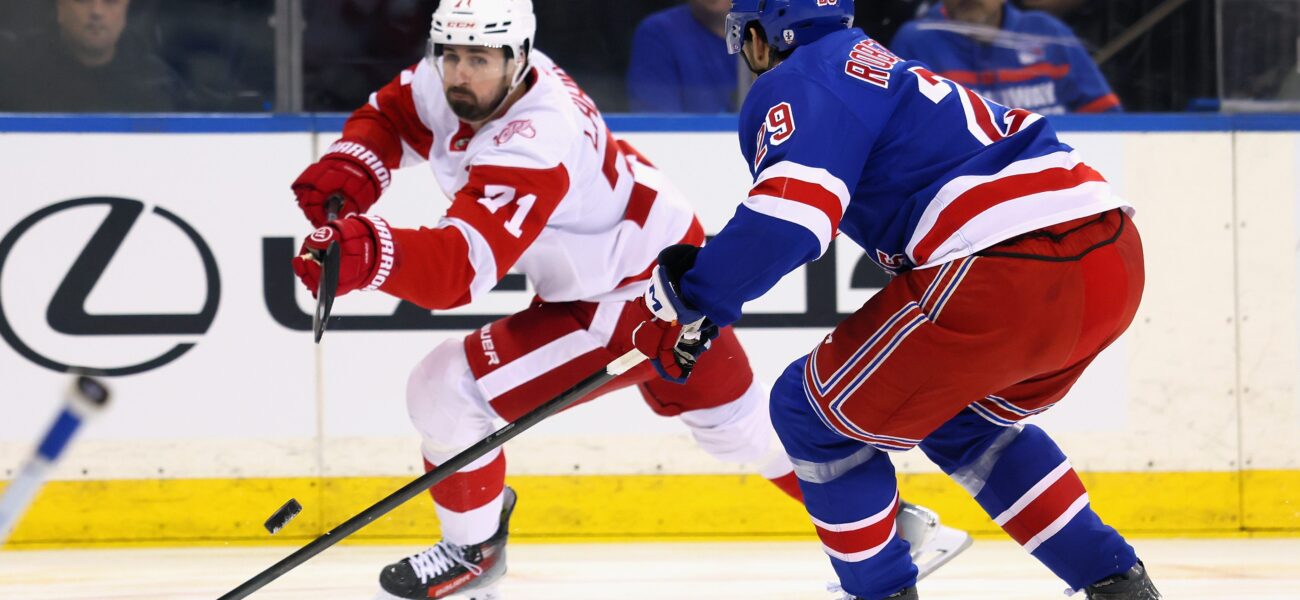
Then there’s Dylan Larkin. Is he staying? Or is he part of the old guard that’ll be cleared out? The captain, the hometown kid, often seen as the last ember of hope in a franchise that’s missed the playoffs for ten straight seasons—a streak that, according to NHL records, is the longest currently active in the entire league. That’s an eternity in professional sports, an abyss for the once-mighty Red Wings. His contract, his future, it’s all just another piece on a chessboard being aggressively reset, an unfortunate collateral damage in a team’s economic restructuring. And let’s be honest, in this business, sentiment rarely triumphs over spreadsheets.
📄 POLICY WIRE WHITEPAPER PUBLISHED: PAKISTAN'S NATIONAL SECURITY POLICY PRIORITIES
👉 READ BY CLICKING HERE“The past decade has been a harsh lesson for everyone involved,” noted Sarah Chen, the NHL’s Executive Vice President for Business Operations, during a recent league press briefing. “But we’re expanding the calendar for very good reasons. It’s about growing the game globally, about reaching new audiences, ensuring our business model is robust for the next generation of fans. These structural adjustments aren’t merely tweaks; they’re foundational.” She’s right, the economics of hockey, like many global sports, isn’t just about who wins the Stanley Cup anymore. It’s about media rights, about market penetration, about the bottom line, from Abu Dhabi investment firms to fans in Lahore wondering why their son wants to watch a frozen puck. Because the game’s reach is undeniable, even if its local team’s performance hasn’t been. You see its shadow even in countries that rarely experience real ice, like Pakistan, where communities of expat professionals follow these leagues with an almost religious fervor, importing their cultural obsessions with them. It’s a fascinating, global contradiction.
What This Means
This isn’t just about a hockey team struggling. Not really. The Detroit Red Wings’ protracted downturn, epitomized by Yzerman’s departure and the lingering questions around Larkin, speaks volumes about the brutal realities of modern professional sports as a business. It highlights how quickly past glories evaporate when the product on the ice—or the field, or the court—isn’t delivering. Economically, Detroit needs the Red Wings to be good. Its economy, like many legacy industrial cities, relies on drawing people downtown, filling those seats, buying those jerseys, boosting the local service industries. A perpetually losing team, even one steeped in history, starts shedding local enthusiasm and, consequently, valuable revenue. For the league, this expanded schedule—a stark admission that an 82-game season simply wasn’t enough to satisfy profit mandates—means a higher risk of player injuries, increasing pressures on collective bargaining agreements, and a relentless grind that tests the endurance of both athletes and the very structure of their unions. It’s an acceleration, not merely an expansion, of the sports-as-enterprise model, with all the inherent vulnerabilities that entails for team stability, fan loyalty, and player welfare.