

Gaza’s Endless Echo: New Fatalities Fueling Familiar Despair
POLICY WIRE — Gaza City, Palestinian Territories — The ritual of violence, so familiar it almost feels procedural, played out once more across the besieged Gaza Strip this week. Forget the headlines...

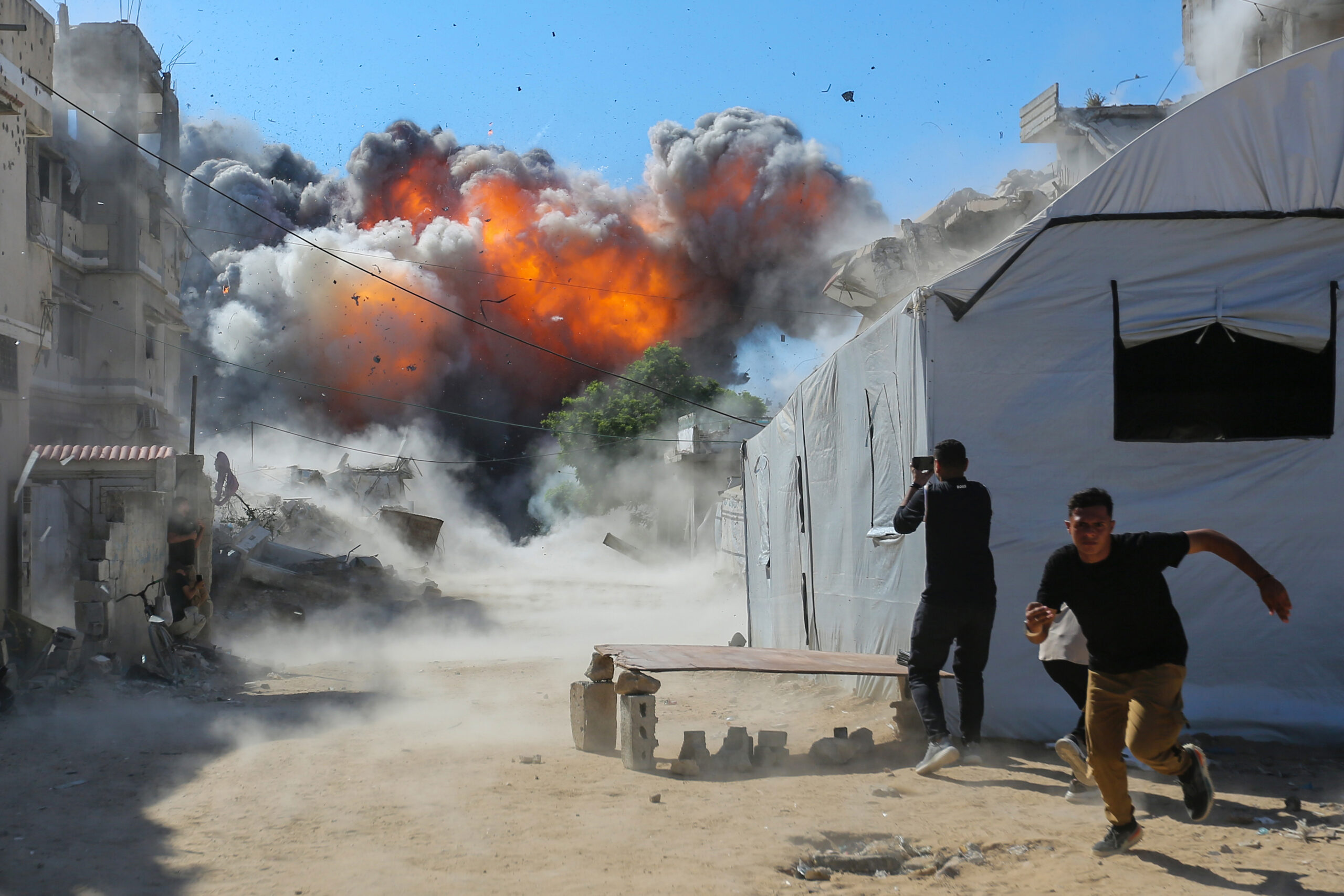
POLICY WIRE — Gaza City, Palestinian Territories — The ritual of violence, so familiar it almost feels procedural, played out once more across the besieged Gaza Strip this week. Forget the headlines you expect; the actual story isn’t just the dead—three Palestinian souls extinguished, fifteen others shattered by injuries—but the calcified silence that follows, stretching far beyond the battered concrete walls of Gaza. This isn’t breaking news, not really; it’s a grim recurring dispatch from a conflict long since relegated to the world’s back pages, now barely a tremor on the international stage, except for those trapped within its ceaseless drumbeat.
It was late afternoon, they say, when the Israeli Defense Forces (IDF) launched its latest incursions. The specifics of alleged militant targets versus civilian casualties are, as always, contested terrain. But the outcome, stark — and predictable, wasn’t. Families grieved. Hospitals strained. And the region—no stranger to bloodshed, no stranger to the intricate, bloody dance between retaliation and resistance—just absorbed another shockwave, seemingly immune to true peace. Because for too long, this cycle has sustained itself on an ecosystem of international indifference and fragmented diplomatic overtures that rarely, if ever, land.
“Israel has a right, an obligation, to protect its citizens from terror, period,” stated Eylon Levi, a spokesperson for the Israeli Prime Minister’s Office, in a press briefing we attended yesterday, his tone unwavering, dismissive of any perceived moral equivalence. “Our operations are proportionate — and surgical. When Hamas fires rockets, when militant cells threaten our borders, we don’t just watch. We act. And we won’t apologize for safeguarding our homes.” It’s a message heard countless times, an ironclad decree that forms the bedrock of Israel’s defense posture, a sentiment that doesn’t just inform policy, it practically dictates it.
But that’s only one side of a very deep, very ugly chasm. Speaking from Ramallah, Mustafa Barghouti, a prominent Palestinian politician, offered a different, yet equally familiar, lament. “This isn’t defense; it’s collective punishment,” Barghouti declared, his voice tight with controlled fury. “These actions don’t target militants alone; they target hope, they target a future. The international community watches, tweets, offers platitudes, but doesn’t genuinely act. This bloodshed—it won’t end until the occupation does, until there’s real pressure on Israel to abide by international law, not just selectively adhere to it. What kind of peace is built on endless raids — and martyred children?”
The echoes of these operations, even minor ones in the grand scheme of Mideast strife, reverberate globally. Pakistan, a Muslim-majority nation grappling with its own internal security concerns and economic instability, routinely expresses solidarity with the Palestinian cause. These periodic eruptions in Gaza aren’t just regional skirmishes; they’re fodder for national narratives, catalysts for street protests in Lahore and Karachi, and pressure points for leaders navigating complex foreign policy dynamics. They remind capitals like Islamabad of a perceived double standard, influencing their engagements with Western powers—or their hesitations to fully embrace them. They highlight broader themes of post-colonial angst, too.
And these events, tragically small in the grander tapestry of regional conflict but immense for those directly impacted, only compound the misery. According to the United Nations Office for the Coordination of Humanitarian Affairs (OCHA), over 80% of Gaza’s 2.3 million residents are dependent on international aid—a staggering figure, a testament to the territory’s strangled economy and systemic poverty, numbers that tick up, not down, with each new confrontation. Because every destroyed home, every injured person, represents an added burden on an already shattered infrastructure, further exacerbating the conditions that feed cycles of despair and radicalization. It’s an economy of desperation, isn’t it?
What This Means
The recent violence, though comparatively contained, isn’t merely a tactical skirmish; it’s a symptom of a far deeper, metastasizing issue. Politically, it signals the ongoing failure of a two-state solution framework, leaving the door open for escalating unilateral actions from both sides. For Israel, it solidifies Benjamin Netanyahu’s hardline coalition, appealing to its base while incrementally eroding its international standing (though arguably, its partners often turn a blind eye). For Palestinians, it deepens the schism between factions—the governing Palestinian Authority in the West Bank appears increasingly impotent while Hamas in Gaza, for all its rhetoric, finds its ability to effect change limited to increasingly desperate gestures. This contributes to a broader regional volatility, seen across a swathe of nations facing similar pressures; just consider how Sudan’s Phantom Justice has fueled its own devastating conflict.
Economically, this round of violence, like all before it, reinforces Gaza’s dependence on external assistance, stifling any genuine indigenous development. It’s not just physical damage; it’s the constant erosion of investor confidence, the perpetual brain drain of its skilled youth, and the crippling impact on cross-border trade. Every drone strike, every ground operation, sends a shiver through an already fragile infrastructure, making self-sufficiency an ever more distant dream. And globally? The world’s weary shrug isn’t just about Gaza; it’s a quiet acknowledgment of the limited tools at its disposal, the fading hope for multilateral solutions, and an increasing focus on internal economic pressures—a narrative that sometimes feels reminiscent of how larger global economic forces dictate smaller market outcomes. But then, when does the endless suffering become too much to simply ignore?