

Ballistic Barrage on Kyiv: Escalation Echoes Beyond Ukraine’s Borders
POLICY WIRE — Kyiv, Ukraine — Forget the strategic chessboards and the analysts with their endless prognostications. Because sometimes, war just boils down to brute force, a kinetic message delivered...

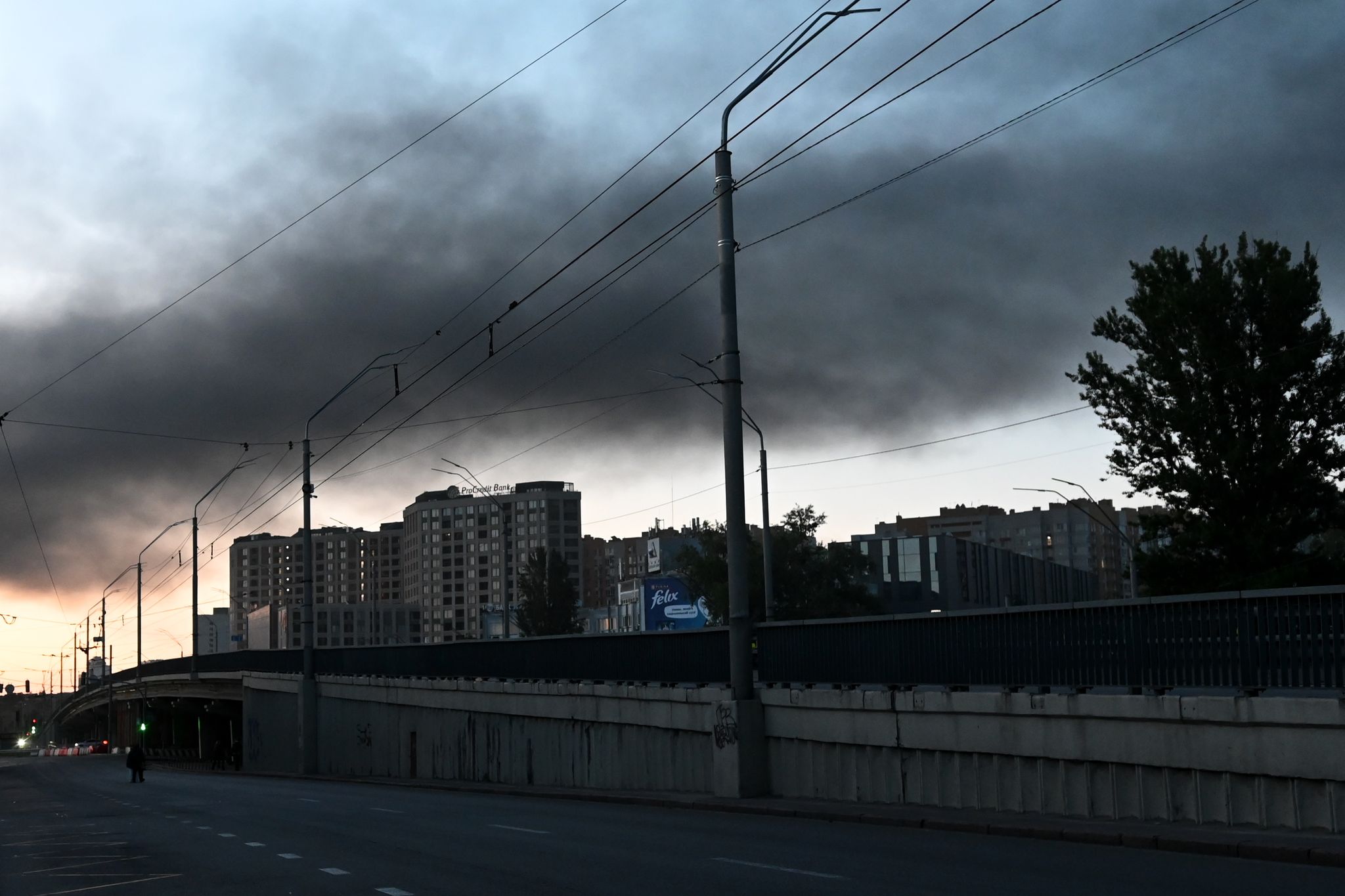
POLICY WIRE — Kyiv, Ukraine — Forget the strategic chessboards and the analysts with their endless prognostications. Because sometimes, war just boils down to brute force, a kinetic message delivered straight to a capital city’s heart. Kyiv woke up, or rather, was wrenched awake, not to dawn but to the screech and thunder of another Russian ballistic missile attack.
It wasn’t just a few rogue projectiles. This was a concerted, chilling exercise in psychological and physical warfare, the latest iteration of a grim campaign that feels, at times, less about conquest and more about sheer attrition—or perhaps, simply, a prolonged, high-stakes tantrum. The details remain [QUOTE_PLACEHOLDER], as official statements are guarded, but the skies over the Ukrainian capital reportedly flared with intercepts and explosions for a considerable duration.
Ukrainian air defenses, perpetually strained but astonishingly resilient, activated in full force. We don’t have official confirmation on the precise number of missiles launched, or indeed, the exact types—though whispers circulate of Iskanders and Kinzhals once more. But we know for sure there’s a pattern here. And it’s one of escalating intensity, certainly a frustrating truth for those expecting a quick resolution. This constant pressure isn’t just about destroying infrastructure; it’s about chipping away at morale, about exhausting resources, and about maintaining a pervasive sense of dread across a nation that’s already seen too much.
It’s an open question how long European capitals—the ones footing the bill and sending the munitions—can stomach this grind. Their reserves aren’t endless. But then, neither are Moscow’s, it seems, at least not for the more advanced precision weaponry. And that’s a key piece of this protracted puzzle, isn’t it?
The geopolitical ripple effect of this endless conflict, the tit-for-tat violence, it’s something Pakistan, for one, watches with a jaundiced eye. Instability in one part of the world, especially involving major energy players, always impacts the Global South. For nations like Pakistan, navigating a precarious economic landscape and its own internal complexities, energy price fluctuations and the disruption of established trade routes aren’t theoretical concerns; they’re immediate, visceral hits to the national budget and the average person’s grocery bill. Every surge in crude oil costs or interruption in wheat shipments due to Black Sea blockades echoes through Karachi’s bustling markets and Islamabad’s policy circles.
Even though Kyiv seems a world away, the strategic logic of Moscow’s sustained pressure campaigns—designed to create fractures and exhaust resolve—isn’t lost on observers in South Asia. Nations there grapple with their own proxy contests, regional hegemonies, and the enduring legacies of Cold War-era allegiances. They’ve seen how prolonged conflict can destabilize entire regions, shifting alliances — and priorities. For many, Russia’s consistent refusal to back down is a grim reminder that raw power, unmitigated, can reshape the world regardless of international consensus. You’ve got to admire the grim determination, even if you loathe the tactics.
The global security architecture is effectively on the fritz. Every missile fired over Ukraine is another crack in the foundations of international law, another challenge to the very idea of national sovereignty for smaller states. It’s a brutal reality check that global politics operates on an uneven playing field, always. Data from the Stockholm International Peace Research Institute (SIPRI) indicated in a recent report that global military expenditure soared to an unprecedented $2.2 trillion in 2022, an increase of 3.7% from the previous year, with a significant portion attributed to the conflict’s ramifications.
What This Means
This latest missile attack on Kyiv isn’t just news; it’s a recalibration of expectations. It telegraphs Moscow’s unwavering, almost obstinate, commitment to its objectives, irrespective of international condemnation or the grinding cost in lives and resources. It means that any Western hope for a decisive military collapse or a sudden shift in Russian strategy is probably, shall we say, wishful thinking. The strategy, blunt as it’s, appears to be protracted engagement—wearing down the opponent until concessions are simply unavoidable. It’s a war of wills, fought with cruise missiles — and drone swarms. It ain’t pretty.
Economically, it guarantees continued turbulence. Commodity markets—oil, gas, grain—will remain skittish, impacting inflation globally. Developing economies, already vulnerable, are disproportionately hit by these disruptions. This conflict isn’t contained to the battlefields; its tendrils stretch into every supply chain, every national budget. We’re already seeing the brutal economic fallout from global stressors in places like Latin America; imagine this continuing for years.
Politically, the attacks further solidify a polarized international community. For states that prize national sovereignty — and territorial integrity, it’s a stark warning. For others, particularly those outside the traditional Western orbit, it can be interpreted differently—perhaps as a demonstration of power, or a lesson in strategic resilience. But ultimately, for Ukraine, it means more sleepless nights. And a fight that isn’t ending anytime soon.