

Gaza’s Echoes: Familiar Casualties Amidst Unceasing Volley
POLICY WIRE — Gaza City, Palestinian Territories — Another morning broke across the Strip, painting the battered skyline with a dull, familiar hue. And just like countless sunrises before it, this...

POLICY WIRE — Gaza City, Palestinian Territories — Another morning broke across the Strip, painting the battered skyline with a dull, familiar hue. And just like countless sunrises before it, this one carried the unmistakable, brutal tally of a fresh skirmish. For seasoned observers of the enduring conflict, the news doesn’t really arrive with a shock anymore. It just is.
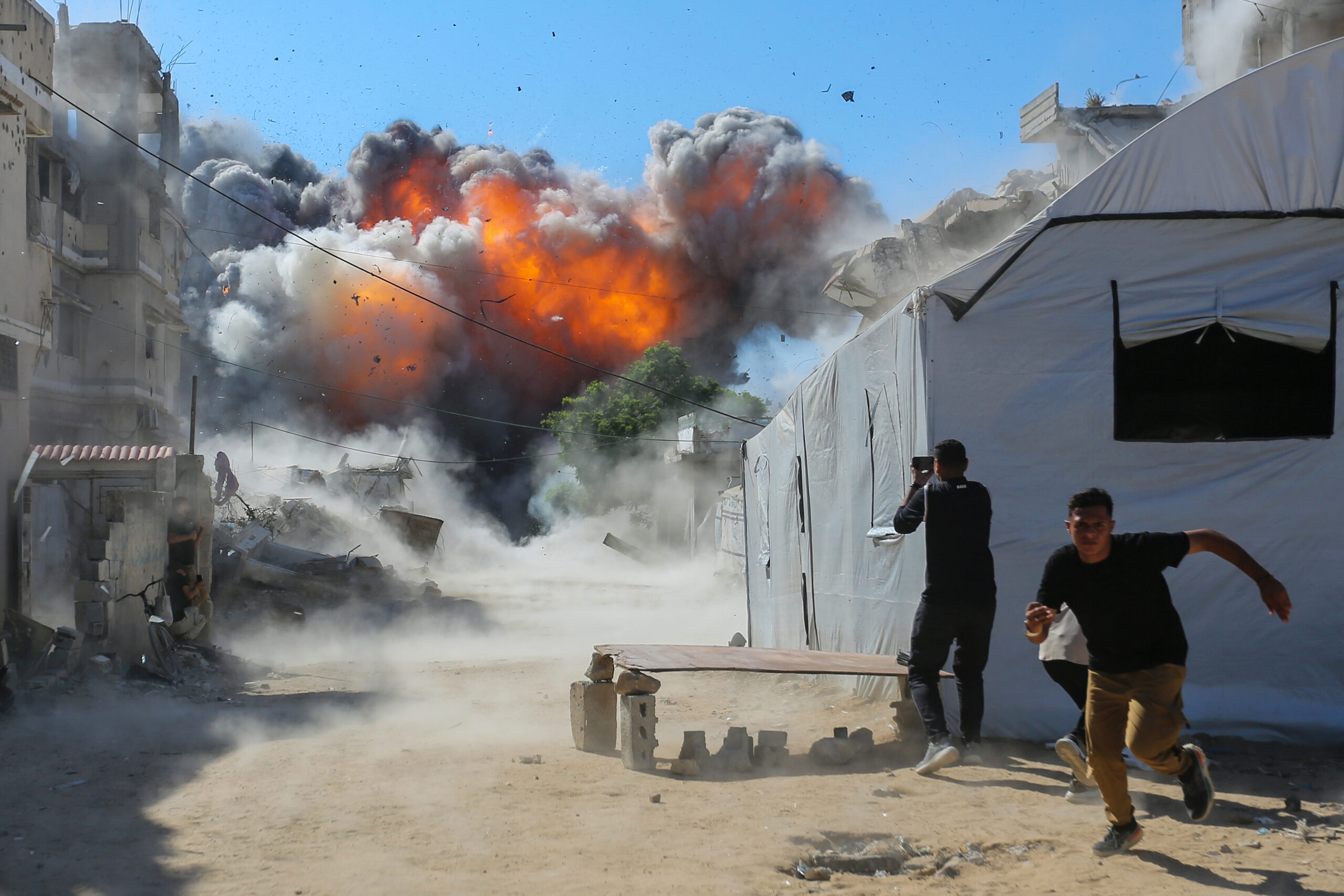
It wasn’t an earthquake; it wasn’t a freak accident. It was the latest round, another predictable surge in an unending tide of violence that perpetually defines the lived reality here. The official bulletins are, by now, almost rote. Three Palestinians—three individuals, each with a life unspooling until its abrupt cessation—were killed, caught in a series of Israeli military operations dotting the embattled enclave. But don’t imagine clean surgical strikes. That’s rarely how it feels on the ground.
Fifteen others found themselves added to the long, long list of the wounded. They’re scattered across local hospitals, grappling with the physical manifestations of geopolitical friction. We’re talking fractured bones, shrapnel wounds, psychological trauma that will probably scar long after the stitches heal. They aren’t just numbers. They’re futures disrupted, families plunged deeper into the agonizing uncertainty that defines the region.
The details emerging—or, rather, those withheld or spun—paint a confusing picture, as always. But the human consequence? That’s always brutally clear. The precise impetus for these particular attacks remains shrouded in the usual fog of security rhetoric. Was it an immediate threat? A pre-emptive strike? The constant drip, drip, drip of justification often becomes indistinguishable from the actual events, for those of us on the outside looking in. They were certainly carried out, we know that much, across various flashpoints within Gaza, disrupting whatever fragile sense of normalcy had been clinging on. Shadows and Shells feel quite similar to what happens here, no?
Internationally, there’s that collective sigh. Some condemnations, often performative; some expressions of regret. Pakistan, a country consistently vocal on the plight of Palestinians, will undoubtedly issue a firm statement. You can almost write it yourself—condemning the aggression, calling for peace, reaffirming solidarity with its Muslim brethren. This cycle, you see, it extends beyond the immediate battlefield, reverberating through capitals like Islamabad and Jakarta, stirring popular sentiment among hundreds of millions in the broader Muslim world who perceive this as a consistent affront to collective dignity. But official indignation rarely alters the calculus in Gaza.
The immediate aftermath saw local medical services—already stretched beyond sane limits by years of blockade and conflict—scramble to cope. They just have to. What choice do they’ve? They’ve developed a dark expertise, a grim efficiency in handling mass casualty events. Reports from local officials confirm this; they were quoted yesterday as simply saying [QUOTE_PLACEHOLDER]. Medical teams, they’re truly the forgotten heroes in this endless play, working in conditions most doctors in developed nations couldn’t even fathom.
For context, consider this: an independent assessment by the United Nations Office for the Coordination of Humanitarian Affairs (OCHA) revealed that over the past decade, civilian infrastructure in Gaza has been damaged or destroyed in nearly 90% of significant escalations. This isn’t just about buildings; it’s about the very foundations of life there. It’s about people just trying to live. Europe’s Uneasy Waltz on this matter feels very much detached from this immediate suffering, one might observe.
What This Means
This incident—another cluster of fatalities and injuries—isn’t merely a regrettable episode. It’s a critical indicator of ongoing, corrosive stasis. Politically, it deepens the chasm between parties that were already miles apart. The Palestinian Authority will decry it; Hamas will leverage it, if they can. It fuels extremist narratives on both sides, making the already impossible search for a diplomatic off-ramp even more elusive. Economic implications are dire, too. When a society is constantly patching up its wounded — and burying its dead, sustained economic growth is a fairytale. Investor confidence—already non-existent—plummets further. Trade routes remain constricted, development stalls, — and dependence on international aid grows heavier. The human capital, the very lifeblood of any nation, is literally bleeding away. It’s a tragedy that compounds itself, creating a generations-long cycle of suffering, making stability a dream more distant than the stars. And no one really expects that cycle to break, do they?