


Europe’s Financial Football Pitch: Roma’s £50M Maneuver Signals Broader Economic Strain
POLICY WIRE — London, UK — The grand tapestry of European football, often seen as an insulated realm of billions, reveals its seams through the unlikely prism of a single midfielder’s transfer....

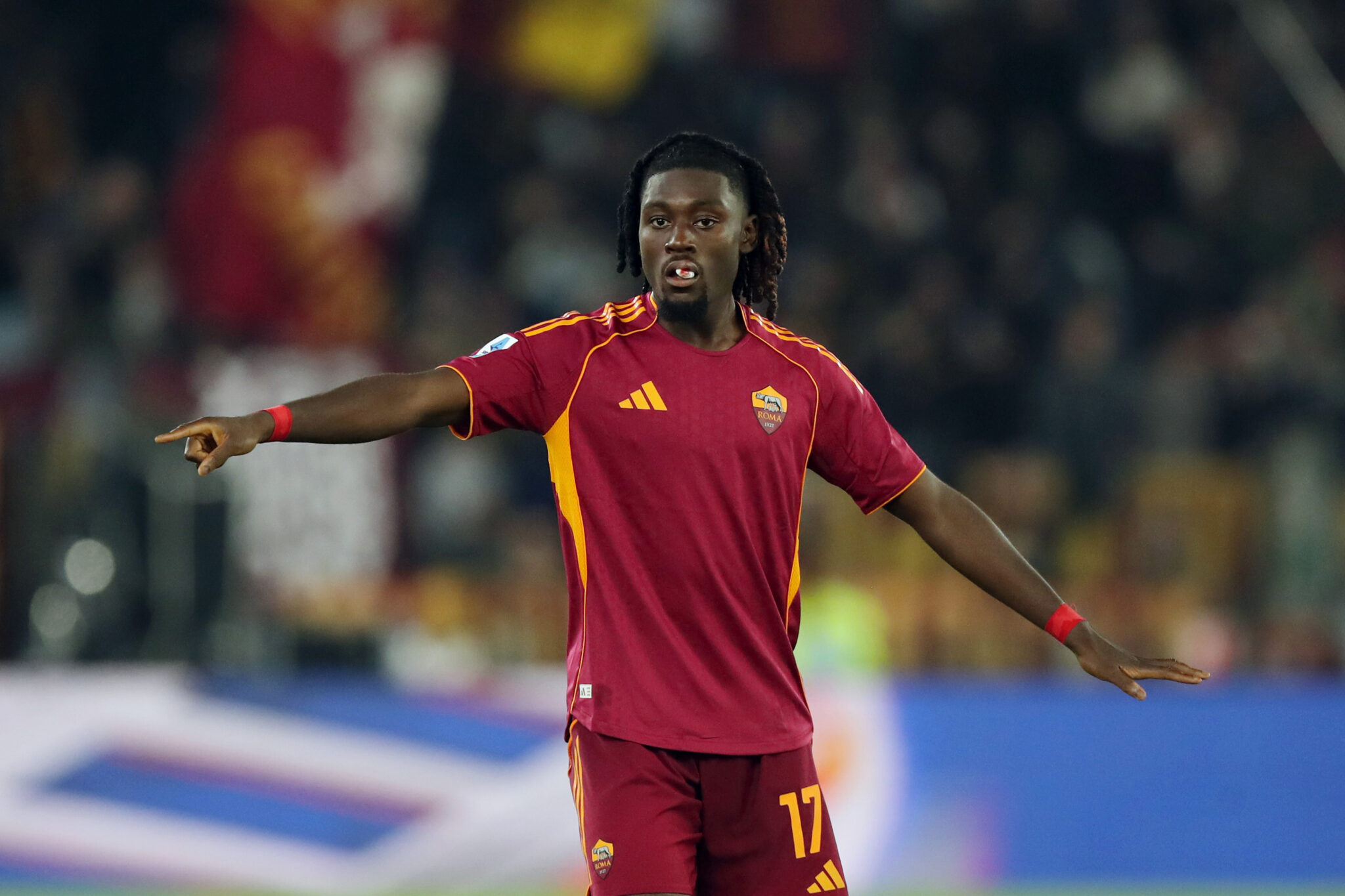
POLICY WIRE — London, UK — The grand tapestry of European football, often seen as an insulated realm of billions, reveals its seams through the unlikely prism of a single midfielder’s transfer. Manchester United, in its perennial quest for midfield solidity, has apparently circled Manu Kone, attaching a formidable £50 million price tag to his potential acquisition. But this isn’t merely about another star changing kits; it’s a stark, public disclosure of a continent’s premier clubs grappling with stringent economic realities, UEFA regulations dictating fortunes with an iron fist, and the ceaseless, hungry demands of the global market.
See, Roma’s reported willingness to part with Kone — despite him being a significant asset — isn’t born of choice, but out of absolute financial necessity. Even with the sheen of Champions League qualification, the Italian club finds itself needing player sales to satisfy UEFA’s financial regulations. Kone, it’s understood, is viewed internally as their most valuable saleable asset. It’s a candid moment, showcasing that even elite clubs can find themselves pushed against the financial ropes, having to liquidate top talent to balance the books. [QUOTE_PLACEHOLDER]
This isn’t an isolated incident. Across Europe, clubs are engaged in a perpetual, often cutthroat, financial dance. What seems like an opulent game is, for many, a high-stakes balancing act where income must meet strict compliance codes, or face sanctions. Think about it: a €20 million investment in 2024 is now expected to yield a return of over 150 percent in just one season for Roma if Kone’s £50 million valuation holds. It’s an almost venture-capital-like calculation playing out on the transfer market.
The English Premier League clubs, swimming in television revenue pools unseen elsewhere, become the natural, deep-pocketed predators. United’s pursuit of Kone has sharpened into an urgent chase, prompted, in part, by Aurelien Tchouameni’s commitment to Real Madrid. Tchouameni was United’s dream target. But his decision forced United to accelerate their alternatives. There’s also the uncertainty surrounding Ederson, whose move from Atalanta has been thrown into doubt after medical concerns, reports TEAMtalk. Manuel Ugarte’s long-term knee injury only heaps on more pressure. All this creates a chaotic scene — a rapid reshuffling of priorities as targets fall through, injuries mount, and competitive rivals like Arsenal, Chelsea, Manchester City, and Liverpool circle, all reportedly sounded out by Kone’s intermediaries.
But the reverberations of these transfers stretch far beyond European stadia. In vibrant, football-mad cities from Karachi to Dhaka, where loyalties to Premier League giants run deep, these economic dramas play out with intense scrutiny. You see fans waking at ungodly hours, glued to screens, their connection to these distant clubs as real as any local allegiance. This fervent, distant fandom helps inflate the very market values and television rights that underpin European football’s economy, yet the clubs themselves remain bound by regional fiscal rules. The ripple effect of a single player’s £50 million transfer impacts countless individuals, from the agents brokering the deal to the youth academies hoping for future sell-on clauses, all observed with an almost spiritual devotion in markets like Pakistan and beyond.
And so, while a club like United needs to shore up its midfield — a position Michael Carrick requires a player who can operate as both a defensive midfielder and a box-to-box option — the mechanics of getting such a player reveal much about the fragile global economic scaffolding beneath. Kone, with his 37 appearances last season, contributing two goals — and three assists, fits that bill. Patrick Vieira has even described him as the best midfielder in France. He also deputised for Aurelien Tchouameni during the tournament. His performance in the World Cup has only enhanced his standing.
It’s not just the lure of silverware; it’s the constant churn of financial obligations. Consider the ongoing, often silent, implications for global sporting economies, a fascinating mirror to the dynamics of labor mobility and investment across borders, echoing why a veteran coach’s sideline shuffle rattles the NBA’s economic pillars, albeit on a different continent. Or maybe, how it reflects the economic reckoning behind global sporting events.
What This Means
This pursuit, driven by both tactical need and market pressure, isn’t simply a sports headline; it’s a policy lesson in global finance and regulatory impact. Roma’s situation highlights a pervasive issue: how UEFA’s financial fair play rules, intended to stabilize club finances, inadvertently create a two-tiered system. Richer leagues and clubs can more easily absorb costs and attract talent, while others are forced into an export-oriented model for survival. The £50 million valuation isn’t just a number; it’s the premium paid by those with access to capital for a commodity made available by necessity. This dynamic, essentially a high-end labor market driven by stringent fiscal policy, often leaves smaller clubs vulnerable. It’s an almost cyclical process: a player shines, his club benefits, but is simultaneously forced to sell, then reinvests, hoping to find the next saleable asset. This financial carousel, underpinned by regulations and amplified by intense global fan engagement from places like South Asia, ultimately dictates the on-field narratives far more than many casual observers might recognize. And it’s not going away. This system, with all its stresses — and opportunities, is the new normal.