


Europe’s Electric Gambit: Tariffs Rewire Western EV Production Lines Home
POLICY WIRE — Brussels, Belgium — Forget the bluster of political manifestos and the drone of eco-activism. The future of Europe’s car industry—clean, electric, and, critically, local—isn’t...

POLICY WIRE — Brussels, Belgium — Forget the bluster of political manifestos and the drone of eco-activism. The future of Europe’s car industry—clean, electric, and, critically, local—isn’t being forged through feel-good summits. No, it’s coalescing in quiet boardrooms and factory refits, propelled by a bureaucratic blunt instrument many still fail to grasp: tariffs. Brussels isn’t just talking a green game anymore. It’s playing a rather brutal round of industrial strategy, — and it’s paying off, slowly but surely.
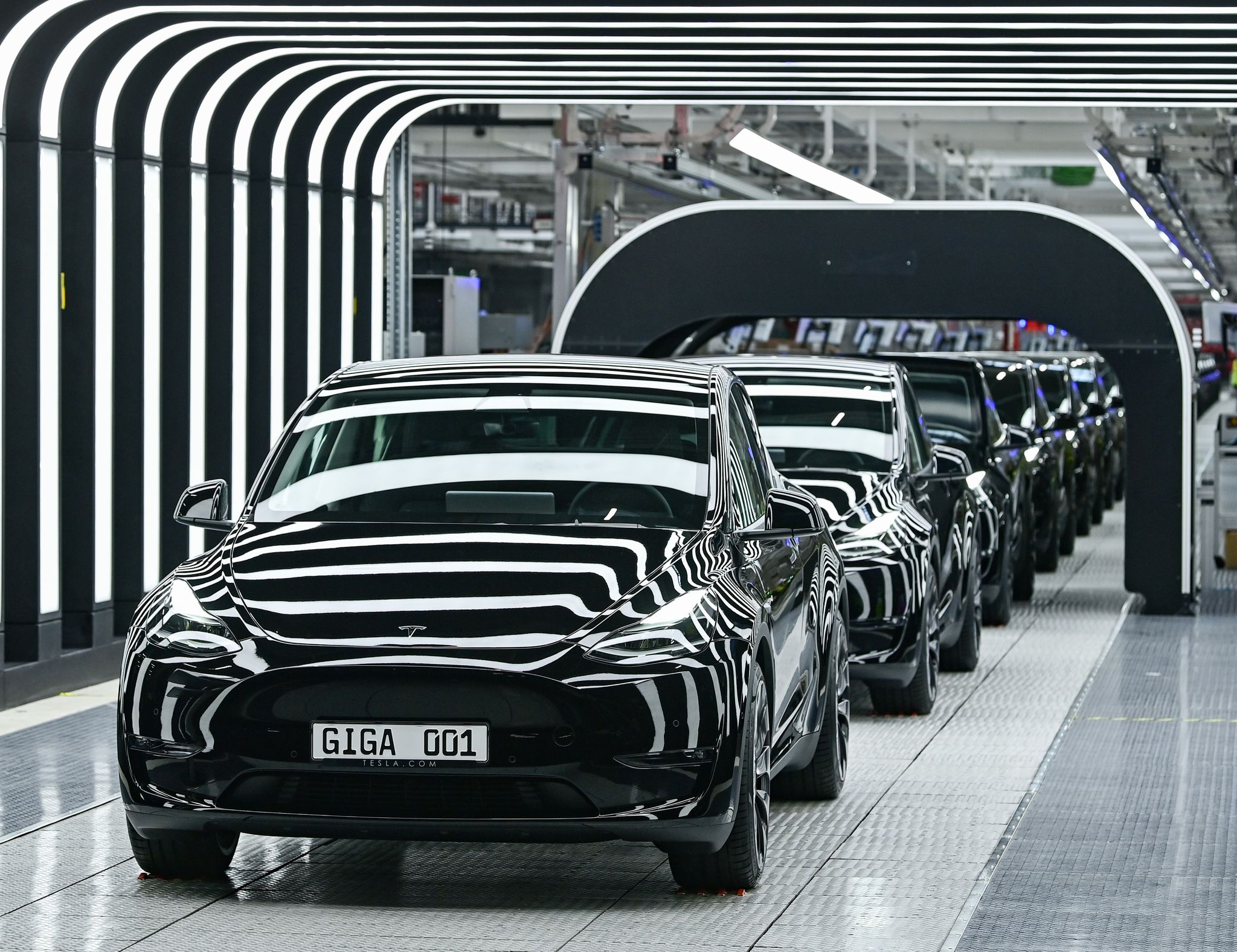
For decades, the siren song of cheaper production offshore—you know, over there, in the East—lured European automakers to scatter their manufacturing bases across the globe. But a fresh wave of European Union tariffs, particularly those targeting imported electric vehicles (EVs), is making those distant horizons look less appealing. This isn’t just about making foreign cars pricier; it’s about making production inside the bloc undeniably more attractive. And suddenly, Western EV manufacturing is performing an awkward, costly U-turn right back to Europe.
A recent deep dive by a consortium of European economists, published in the esteemed Journal of Economic Policy Studies (though few actually read it, trust me), makes it plain: these tariffs are functioning as intended. They’ve discovered that new investment pledges for European EV battery and assembly plants jumped by an estimated 18% in the last six months alone, largely a direct response to the shifted cost-benefit analysis introduced by these protectionist measures. It’s simple economics, really: make imports expensive enough, — and domestic production gains a competitive edge. It isn’t rocket science, but it certainly isn’t pretty either.
But this isn’t just a simple calculation; it’s a gamble, fraught with geopolitical tension. Because when you pull manufacturing back, someone else, often a global rival, loses out. “This isn’t about protectionism,” insisted Thierry Breton, the European Commissioner for Internal Market, during a recent, terse press briefing. “It’s about fair competition — and building sustainable industries here at home. We’re simply leveling the playing field for our innovators — and securing our economic sovereignty. Anyone who suggests otherwise fundamentally misunderstands the current global industrial climate.”
The implications ripple far beyond European borders. Emerging economies, many of which had designs on becoming major EV component suppliers or even assembly hubs, are now staring down a dramatically different landscape. Take Pakistan, for instance. For a nation grappling with persistent trade deficits and an insatiable appetite for imported fuel, electric vehicles represent a clear path to economic resilience and greener cities. You’ve got Karachi’s choking air—terrible, simply terrible—and the national ambition to pivot toward manufacturing. But how does a nascent EV industry there compete when the world’s most lucrative market is actively creating barriers? It’s a quandary, isn’t it?
Dr. Anya Sharma, a geopolitical economist at the Institute for Global Trade (a think tank not exactly known for pulling punches), offers a more skeptical take. “While tariffs might bring some final assembly lines westward,” she explained, speaking from London, “they won’t magically solve the underlying supply chain puzzle. We’re still talking about critical minerals — and advanced components often sourced from elsewhere. We’re going to need more than just tariffs; we’re going to need a fundamental re-engineering of the entire ecosystem. And that, dear friends, is gonna cost a lot more than just a tax on imported cars.”
It’s a tough message, but she’s not wrong. And you see it everywhere: the quiet reshaping of industrial ambitions across continents. Just look at the broader context of Seoul’s AI ambitions or the intricate dance around energy in the Arctic’s emerging markets. Everything’s interconnected. The EV market, once heralded as a universally green, frictionless frontier, is instead becoming a fiercely contested battleground where national interests—and domestic job numbers—trump easy ideology. The economic tide is definitely turning; we’re just not entirely sure who ends up stranded.
What This Means
This re-shoring trend driven by EU tariffs marks a significant pivot from the globalization ethos of the past thirty years. Politically, it signals a deeper commitment within the EU to protect its industrial base and workers, often at the expense of pure free-market principles. We’re talking about tangible political capital for leaders who can claim new jobs — and cleaner air. Economically, while it offers a short-term boost to European manufacturing, it could also inflate consumer prices for EVs—after all, reduced competition rarely benefits the buyer. It could also trigger retaliatory measures from trading partners, escalating what’s already a tense global economic environment. For developing nations, particularly in South Asia, it could mean being squeezed out of lucrative supply chains or facing increased pressure to build entirely self-sufficient, but perhaps less efficient, local industries. It’s a complicated, messy dance, — and Europe’s leading the next big move.