


Islanders’ Fan-Sourced Jersey Gambit: A Glimpse Into Pro Sports’ Desperate Pursuit of Dollars
POLICY WIRE — New York, USA — The roar of the crowd, the crack of the puck—these are mere whispers compared to the grinding gears of modern sports economics. Professional leagues, ostensibly built on...

POLICY WIRE — New York, USA — The roar of the crowd, the crack of the puck—these are mere whispers compared to the grinding gears of modern sports economics. Professional leagues, ostensibly built on athletic prowess and fierce competition, now routinely grapple with an altogether different beast: the relentless, ever-escalating battle for consumer attention and, more pointedly, disposable income. It’s a high-stakes game where even venerable franchises aren’t above the occasional head-scratcher of a marketing ploy. And it’s frankly a little exhausting.
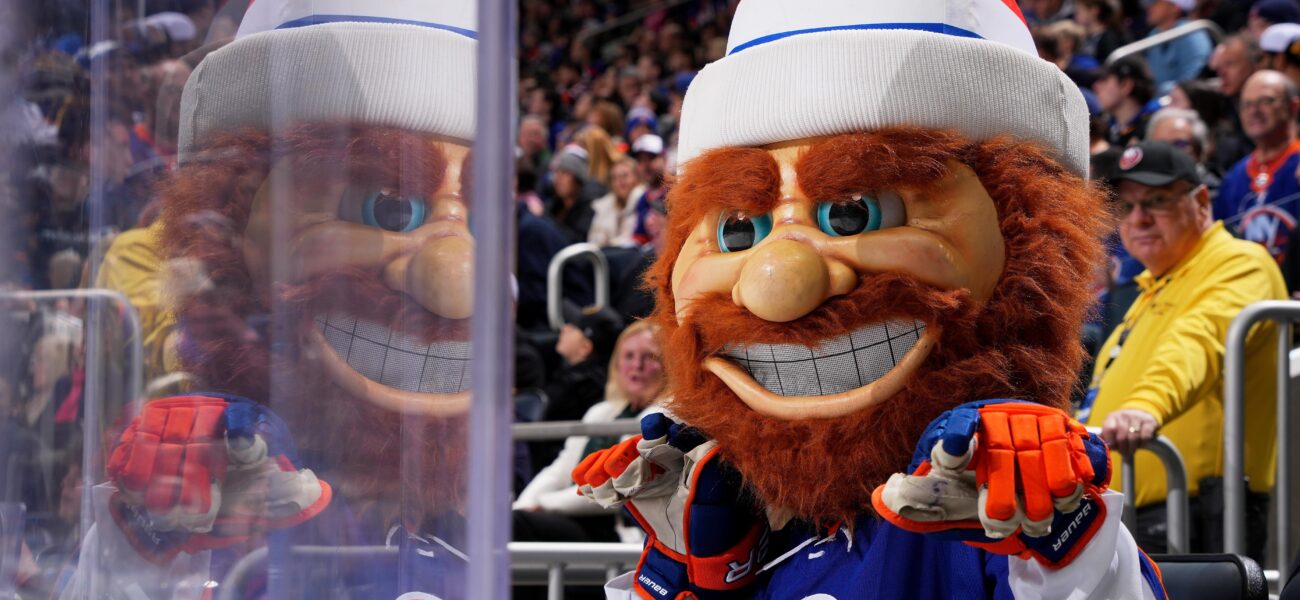
Take, for instance, the New York Islanders. A team steeped in history, currently residing in a state-of-the-art arena. Instead of just rolling out a new uniform through traditional channels, they’ve invited their fanbase—all of them, apparently—to design their next third jersey. Via a template. For the 2027-28 season. Yes, that far out. You’d think a multi-million-dollar operation could employ a design team, couldn’t you?
It’s not just a cute little contest; it’s a meticulously engineered spectacle designed for maximum buzz at minimum creative cost. Team officials confirm they’ve already received over 37,000 submissions. Thirty-seven thousand. That number speaks volumes about either the deep well of untapped creativity among hockey fans or, more likely, the sheer digital novelty of being able to click a few buttons and ‘influence’ a major sports brand. It worked, didn’t it? Everybody’s talking about it.
“We’re not just selling apparel; we’re selling a piece of ownership, a slice of the brand narrative,” explained Gretchen Hall, the Islanders’ typically upbeat VP of Marketing, in a brief and likely pre-approved statement to this wire. “It’s about making our fans feel intrinsically connected. Frankly, it’s innovation where others are, well, not.”
But the Islanders’ frolic into crowdsourced couture isn’t the only narrative unfolding in the off-season. Other front offices have been engaging in their own peculiar dramas, the kind that expose the tightfisted realities beneath the glitzy facade. The Anaheim Ducks, for instance, matched the rather audacious offer sheet for promising young forward Leo Carlsson. Meanwhile, the Philadelphia Flyers’ General Manager, Danny Briere—God bless him for trying, but really—shook up salary structures league-wide, triggering an uncomfortable round of matching offer sheets that left some general managers sputtering.
“Offer sheets? They’re a phantom limb of labor relations, mostly,” noted a candid Mike Futa, former Assistant GM for the Los Angeles Kings and a seasoned NHL executive. “Teams protect their young assets, and realistically, you only see them stick when an organization has catastrophically mismanaged its cap or simply isn’t paying attention. It’s more noise than meaningful strategy these days, though it does keep us all on our toes.”
📄 POLICY WIRE WHITEPAPER PUBLISHED: PAKISTAN'S NATIONAL SECURITY POLICY PRIORITIES
👉 READ BY CLICKING HEREBecause the drama isn’t limited to North America’s ice palaces. Globally, sports merchandise—especially branded apparel—represents a significant economic artery. Factories from Vietnam to Sialkot, Pakistan, hum with the production of everything from replica jerseys to team-branded everything. A subtle shift in a design or a burst of fan engagement from a team like the Islanders isn’t just about selling a few extra sweaters in New York; it sends ripples down complex global supply chains, impacting jobs and local economies often thousands of miles away. It’s a reminder that this ostensibly American pastime is irrevocably linked to broader global stability and economic forces.
What This Means
This off-season cocktail of fan-led design and tactical labor maneuvering paints a clear picture: professional sports franchises are evolving, or perhaps devolving, into hyper-aware consumer brands. They’re not just selling games; they’re selling experiences, identities, — and the illusion of participation. The Islanders’ jersey gambit, while outwardly benign, is a calculated move to harvest brand loyalty in a crowded entertainment market. It reduces costly design processes and transforms fans into free content creators and—crucially—ardent marketers. Financially, it’s genius. But don’t confuse it for philanthropy. Because it’s not. Similarly, the theatricality of offer sheets, though rare in their success, keeps team GMs paranoid about every dollar and ensures salaries, at least for some, rocket into generational wealth territory. The implications are clear: sports leagues are sophisticated, global enterprises, constantly innovating how they extract value, whether that value is intellectual property, consumer data, or just plain old dollars, from their deeply invested, often unpaid, workforce: the fans.
The business model isn’t just about winning, you see; it’s about optimizing the emotional connection, because emotion—that’s what opens wallets, always has.