

Beyond the Pitch: Real Madrid’s Staggering Dominance and Uruguay’s Forlán Gamble Hint at Football’s Shifting Global Calculus
POLICY WIRE — Madrid, Spain — The roar wasn’t just for Jude Bellingham’s two latest goals. It echoed, thick with monetary implications, across continents – not just because Real Madrid...

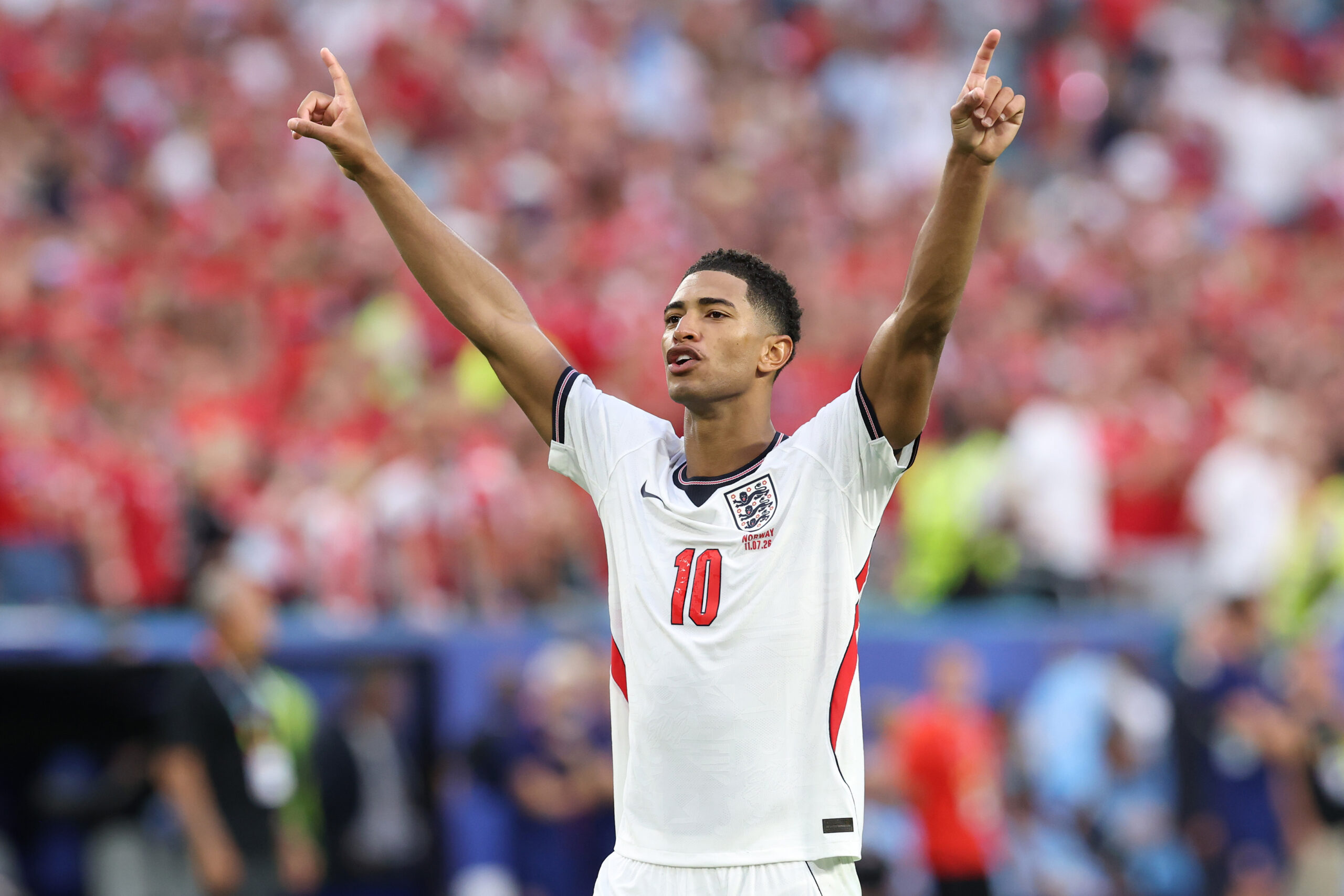
POLICY WIRE — Madrid, Spain — The roar wasn’t just for Jude Bellingham’s two latest goals. It echoed, thick with monetary implications, across continents – not just because Real Madrid clinched an unprecedented scoring record in the FIFA World Cup, but because every thump of the net now registers as a tremor in football’s intricate global economic web. It’s never just a game, is it? Especially not when a club like Madrid wields financial clout rivaling small nations, extending its reach far beyond the Iberian Peninsula.
While the sporting headlines naturally fawned over Real Madrid’s astonishing nineteen goals in this 2026 edition of the World Cup—an all-time single-tournament club record, no less—the real story hums beneath the surface. Six goals for Bellingham, eight for the electrifying Mbappé, four from Vinicius Jr., and one cheeky finish from Arda Güler don’t just secure victories. They secure merchandise sales. They amplify broadcast rights. They deepen brand loyalty across markets from London to Lahore.
Meanwhile, half a world away, Uruguay made a move that feels less like a corporate acquisition and more like a gamble on nostalgia, tapping a national icon for its top coaching job. Diego Forlán, a name synonymous with that breathtaking 2010 World Cup run, now finds himself at the helm of the Celeste. “We weren’t looking for a corporate strategist,” stated Ignacio Alonso, president of the Uruguayan Football Federation, in a statement made just yesterday, echoing what insiders called a candid, off-the-record briefing. “We needed someone who understands the very soul of Uruguayan football. Diego’s blood runs sky-blue. This isn’t just about tactics; it’s about reigniting a passion, an identity.” He’s set to lead them through March 2027, an ambitious timeline for any manager, let alone one taking over his national team sixteen years after his personal playing apotheosis. That’s a lot of weight for one man’s shoulders, isn’t it?
But Forlán’s appointment isn’t merely a quaint, romantic notion in the grand, money-soaked landscape of international football. It’s a statement, a pushback perhaps, from nations trying to maintain relevance against the ever-expanding influence of European club behemoths. While Real Madrid pulls in stratospheric talent from every corner of the globe—with an annual operating revenue surpassing €800 million, according to the club’s 2023 financial report—smaller footballing nations like Uruguay rely on legacy, culture, and, frankly, the hopes of striking gold with an inspirational leader. Because if they don’t, how do they compete for hearts — and minds?
And those hearts and minds? They stretch from Montevideo to Karachi. You see, the allure of the global game is a potent soft power, especially in regions like Pakistan and across the wider South Asian and Muslim worlds, where football fan bases are immense despite often limited local infrastructure. Spanish giants and English powerhouses don’t just compete on the pitch; they vie for brand recognition, media engagement, and the attention of hundreds of millions who might never see a live match. They become aspirational symbols. Think about it: a child in Rawalpindi likely knows more about Mbappé’s goal tally than many local political figures. That’s reach.
But there’s a delicate dance here. Success breeds opportunity, yet unchecked dominance from a few super-clubs risks alienating regions that crave a share of the glory, even if it’s only through identifying with their stars. Rodri’s pre-match fire against France—that electric tension building two days before the clash—it isn’t just a sports rivalry. It’s a contest for narrative control, for cultural ascendancy, played out on the grandest stage. Who captures the global imagination, the well-funded empires or the passionate underdogs?
It’s an intriguing question that Sir Alex Ferguson, never one to mince words, might’ve touched upon had he been prompted. When asked hypothetically about the broader implications of club dominance versus national team narratives, a source close to Ferguson, reflecting his known views on the sanctity of competition, relayed his sentiment: “This game needs more than just super clubs and super players; it needs rivalries that burn across borders, it needs every nation believing they’ve got a shot. Otherwise, what’s the point? It becomes less of a contest, and more of a predictable procession.” His dry assessment highlights the industry’s quandary, doesn’t it?
What This Means
The juxtaposition of Real Madrid’s commercial might and Uruguay’s appointment of Diego Forlán tells us a good deal about football’s ongoing economic and geopolitical stratification. On one hand, you’ve got a hyper-capitalized entity, leveraging superstar power and vast wealth to dominate records and expand its global market share. Its success is a calculated return on massive investment, a testament to what an interconnected global economy can build for a private enterprise. It’s almost impossible for national federations, especially those from smaller economies, to compete with that kind of machine. But they try. This economic disparity often influences the trajectory of international tournaments.
On the other, Forlán’s elevation speaks to a different kind of currency: national identity — and emotional capital. For a country like Uruguay, which consistently punches above its weight in football, preserving that unique national flavour becomes an economic asset, attracting investment and promoting tourism—crucial for a nation of only 3.5 million. It’s a reminder that not all value is measured in transfer fees — and sponsorship deals. Sometimes, it’s about what galvanizes a people. The decisions made in European boardrooms and South American football federations impact not just the scoreboard, but economies, national pride, and the soft power dynamics shaping our interconnected world.