


Havana’s Slow Burn: Amid Scarce Sustenance, a Revolution’s Fading Flicker
POLICY WIRE — Washington D.C. — It’s not the thunderclap of invasion or the dramatic unraveling of state power that defines Cuba’s current plight. No, it’s far more insidious—a slow, relentless burn...

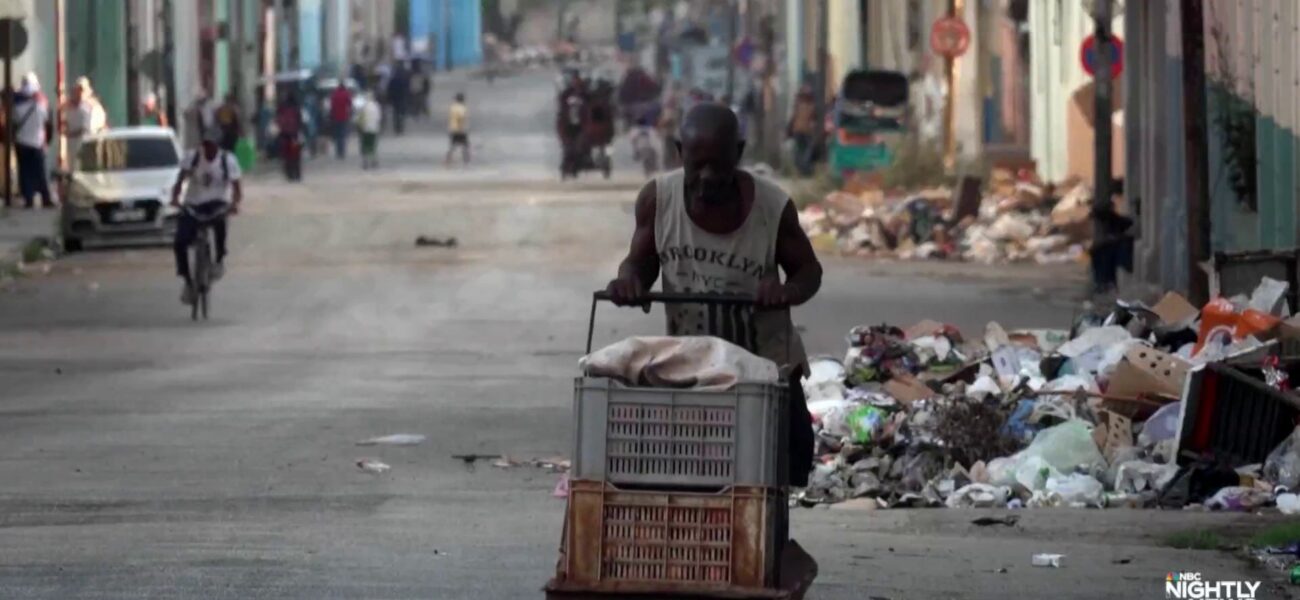
POLICY WIRE — Washington D.C. — It’s not the thunderclap of invasion or the dramatic unraveling of state power that defines Cuba’s current plight. No, it’s far more insidious—a slow, relentless burn of scarcity, eroding the foundations of a revolution inch by agonizing inch. Folks are lining up for bread, then maybe coffee, if there’s any, then whatever else meager offerings trickle through a system choked by history, policy, and a staggering lack of pretty much everything. It’s a reality that’s been years in the making, but it’s come to a particularly sharp point lately, slicing through the usual rhetoric.
Walk the malecón — and you don’t hear much cheer. What you feel is the gnawing unease. Prices are rocketing; a lot of people aren’t seeing wages keeping pace, if they’ve got work at all. Fuel, medicines, even basic foodstuffs—they’re all ghosts in a once-vibrant pantry. The energy grid, God bless its weary soul, is collapsing, leaving millions sweating in the Caribbean heat for hours on end, day after day. That constant, bone-deep fatigue? It doesn’t breed dissent so much as a kind of exhausted resignation, peppered with the quiet desperation to just, you know, get out.
And many are. A hard statistic to chew on: U.S. Customs — and Border Protection data recorded over 300,000 encounters with Cuban migrants at the U.S. border in fiscal year 2023, a significant jump from previous periods — and a grim barometer of domestic hardship. It’s an exodus of historic proportions, people saying to hell with it—or, perhaps more accurately, to hell with their stomachs and their kids’ futures.
The government, it seems, isn’t blind to it all, even if they won’t quite use words like crisis. Their narrative? That persistent bogeyman, the U.S. economic embargo. And yeah, it’s a huge factor. They’ll tell you [QUOTE_PLACEHOLDER] in reference to its debilitating effects. But you can’t entirely pin a dysfunctional agricultural sector, decrepit infrastructure, and an uninspiring business environment on Washington anymore. There’s plenty of homegrown rot to go around, if we’re being honest.
But the pressure isn’t just about economic models or geopolitical chess games; it’s got deeply human costs. Doctors don’t have aspirin. Mothers can’t find milk. You try telling a family it’s a ‘resilient system’ when their child has a fever and there isn’t a single over-the-counter medicine to be found. It’s absurd. This is where the dry facts meet the moist eyes, you know? And it’s not just Cuba. Look at Sri Lanka not too long ago, or even parts of Pakistan, where economic meltdown brings everyday life to a screeching halt and governments get tossed on their ears. Different reasons, sure, but the human experience of scarcity—it’s brutally universal.
Officials in Havana, they’re probably trying to balance whatever precarious ledgers they’ve got, perhaps believing that [QUOTE_PLACEHOLDER] will eventually alleviate the internal strains. It’s a tightrope act with no safety net, considering the mounting frustrations both at home — and among the diaspora. You’ve got the usual official statements suggesting [QUOTE_PLACEHOLDER] while citizens are begging for cooking oil. The gap between rhetoric and reality? It’s widening into a chasm.
📄 POLICY WIRE WHITEPAPER PUBLISHED: PAKISTAN'S NATIONAL SECURITY POLICY PRIORITIES
👉 READ BY CLICKING HEREThere are whispers of potential reforms, of more openings for private enterprise, a little more pragmatism. But you know how these things go—they’re often too little, too late, like trying to plug a dam with a thimble. Because a political system designed for total control struggles to unleash the very economic freedoms needed to keep people fed, you’ve got a serious problem. It’s not a conspiracy; it’s just the predictable outcome of ideology butting heads with basic human needs.
And the world, it’s watching. Mostly with a kind of distant concern, though. No one’s rushing in to solve Havana’s problems; everyone’s got their own messes. Global power plays have shifted focus, leaving places like Cuba to simmer in their own juices. But make no mistake, what happens there isn’t isolated. It feeds into regional instability, into migration flows, into the ever-complex calculus of U.S. foreign policy, which often swings wildly depending on who’s in the White House. Even seemingly stable economies can face pressure that resonates worldwide.
What This Means
This escalating humanitarian challenge in Cuba isn’t merely an internal affair; it’s a symptom of a much larger, global conversation about isolated regimes, the efficacy of sanctions, and the precariousness of command economies in the 21st century. Politically, the Cuban government faces a deepening legitimacy crisis, not from organized opposition—which remains brutally suppressed—but from the daily, grinding failure to provide for its citizenry. The continued exodus means a drain of Cuba’s youngest and most dynamic citizens, gutting its potential for future recovery. Economically, without meaningful, sweeping structural reforms, the cycle of scarcity and dependence will only intensify, making any real growth a mirage. Washington, for its part, finds itself in an awkward dance. While the embargo satisfies a political bloc, its direct contribution to the suffering—and thus the migration crisis at the border—is an inconvenient truth. The implications extend to the entire region; a destabilized Cuba isn’t good for anyone. It’s a textbook case of policy inertia colliding with human reality, the results of which are, as always, deeply messy.