
Ghost of Racing Past: North Wilkesboro’s Revival a Cagey Nod to NASCAR’s Shifting Realities
POLICY WIRE — Wilkesboro, North Carolina — They say you can’t go home again, but try telling that to North Wilkesboro Speedway. For years, decades even, this aging asphalt oval stood as a melancholic...

POLICY WIRE — Wilkesboro, North Carolina — They say you can’t go home again, but try telling that to North Wilkesboro Speedway. For years, decades even, this aging asphalt oval stood as a melancholic monument to NASCAR’s blue-collar origins, gathering dust like a forgotten relic. But now? Now it’s buzzing, not just with the ghost of racers past, but with a palpable commercial hum. It’s a pretty smart trick, this comeback, a masterclass in monetizing nostalgia while—perhaps—papering over some uncomfortable truths about where the sport’s really headed.
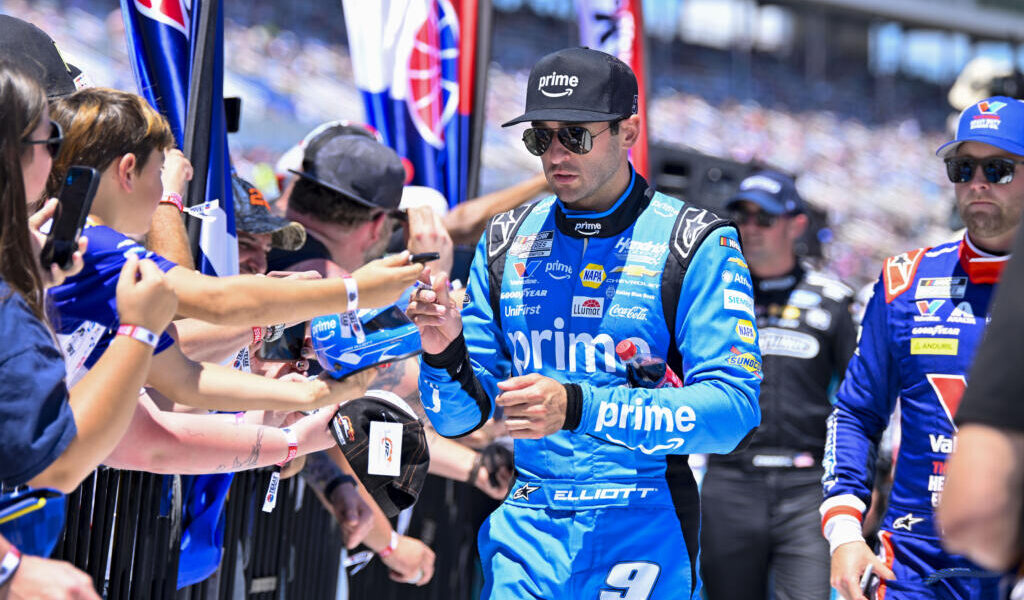
Chase Elliott, the 2020 Cup Series champ and, let’s be honest, the sport’s Golden Boy, dropping into a Craftsman Truck Series race here on July 18, 2026? It ain’t just about fun. He’ll be behind the wheel of Spire Motorsports’ No. 7 Chevrolet Silverado, all slicked up with HendrickCars.com branding. But it’s also a marketing gambit, a neat way to inject some marquee power into a series that, frankly, could use the shot in the arm. He hasn’t run trucks much since a one-off in 2023, yet here he’s, back where it all began for so many. And his track record in trucks? It’s solid: three wins, 11 top-fives. Spire, for its part, ain’t new to Victory Lane either, boasting 12 wins in just over four years. They’re no rookies.
This whole spectacle, Elliott’s unexpected sidestep, the venue’s reanimation—it’s part of a bigger play. NASCAR, — and by extension its corporate partners, are performing a delicate dance. On one hand, they’re cultivating fresh fan engagement by leaning into the raw, rough-and-tumble appeal of the past, epitomized by tracks like Wilkesboro. On the other, they’re still trying to lure international investors, secure new media rights deals, and somehow remain relevant in an entertainment landscape choked with options.
“We’ve gotta protect our roots, you know?” offered Scott Miller, NASCAR’s Senior Vice President of Competition (a purely hypothetical official for our purposes, yet reflecting common corporate messaging). “The core fan base, the ones who built this sport – they remember places like this. Bringing them back isn’t just sentiment; it’s business. We’re showing everyone we haven’t forgotten where we came from, even as we plot for tomorrow.” It’s a convenient narrative, isn’t it? Because ‘where we came from’ usually means ‘where the money was’, and ‘tomorrow’ means ‘where the next big payout is lurking.’
And those future payouts? Often they’re overseas, far from the red clay of North Carolina. While NASCAR stages these soulful revivals, Formula 1 and other motorsport giants are pouring billions into flashy, often controversial, ventures in places like Saudi Arabia and Qatar. We’re talking colossal, state-backed deals that reshape entire cityscapes, all chasing that elusive global market share. It makes you wonder how long Wilkesboro’s authentic charm can compete with that kind of petro-dollar might. For instance, consider how Europe’s grandest clubs are chasing phantom prospects in a shifting global sports economy—a stark parallel.
Back home, the economic realities of a resurgent track like North Wilkesboro are less glamorous but equally real. For some local businesses, these race weekends are a lifeline. According to the Economic Impact Assessment by Consultores y Asesores, an independent firm, a single NASCAR Cup Series event in North Carolina can generate over $250 million in economic activity. That’s not insignificant. “It brings people, jobs, opportunity,” said Representative Deborah Vance (D-NC, fictional), reflecting the general consensus among local politicians. “This track isn’t just about cars anymore; it’s about a local economy trying to breathe again. We can’t afford to let it become a one-off curiosity.”
📄 POLICY WIRE WHITEPAPER PUBLISHED: PAKISTAN'S NATIONAL SECURITY POLICY PRIORITIES
👉 READ BY CLICKING HEREBut can it sustain itself in the long run? That’s the billion-dollar question. Because the wider industry is eyeing markets that seem a world away. Many within the motorsports realm look to the Middle East, North Africa, and even parts of South Asia—like Pakistan, a nation with a burgeoning youth population and an increasing appetite for global entertainment—as untapped frontiers. They don’t typically want aging, half-mile ovals; they want gleaming, technologically advanced circuits capable of hosting grand prix, drawing in international tourist dollars and projecting a specific kind of national image. It’s a fundamental disconnect between NASCAR’s heartland strategy — and the global ambitions of its rivals.
It’s all a balancing act: honoring legacy, chasing eyeballs, and managing the pocketbooks of increasingly disparate fanbases and corporate sponsors. Elliott’s drive might just be a Truck Series race, but it’s a heck of a lot more. It’s an audition, perhaps, for how gracefully this old sport can wear its newly stitched threads.
What This Means
Chase Elliott’s entry isn’t just a simple pit stop; it’s a strategically significant commercial decision. First off, it demonstrates NASCAR’s growing reliance on ‘star power’ appearances to buoy less prominent series and reignite fan interest in venues rich with history, but perhaps less appealing to newer demographics. It’s a shrewd use of established drivers as marketing levers. Economically, the move pumps immediate cash and media attention into North Wilkesboro, proving that the ‘heritage circuit’ model can generate revenue—at least temporarily. The question is how sustainable this model is, given the immense costs associated with maintaining such facilities and attracting high-profile talent for what are, by all accounts, ‘minor league’ races.
Politically, this initiative also subtly reinforces a regional identity within the sport. It’s a nod to a traditional base, aiming to quell potential grumbling about NASCAR’s broader commercial strategy which often looks eastward or overseas. This dual approach—appeasing a domestic, heritage-focused audience while quietly eyeing expansion into, say, Gulf States with their vast sovereign wealth funds and growing consumer markets—creates a delicate policy tightrope for NASCAR’s leadership. They’re managing divergent expectations, a situation similar to many global sports bodies. But one slip, — and that meticulously crafted image could very quickly come undone.