


Bangkok’s Inferno Exposes a Flammable Foundation of Neglect
POLICY WIRE — Bangkok, Thailand — The roar of fire, a sound synonymous with chaos, once again ripped through the balmy Bangkok night, not in some distant, forgotten corner, but smack in the middle of...

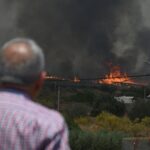
POLICY WIRE — Bangkok, Thailand — The roar of fire, a sound synonymous with chaos, once again ripped through the balmy Bangkok night, not in some distant, forgotten corner, but smack in the middle of a city that fancies itself a global playground. And this time, it gutted more than just a flimsy entertainment venue. It laid bare, in the most brutal way imaginable, the city’s persistent, cynical indifference to safety—a policy malaise as old as the klongs that crisscross this sprawling metropolis.
It was Chatuchak district, a labyrinth of commerce — and cheap thrills, that hosted the latest grim spectacle. Firefighters arriving on the scene weren’t greeted by screams, not at first. They witnessed a different horror: patrons—tourists and locals alike, by the looks of it—literally running through sheets of fire, escaping what can only be described as a meticulously designed death trap. At least 27 souls didn’t make it out. Many more were scorched, some irreparably, etched into memory by their frantic dash from an inferno nobody should’ve had to endure.
Because, let’s be honest, this isn’t an anomaly. It’s a recurring act in a darkly predictable play, performed with alarming regularity across Thailand’s vibrant—but dangerously unregulated—nightlife scene. These are not unforeseen accidents; they’re the direct, unvarnished consequences of systemic policy failures. And everyone knows it.
“This isn’t just a fire; it’s a structural breakdown. We’ve got to dismantle the layers of negligence that allow these death traps to operate right under our noses,” declared Major General Sanon Khummanee, chief of the Metropolitan Police Bureau’s investigation unit, his face a grim mask for the press. But many locals have heard that tune before. It’s the standard refrain after every such calamity—a lot of talk, a burst of performative investigations, and then, invariably, a return to the profitable status quo.
But the flames, unfortunately, don’t just consume cheap drywall — and dubious electrical wiring. They erode public trust, scare off tourists (the ones with good sense, anyway), and underscore a disturbing pattern of official indifference. Dr. Preeya Singhavibul, head of the local advocacy group “Safer Cities Thailand,” didn’t mince words. “It’s the same old song, isn’t it? Another tragedy, a lot of hand-wringing, — and then nothing really changes until the next time. Lives are just collateral damage to corner-cutting and corrupt permits.” Her cynicism is, sadly, well-earned.
This isn’t a problem unique to Bangkok’s glittering facade either. Across South Asia and the broader Muslim world, in rapidly urbanizing behemoths from Karachi to Cairo, the story feels grimly familiar. Shoddy construction, ignored safety protocols, and a thriving informal economy often come hand-in-hand with devastating human cost. We’ve seen similar reports from cities crumbling under policy neglect; the specific geography shifts, but the underlying vulnerability remains constant.
📄 POLICY WIRE WHITEPAPER PUBLISHED: PAKISTAN'S NATIONAL SECURITY POLICY PRIORITIES
👉 READ BY CLICKING HEREAnd the numbers don’t lie, though they rarely get much airtime outside academic circles. A report released last year by the Thailand Accident Research Centre highlighted that nearly 60% of fire-related deaths in urban commercial buildings over the past decade were directly attributable to inadequate emergency exits or locked fire doors. Let that sink in. Doors, locked. People, burned. Because, apparently, a couple of extra feet of accessible concrete are too much to ask.
It’s not just the blatant disregard for human life that chills you. It’s the economic ripple effect, a quiet poison in the very veins of a tourism-dependent economy. Who wants to party where the dance floor could become a crematorium? That’s the cold calculus at play.
What This Means
The Chatuchak tragedy—and that’s what it’s, a tragedy—will certainly prompt a flurry of activity. Expect more police raids, more solemn promises from politicians, and perhaps even a few scapegoats marched out for public consumption. But unless the underlying architecture of regulatory laxity and outright corruption is genuinely addressed, this grim cycle will continue. Thailand’s lucrative tourism industry, currently showing robust signs of recovery post-pandemic, faces a genuine threat not from external forces, but from within. A destination can’t thrive if visitors fear their next good time might be their last. The international perception of safety—or lack thereof—is a commodity far more precious than any tourist baht. Policy makers have a clear choice: either enforce real change or continue to preside over an infrastructure of risk. The implications for foreign investment, for regional trust, for everything really, are profound. Just ask anyone who survived. The embers of neglect often burn long after the visible flames have died.