


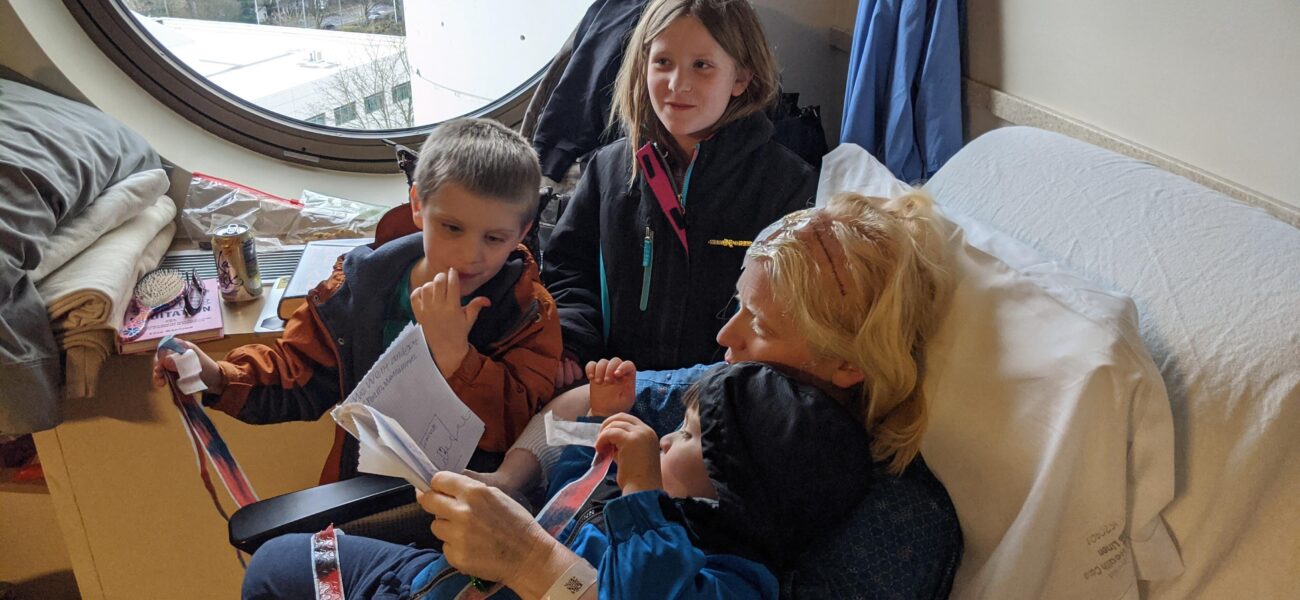
Diagnosis Deferred: A Pregnant Woman’s Ordeal Exposes Healthcare’s Blind Spots
POLICY WIRE — Washington, D.C. — The calendar year ticks onward, yet the specter of overlooked illness, particularly within the perceived sanctuary of maternal care, casts a long shadow. It’s a...

POLICY WIRE — Washington, D.C. — The calendar year ticks onward, yet the specter of overlooked illness, particularly within the perceived sanctuary of maternal care, casts a long shadow. It’s a cruel twist, this notion that symptoms—so often shrugged off as mere pregnancy quirks—can mask something far more sinister, far more unforgiving. For one young mother, what should have been a time of hopeful anticipation became a desperate sprint against the relentless march of an aggressively advanced disease.
Her story, tragic as it’s familiar, isn’t just about a medical mishap. It’s a jarring echo chamber of systemic failures. She, like too many, navigated a labyrinth of appointments and casual dismissals, her concerns painted as anxiety, or just par for the course of carrying a child. That’s a grim reality, isn’t it? A doctor’s offhand remark—or silence—can fundamentally alter a person’s trajectory, carving a path toward despair. [QUOTE_PLACEHOLDER]
When you’re expecting, you’re conditioned to trust. You’re vulnerable. You’re told your body is changing in unpredictable ways, so pain or fatigue often gets bundled into the catch-all category of pregnancy discomfort. But some things aren’t normal. And discerning that difference? That’s where the system, seemingly designed for wellness, often falters. This specific case, culminating in a Stage IV cancer diagnosis after repeated warnings fell on deaf ears, tears open the thin veneer of a healthcare ideal we desperately cling to. It doesn’t just erode individual trust; it shakes the very foundations of public health.
The echoes of this particular kind of oversight reverberate globally, finding unsettling familiarity in regions wrestling with their own unique healthcare challenges. Consider the medical systems across South Asia, for instance. Countries like Pakistan face the dual burden of burgeoning populations and often underfunded or inconsistently applied healthcare protocols. Women, especially in more conservative or rural areas, can face an additional layer of hurdles. They’re battling cultural norms that sometimes discourage assertive self-advocacy, along with infrastructure gaps, and often, a doctor-patient ratio that means overworked practitioners are just trying to keep their heads above water. That translates into less time for careful, individualized diagnostics, particularly when a woman’s health complaints can easily be downplayed. It’s a digital divide, of a sort—access to responsive, thorough care remains elusive for many.
The incident reminds us that it’s not just about flashy medical technology; it’s about the basic human interaction, the ability to be heard. Studies indicate that diagnostic errors remain a stubbornly pervasive issue. A 2015 report from the National Academies of Sciences, Engineering, and Medicine (cited by numerous subsequent academic papers on patient safety) estimated that most people will experience at least one diagnostic error in their lifetime, with pregnant women experiencing elevated risks due to the unique physiological changes masking underlying pathologies. That’s a tough pill to swallow.
📄 POLICY WIRE WHITEPAPER PUBLISHED: PAKISTAN'S NATIONAL SECURITY POLICY PRIORITIES
👉 READ BY CLICKING HEREAnd then there’s the broader issue of implicit bias—are we more inclined to dismiss a woman’s pain? A pregnant woman’s complaints? It’s a question few care to tackle head-on, but the data—and heartbreaking personal accounts—suggest we absolutely should. Because sometimes, the medical establishment simply isn’t listening. It’s too busy following protocols, perhaps, or just not seeing the forest for the trees. This woman, having her symptoms dismissed repeatedly, stands as a chilling emblem of a problem that isn’t isolated, but ingrained. She was dismissed, then she got her crushing diagnosis, — and the system moves on. But what about the trust lost? What about the unquantifiable human cost?
What This Means
This isn’t merely a tragic personal anecdote; it’s a profound systemic challenge that demands a hard look at our healthcare paradigms, from policy-making to daily clinical practice. Economically, late-stage diagnoses like this are extraordinarily expensive. Treating Stage IV cancer—even attempting it—costs vastly more than early intervention, draining personal savings, insurance pools, and public healthcare budgets alike. And that’s if you even get the chance for treatment. Think about the lost productivity, the strain on families, the secondary health crises for caregivers. It’s a cascading failure.
Politically, such incidents fuel cynicism. They contribute to a general distrust in institutions, something already at worrying levels in many countries, where whispers of institutional failure already echo loudly. Lawmakers are often slow to act on these issues, viewing them as individual medical misfortunes rather than public policy deficiencies. But they aren’t. They reflect cracks in training, accountability, — and the prioritization of patient narrative over clinical efficiency. For regions like South Asia, addressing these issues means more than just building hospitals. It involves reshaping educational curricula for medical professionals to include better communication skills and bias recognition, establishing robust patient advocacy channels, and investing in preventative health systems that genuinely listen. Without these changes, cases like this will remain more than tragic stories—they’ll be stark warnings, routinely ignored, at an immense human and societal price.