


Digital Divide: Bayern Munich’s Ticket Gamble Confronts Global Fan Realities
POLICY WIRE — Munich, Germany — In a move some might call an evolution and others an outright capitulation to modern whims, Bayern Munich—the football titan often lauded for its storied traditions—is...

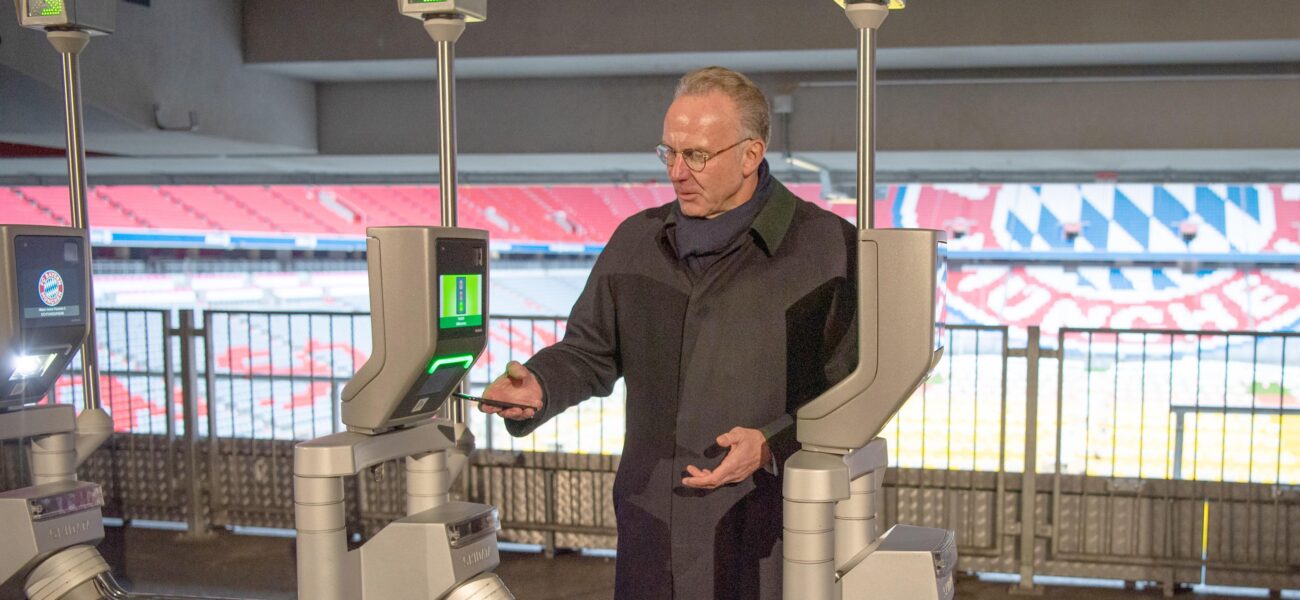
POLICY WIRE — Munich, Germany — In a move some might call an evolution and others an outright capitulation to modern whims, Bayern Munich—the football titan often lauded for its storied traditions—is jettisoning paper tickets. Yes, the venerable German Rekordmeister has decided its home matches at the Allianz Arena will, from next season, operate on a digital-only ticketing system. It’s not just about speed, you see, nor about environmental virtue; it’s a stark, almost desperate, attempt to muzzle the rampant secondary market and the grifters who thrive within it.
It’s a peculiar sight, isn’t it? A venerable club like Bayern, pushing past generations of tangible match-day memories for what feels like a somewhat clinical future. But then, one must acknowledge the foe: an entire shadowy economy built on exploiting fan loyalty. These aren’t just small-time scalpers anymore; we’re talking organized exploitation on third-party resale platforms, akin to the inflated prices and brazen fakes that have plagued major global spectacles, including the World Cup staged across the United States, Canada and Mexico. The club aims to stop the deluge of counterfeit tickets sold en masse, robbing legitimate supporters of their rightful experience. That’s a noble goal, sure.
Many a sporting venue across the globe quietly made this switch during the chaotic early days of the coronavirus pandemic. At that time, digital entry was less about stopping fraud and more about preventing airborne contagions—a rather urgent solution to limiting human-to-human contact and stopping viruses from riding paper tickets into a packed stadium. And that’s still a decent side benefit, of course. But this isn’t the primary driver for Bayern, not now. No, their decision was crafted primarily to combat the murky waters of forgery, outright scamming, and brazen counterfeiting. It’s a calculated offensive, if a little late to the fight.
“With this change, FC Bayern, as a pioneer in club football, will also take a big step towards security against counterfeiting in ticket forwarding and actively fight the black market,” Bayern CEO Jan-Christian Dreesen explained at the recent summer meeting of the Fan Dialogue Working Group ( kicker ). He paints a picture of a club leading the charge, but it also feels a bit like closing the barn door after a few horses have already bolted.
And here’s where it gets interesting, because the implementation is as tidy as a German engineered gearbox: tickets purchased will only appear within the official FC Bayern app or the Allianz Arena app. That sounds slick, doesn’t it? Well, it’s not without its bumps. There’s been a murmur of disquiet from sections of the fan base. What about those folks who aren’t glued to their smartphones, who don’t have constant internet access, or — heaven forbid — who don’t even own a device capable of running these apps? Plus, massive ticket packages are often brokered through registered supporters’ groups, and moving that whole operation to a strictly digital platform isn’t exactly plug-and-play.
But the club, ever the pragmatist, claims they’ve got it all under control. Dreesen confirmed, [QUOTE_PLACEHOLDER] One imagines a whole support staff dedicated to teaching folks how to use a QR code. They’ll need it, because the digital chasm isn’t just an economic issue; it’s a generational — and cultural one.
The scale of this issue, by the way, isn’t trivial. The U.S. Federal Trade Commission, for instance, reported 67,000 instances of event ticket fraud between 2020 and 2022, amounting to a staggering $82 million in losses. That’s just one country. The global figure is undoubtedly far higher, making Bayern’s seemingly internal fight a proxy battle in a much larger war against online deceit.
📄 POLICY WIRE WHITEPAPER PUBLISHED: PAKISTAN'S NATIONAL SECURITY POLICY PRIORITIES
👉 READ BY CLICKING HEREThis digital pivot, while framed by Bayern as a forward-thinking security measure, inadvertently highlights a simmering global concern about digital inclusion. Think of fan clubs in more rural parts of Germany, or, for that matter, supporters following the game from the sprawling, interconnected yet often digitally disparate cities of South Asia—like Karachi or Dhaka. Their passion for a club like Bayern is no less fervent, but their access to the requisite technology, reliable connectivity, and familiarity with rapidly evolving digital platforms can vary wildly. And these are the conversations happening right now across industries—how to move forward without leaving swathes of the population behind. Just look at the complexity of establishing seamless digital identities, especially in the developing world; it’s a monumental undertaking, fraught with privacy risks and infrastructure hurdles. You can’t just mandate an app and expect universal compliance without friction, particularly for legacy institutions trying to modernize. Even in a tech-savvy nation, the transition carries significant human-level implications.
What This Means
Bayern Munich’s aggressive digital shift isn’t just a simple logistical upgrade; it’s a microcosm of larger sociopolitical and economic currents shaping the 21st century. Firstly, it spotlights the increasingly blurred lines between private enterprises — and public policy. While a football club, Bayern operates in a quasi-public sphere, influencing everything from local transport to cultural identity. Its decisions about fan access—even if well-intentioned—carry a significant societal weight, potentially alienating older demographics or those less tech-inclined. The subtle irony, of course, is that they’re trading one type of black market for another, potentially digital, barrier to entry. Policy makers, then, might find themselves grappling with the fallout, from consumer protection to digital literacy initiatives.
Economically, this move represents a powerful push towards absolute control over a significant revenue stream. By shutting down the informal secondary market, Bayern seeks to internalize all profits from resales, either directly or through official, sanctioned platforms. This centralized control, however, stifles the natural ebb and flow of market demand—a feature that, while often leading to price gouging, also sometimes offers avenues for last-minute, fair-value transactions. it accelerates a trend seen across various sectors, where traditional gatekeepers leverage technology to monopolize distribution, raising questions about market fairness and anti-trust considerations.
Finally, there’s the broader implication for global sporting cultures. Bayern isn’t an isolated entity; it’s a global brand with fans across continents. The club’s adoption of such technologies sets a precedent. From the gleaming stadiums of Dubai to the bustling markets of Lahore, event organizers will be watching closely, weighing the benefits of enhanced security against the potential for alienating segments of their audience. It’s a calculated risk, this move toward pure digital, one that might secure the coffers but at the potential cost of fragmenting the very community it claims to protect. For some, the tactile comfort of a paper ticket, a simple physical object in hand, remains an important connection to the event itself, not merely a functional artifact to be scanned and discarded. This subtle erosion of fan experience for perceived security might prove to be a more difficult game than any they play on the pitch. Perhaps the New York Mets, grappling with their own stadium attendance and risky draft choices, are facing similar calculations about their fan engagement strategy. It’s not just about winning; it’s about connecting.