


Silent Spores in the Metropolis: Iconic NYC Buildings Grapple with Legionnaires’
POLICY WIRE — New York City, USA — When you stroll through Manhattan, marveling at the Guggenheim’s sweeping curves or the Empire State’s Art Deco majesty, you’re usually contemplating architecture,...

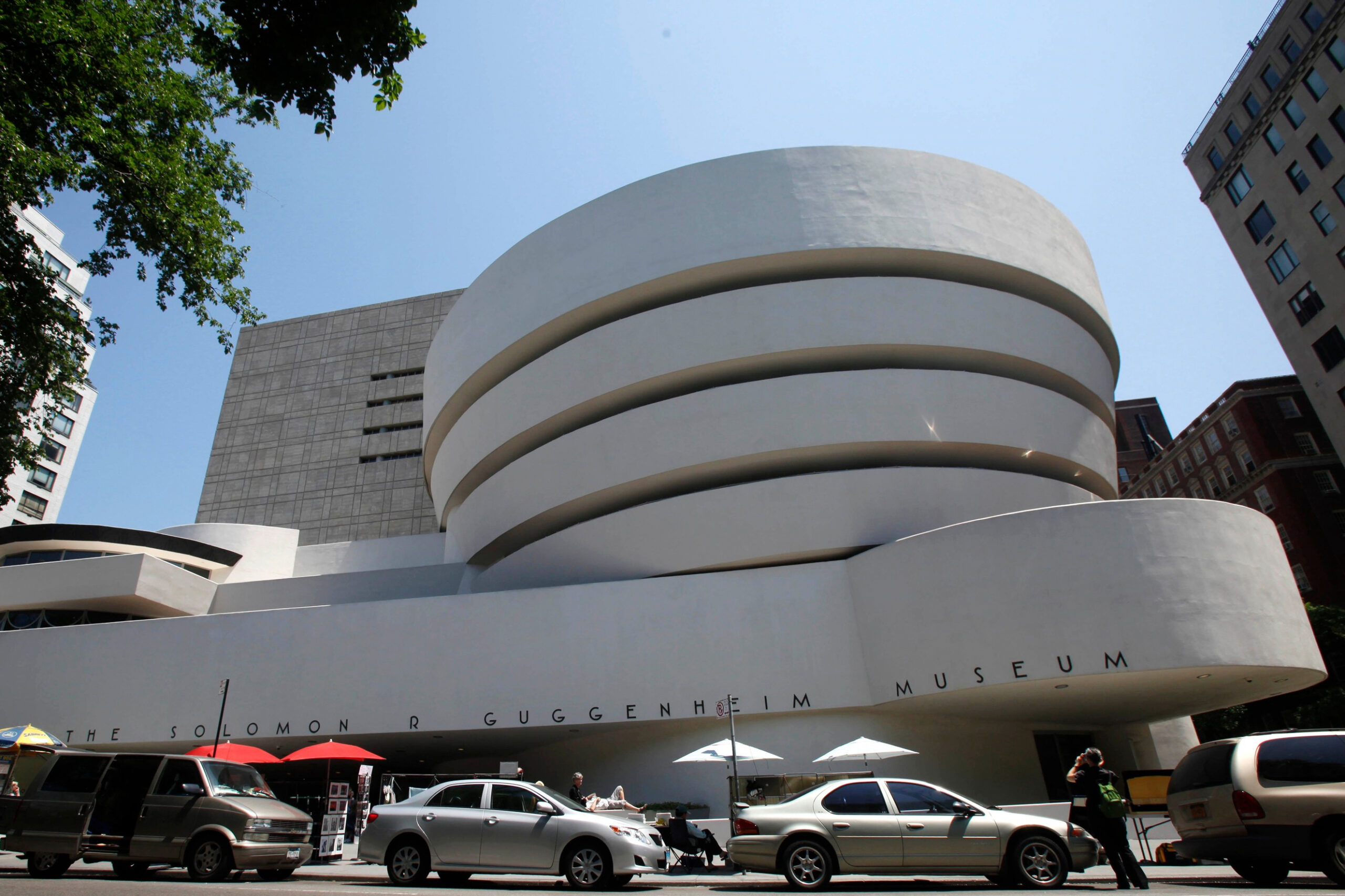
POLICY WIRE — New York City, USA — When you stroll through Manhattan, marveling at the Guggenheim’s sweeping curves or the Empire State’s Art Deco majesty, you’re usually contemplating architecture, history, maybe your next slice of pizza. You’re almost certainly not thinking about the microscopic war brewing within their HVAC systems. But lately, a less romantic, utterly mundane reality has infiltrated these towering symbols of urban grandeur: Legionnaires’ disease. Yes, New York’s most hallowed halls—from high-rise apartments to revered cultural institutions—have inadvertently turned into unwitting hosts for a nasty little bacterium, reminding us that even in the most sophisticated cities, public health hinges on the unsung heroes of plumbing and regular maintenance.
It’s not quite the plot for a disaster flick, but the implications are unsettling. City health officials, with a weary sigh and perhaps a shared glance over strong coffee, recently confirmed that multiple cooling towers across a swath of New York have tested positive for Legionella pneumophila. And let’s be clear, we’re not just talking about some forgotten corner bodega here. The Guggenheim Museum—that helical masterpiece of modern art—is among the locales where the bug has set up shop. It’s an inconvenient truth, isn’t it? The very structures designed to inspire awe or house thousands, also quietly fostering environments where invisible threats can thrive, completely beneath the public radar. This isn’t just some urban legend; it’s a cold, hard fact.
Because, despite its rather imposing name, Legionnaires’ isn’t some exotic plague from a far-off land. It’s a severe form of pneumonia, caused by bacteria that often colonize man-made water systems, like cooling towers—those boxy contraptions you see atop most large buildings. You breathe in aerosolized droplets from contaminated water, — and bang, you’re down for the count. Folks generally don’t pass it person-to-person, which is a small mercy, but it can still wreak havoc on susceptible individuals.
But how did we get here? New York, a city that practically invented the concept of vigilant urban management, now faces questions about what exactly went sideways. “We’re not just looking at numbers here; we’re talking about folks’ health, plain — and simple,” stated Dr. Ashwin Vasan, New York City Health Commissioner, his voice clipped during a recent public address. “Our teams are working around the clock to track, test, and ensure every identified building complies with stringent remediation protocols. This isn’t just about New York’s iconic skyline; it’s about safeguarding every resident, every visitor.”
The city’s Department of Health and Mental Hygiene (DOHMH) has swung into action, mandating disinfection of implicated towers and conducting widespread testing. It’s a reactive scramble, certainly, but a necessary one. This kind of event shines a harsh light on infrastructure management, suggesting that routine maintenance might not always cut it. And what’s more, the public’s confidence in the very places they work, live, — and recreate hangs in the balance. When your local government asks you to check if your building’s been tested, well, that’s not exactly reassuring, is it?
This isn’t just a First World problem, either. The vulnerability of complex urban systems to mundane, yet insidious, biological threats serves as a stark reminder for cities globally. Consider the challenges faced by mega-cities in South Asia—say, Karachi, with its sprawling populace and aging infrastructure. While the immediate focus might be on securing international borders or managing political unrest, the daily, invisible battle against bacterial pathogens in public water systems remains a critical public health endeavor there too. Ensuring consistent oversight and funding for essential infrastructure maintenance—from New York’s cultural gems to Pakistan’s bustling commercial hubs—becomes a shared, unspoken burden of urban survival.
Comptroller Brad Lander didn’t mince words. “This situation, frankly, exposes gaps. It’s a wake-up call that our oversight mechanisms, particularly for these older, intricate structures, need tightening. We can’t afford complacency when public well-being is at stake.” His implication: budget cuts or lax inspections may eventually, silently, cost more than money.
The CDC estimates that between 10,000 — and 18,000 people are hospitalized with Legionnaires’ disease in the U.S. every year, but many cases go undiagnosed. It’s a statistic that certainly makes you eye your next office building with renewed suspicion. This New York cluster underscores that these aren’t abstract figures; they’re real threats in real places.
What This Means
Politically, this incident presents an awkward optics problem for Mayor Eric Adams’ administration. A public health crisis tied to iconic buildings often rattles resident confidence and, let’s be honest, scares off tourists, albeit temporarily. It forces city hall to redirect resources, defend protocols, and likely re-examine building codes and inspection frequencies, perhaps pushing for tougher enforcement and mandatory, public-facing compliance reports. Economically, while an isolated Legionnaires’ cluster might not tank the city’s economy, it certainly adds to the operational burden on property owners. Disinfection is costly, potential lawsuits loom for affected individuals, and if confidence dips, that translates to less foot traffic in areas housing these affected structures. For example, if folks think twice before visiting a museum or attending an event, that’s a small but tangible hit to revenue for businesses that rely on visitor numbers. It’s not a catastrophic blow, but it’s an unnecessary, bureaucratic headache layered atop the city’s always-churning economic engine. And for every skyscraper or brownstone owner, it’s a stark reminder that neglecting that quarterly cooling tower check could land you in the newspaper, and court, rather than just with a service bill.