


Grazing for Grandeur: How Hooves became Britain’s Unlikeliest Ecological Policy Tool
POLICY WIRE — London, UK — Nobody talks about a cow. Not really. Not when we discuss grand policy initiatives, economic shifts, or the relentless churn of global affairs. They’re livestock—utility,...

POLICY WIRE — London, UK — Nobody talks about a cow. Not really. Not when we discuss grand policy initiatives, economic shifts, or the relentless churn of global affairs. They’re livestock—utility, perhaps a culinary concern, but hardly a fulcrum of ecological salvation. And yet, for one of Britain’s most imperiled insects, the very act of bovine rumination has become its unexpected, decidedly low-tech lifeline. This isn’t some high-minded tech solution dreamed up in Silicon Valley or a flashy UN summit declaration; it’s just grass, teeth, and four stomachs saving the day.
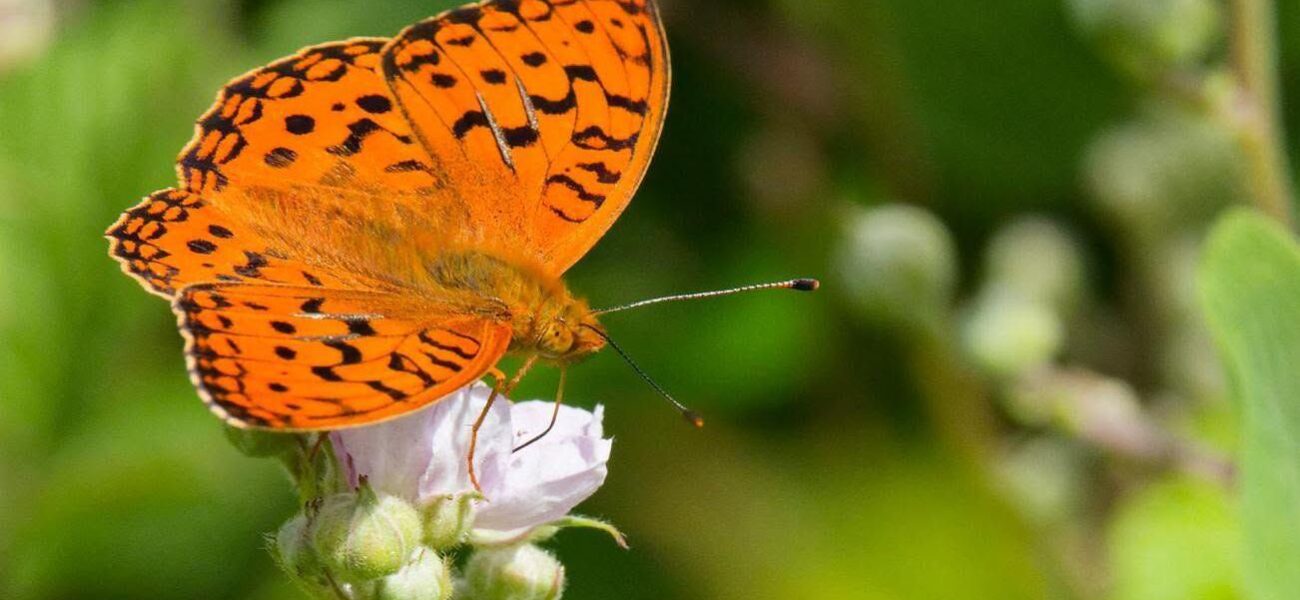
Britain, an island nation that prides itself on both heritage and progress, finds itself in the curious position of turning back the clock—not just a few years, but centuries. The High Brown Fritillary, a dazzling orange — and brown butterfly, is facing an existential tightrope walk. Its numbers have plummeted catastrophically; we’re talking a stark decline of over 95% across its traditional UK habitats since the 1970s, according to data compiled by Butterfly Conservation. It’s a statistic that speaks less of gentle decline and more of an outright environmental catastrophe, the quiet kind nobody tweets about.
Historically, the pastoral mosaic of damp woodlands and sun-drenched clearings that these delicate insects required was maintained by traditional, low-intensity grazing regimes. But then came agricultural modernization—big farms, bigger machines, monoculture, and chemical dependence. And the cows, the slow-moving, four-legged landscape architects, largely vanished from these specific, often marginal, lands. Nature abhors a vacuum. It gets messy fast.
Dense scrub choked out violet plants, the sole diet of the Fritillary caterpillar. Tree canopy closed in. The subtle interplay of light and shadow, the specific sward structure where butterflies laid their eggs, it all just disappeared. Land managers tried to intervene. Sometimes, they’d deploy human volunteer armies with scythes and strimmers, attempting to replicate the meticulous, meandering impact of a herd. But humans, bless their well-meaning hearts, can’t quite achieve the same natural, undulating heterogeneity. They’re too tidy, too consistent.
Enter the return of what conservationists now fondly call ‘conservation grazing’. It’s not revolutionary; it’s simply a recognition of what worked for millennia. Hardy, often native, breeds like Belted Galloways or Longhorns are turned out onto these relict Fritillary habitats. Their job isn’t to produce maximum milk or prime beef; it’s to eat. To browse, to trample, to break up the dense canopy, to create sunny, sheltered glades, and, yes, to fertilize with their dung.
It’s an agricultural strategy where the output isn’t tonnage, but biodiversity. The cows, it turns out, don’t read scientific papers; they just instinctively craft the habitat these particular butterflies desperately need. [QUOTE_PLACEHOLDER] commented one conservation expert, their tone almost bewildered by the simplicity. But then again, the most elegant solutions often are simple, aren’t they?
The policy implication here isn’t just about insects. It’s about recognizing the intricate, often overlooked, role of human activity—and inactivity—in shaping landscapes. It’s a subtle acknowledgement that sometimes, our technological leaps forward necessitate a thoughtful step back, or perhaps sideways, into methods our ancestors knew well. It’s a kind of pragmatic traditionalism, if you will, driven by necessity.
This particular policy doesn’t always go down easy. It challenges some contemporary farming ideals, especially those obsessed with yield — and efficiency above all else. But it presents a stark, undeniable case for subsidizing ecological functions, not just agricultural commodities. For regions like Balochistan, Pakistan, grappling with similar environmental degradation—often exacerbated by unchecked resource extraction or shifting agricultural practices—there’s a peculiar, distant resonance here. Just like the UK’s High Brown Fritillary, Pakistan’s unique Markhor goat population, another indigenous species crucial to its ecosystem balance, relies on specific, carefully managed grazing landscapes, often under threat from competing land uses or poorly conceived development. And when local ecosystems fray, it isn’t just wildlife that suffers; it’s the very fabric of human communities connected to those lands.
This isn’t to say that British cows hold the secret to Pakistani ecological resilience, of course. That’d be daft. But the underlying principle—that low-impact, traditionally attuned land management can deliver disproportionately high ecological benefits, and that policy needs to reflect this nuance—it’s universally applicable. We’re talking about acknowledging the complex symbiosis between human presence — and wild ecosystems. Because when that relationship goes awry, even the smallest creatures, like a butterfly that once danced in abundant meadows, start sending out distress signals that reverberate through the entire natural order.
What This Means
The saga of the Fritillary and the cows isn’t merely a quaint countryside anecdote; it’s a policy blueprint masquerading as natural history. For starters, it screams for targeted environmental subsidies that reward ecological outcomes, not just agricultural production volume. Policymakers should be keenly observing these micro-scale conservation wins, understanding their economic efficiency. Investing in traditional, nature-based solutions often proves far more cost-effective and resilient than high-tech fixes or perpetual crisis management. But, it takes a cultural shift—a recognition that economic value isn’t solely in harvestable goods, but in healthy ecosystems. And that’s a tough sell when quarterly reports dominate boardroom chatter. We’re looking at a need for cross-sector collaboration—farmers, environmental agencies, land trusts, and even economists—to craft nuanced land-use policies. This strategy suggests a viable pathway to reconcile agriculture with conservation, a perennial challenge in densely populated nations. Also, this type of localized, often low-cost, nature-based solution offers a compelling, pragmatic model for developing economies—including those across South Asia. They could implement similar strategies using their own indigenous livestock breeds and traditional land management techniques, bolstering biodiversity while maintaining local livelihoods. It isn’t just about saving butterflies; it’s about acknowledging an overlooked, understated lever of genuine ecological and economic resilience in a world desperate for both.