
As Wildfires Scorch California’s Deserts, Policy Battles Burn Hotter
POLICY WIRE — Los Angeles, United States — Forget the glamour, the glitz, the sun-kissed beaches Los Angeles typically markets to the world. Right now, what’s grabbing headlines is the parched,...

POLICY WIRE — Los Angeles, United States — Forget the glamour, the glitz, the sun-kissed beaches Los Angeles typically markets to the world. Right now, what’s grabbing headlines is the parched, desolate expanse of its high desert, ablaze once again. It’s not just a fire; it’s a bellwether, a crackling signal that our grand policy narratives—from energy independence to urban development—are simply not keeping pace with an planet intent on rewriting the rules.
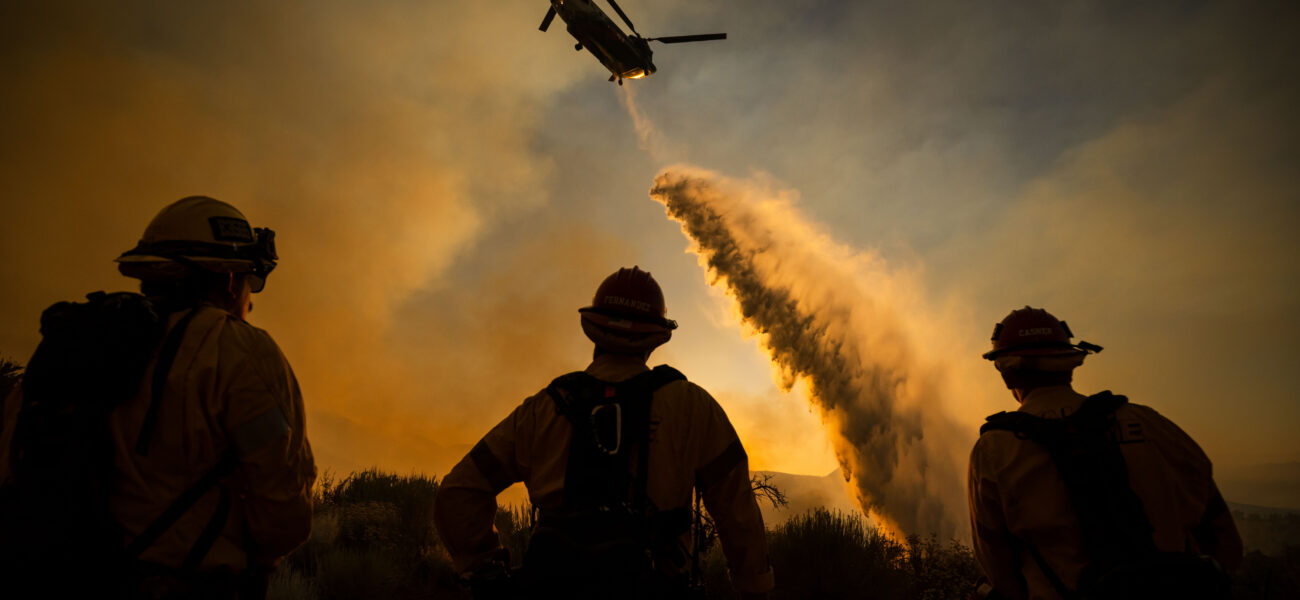
The situation isn’t just bad, it’s a recurring, grim tableau. Out there, on the edges of one of the globe’s wealthiest economies, a rapidly growing wildfire in Los Angeles County prompts evacuations in remote high desert. These aren’t isolated incidents anymore; they’re the new normal, painting our skies orange and forcing folks from their homes with alarming regularity. It’s a relentless, creeping expansion of wildland urban interface issues, pushing humanity further into territories nature was clearly meant to manage itself. [QUOTE_PLACEHOLDER]
And so, we find ourselves, year after year, watching the plumes ascend. The spectacle of choppers dumping water, the desperate scrambles for possessions, the hurried exits from what were once considered safe havens—it all feeds into a bigger story. A narrative of resource allocation gone awry, of communities designed without proper foresight, and perhaps most inconveniently, of a global climate that just won’t be ignored, no matter how many talking heads wish it away. We’re essentially rearranging deck chairs on the Titanic, only the ship is dry kindling, and the icebergs are made of carbon emissions.
It’s not just the immediate chaos. Consider the economic ripple effect, for example. Millions, often billions, in fighting costs, property damage, long-term health issues from smoke inhalation—it’s an invisible tax on everyone, especially those taxpayers furthest from the blaze itself. Then there’s the psychological toll on these communities, living under perpetual threat. But we often ignore it. Out of sight, out of mind, right?
Globally, similar battles rage—often with even more devastating human impact. Just look at regions like Pakistan, which routinely grapple with extreme heatwaves — and unprecedented monsoon flooding. These events displace millions and utterly decimate infrastructure, often with far fewer resources to mount a defense or recover. The annual economic cost of extreme weather events and natural disasters has, in the last decade, averaged an astounding $200 billion worldwide, according to reports from entities like the UN Office for Disaster Risk Reduction. California’s fire season, for all its local drama, is just one grim chapter in this global saga, a grim warning of what the future holds for increasingly stressed populations everywhere.
This isn’t about blaming individuals for a bad turn of events. It’s about systemic policy failures — and an alarming complacency towards predictable outcomes. We’ve been talking about climate change — and its consequences for decades. Yet, when the inferno descends, we react as if surprised, despite every scientific model having screamed warnings from the rooftops for generations. It’s a kind of selective amnesia, isn’t it? Or maybe it’s just plain inertia, driven by short-term political gains.
But when you’re looking at property values dropping faster than stock in a failing startup, or the rising cost of insurance pushing middle-class families out of perfectly good neighborhoods, things start to get personal. Because these are direct consequences of our collective hesitation. It’s a harsh economics lesson, delivered via fire — and smoke.
What This Means
The Los Angeles County wildfire isn’t an isolated emergency; it’s a stark, public policy conundrum—a symptom of deeper structural vulnerabilities. Politically, the recurring crises will intensify calls for greater investment in resilient infrastructure and preventative land management. Expect an escalating blame game between federal, state, and local agencies over resource allocation and preparedness, possibly leading to some fierce legislative battles for funding. Economically, insurance markets in fire-prone regions will continue to tighten, pushing premiums sky-high or even making coverage unattainable, which in turn devalues real estate. It’s an unfolding real estate crisis for swathes of California. You can bet your bottom dollar on that. Property owners, homeowners’ associations, and developers will increasingly lobby for — or against — stricter building codes and development restrictions in hazardous zones.
This event also underscores the geopolitical implications of climate change. Countries, especially developing nations, often lack the economic muscle to mitigate similar environmental disasters. The inability to cope internally can exacerbate existing instabilities, spur migration, and strain international aid budgets—think about Khartoum’s Stark Ultimatum or the broader impacts on vulnerable populations. America’s struggle with wildfires, while managed with vastly more resources, serves as a high-visibility, albeit privileged, cautionary tale. Our domestic policy failures on climate inevitably feed into our global policy challenges. They can’t help but. If a developed nation like the US strains to adapt, what does that signal for nations with fewer fiscal buffers and more extreme climates? It signals trouble, folks. Big trouble.