

Draft Day Gambit: Houston Bets Big on Small-Town Arm, Economy Shifts Beneath the Mound
POLICY WIRE — New York, United States — Forget the glamour, the flash, the Hollywood sheen you think the MLB Draft radiates. It’s mostly just grown men in a room, numbers ticking across screens, and...

POLICY WIRE — New York, United States — Forget the glamour, the flash, the Hollywood sheen you think the MLB Draft radiates. It’s mostly just grown men in a room, numbers ticking across screens, and a profound gamble playing out with millions, careers, and franchises on the line. But then there’s Jack Radel. A name that just weeks ago wouldn’t have registered beyond scouting circles, now he’s tethered to the struggling Houston Astros – an organization that’s clearly desperate for fresh blood.
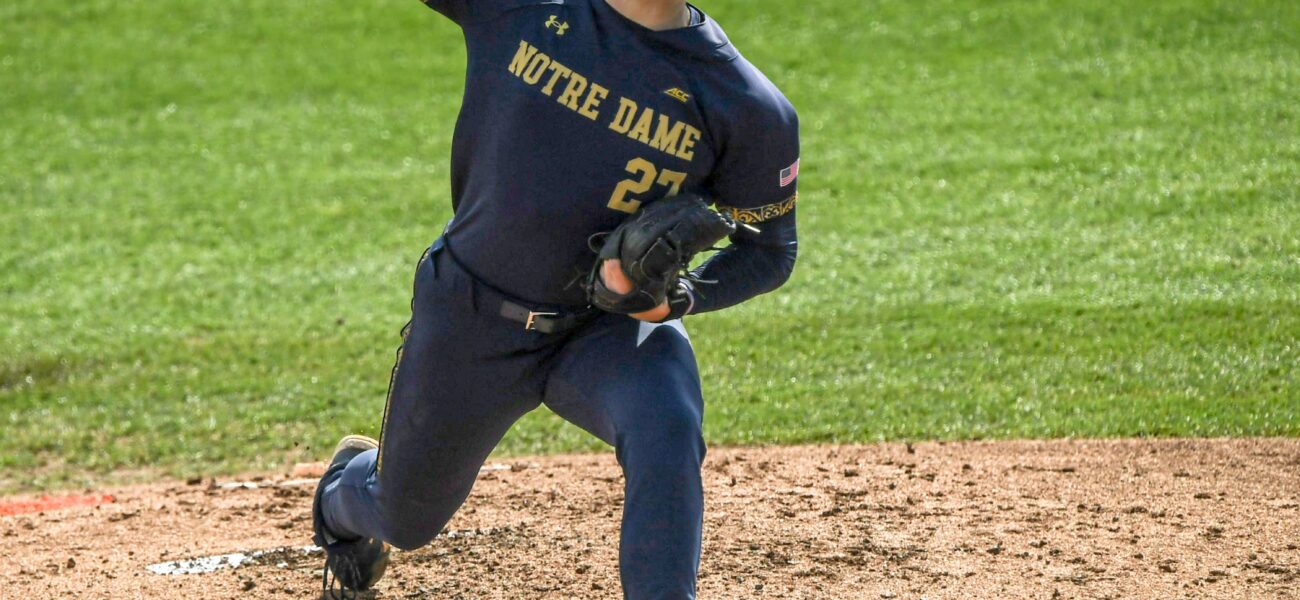
They plucked the former Sioux Falls Roosevelt sensation, an understated right-hander, with the 28th overall pick in the 2026 MLB Draft. Twenty-eighth! That’s a first-round ticket to potential riches, a staggering vote of confidence from a franchise currently limping through its season, sitting a paltry 46-50. This isn’t just about baseball; it’s about shrewd (or maybe frantic) corporate strategy, an organizational thirst for revival. The Astros’ farm system, mind you, was ranked No. 29 by MLB Pipeline before the season kicked off, a dismal reflection of their talent pipeline – and probably why they’re now gambling so heavily on collegiate arms.
Radel, a product of Notre Dame’s competitive ACC program, tossed 211 innings during his college career, culminating in an ace-level 3.29 ERA across 87.2 innings this season. He whiffed 116 batters. That’s serious stuff. First Team All-ACC, Third Team All-American. He’s got the accolades, doesn’t he?
“We see Radel not just as an arm, but as a potential anchor for our rotation a few years down the line,” explained Astros General Manager Dana Brown, his voice a calculated monotone, devoid of much discernible enthusiasm. “It’s a belief in his collegiate development, absolutely. And his makeup? We like what we see. We truly do.” Brown, famously, rarely tips his hand, but his quiet confidence often masks a deep-seated strategic conviction. For Houston, a franchise historically built on homegrown pitching, it’s a reversion to form.
And Radel isn’t the first from Sioux Falls Roosevelt to catch the league’s eye, either. Just last year, Marcus Phillips, a former teammate — they even played Little League together, reaching Williamsport in 2017 — went 33rd overall to Boston. There’s something in that Midwestern dirt, perhaps, or maybe just a potent, concentrated dose of grit that produces this kind of talent. The economic landscape of developing such talent, however, is a world away from the emerging sporting ecosystems of places like Pakistan.
Consider the raw resources and financial investments needed to sculpt an MLB-ready pitcher in a smaller American city versus, say, nurturing a burgeoning cricket star in Karachi. The infrastructure, the scouting networks, the millions poured into high school and collegiate sports in the U.S.—it’s just a different universe. While baseball may not hold sway in the Muslim world the way cricket or football does, the underlying currents of talent identification and global investment in sports are increasingly intertwined. Players from unexpected regions, much like the improbable journey from Sioux Falls, are slowly—oh, so slowly—finding their way onto international stages. But the paths? They’re radically disparate.
📄 POLICY WIRE WHITEPAPER PUBLISHED: PAKISTAN'S NATIONAL SECURITY POLICY PRIORITIES
👉 READ BY CLICKING HEREDr. Usman Sharif, a sports economist focusing on emerging markets, weighed in, “This Radel pick highlights the hyper-localization of U.S. scouting combined with astronomical financial incentives. You see players making seven figures straight out of college here. In contrast, talent pipelines in South Asia, while deep, often lack the institutional funding and exposure needed to monetize that talent on a similar scale globally.” It’s about more than just throwing a ball, isn’t it? It’s about access, privilege, — and the sheer capital driving American professional sports. It’s a machine built on aspiration, churning out millionaires – for now.
What This Means
This isn’t just a story about a baseball player, really. It’s a microcosm of American capital at play. The Houston Astros, an organization in need of a competitive jolt, has opted for a high-ceiling, relatively safe collegiate arm over a riskier, albeit potentially higher-reward, high school pick. This decision signals a push for stability in a shaky season – a classic corporate maneuver to mitigate current losses with future assets. Radel’s signing bonus, likely in the low seven figures, isn’t just a payday for him; it’s an economic injection into his immediate community, even if indirectly. But it also represents the immense economic chasm between established, cash-rich American sports leagues and developing sporting infrastructures elsewhere.
The reliance on specific collegiate pipelines for immediate impact reflects a short-term pressure valve for teams floundering in a competitive division. From an economic perspective, drafting a polished college pitcher offers a faster return on investment than a raw high school prospect, reducing the latency before a player can contribute at the big league level. And for Radel? It’s a fresh contract, a chance at the big leagues, and the start of a whole new career—a truly diamond dream in a corporate reality.