


Diamond Kings and Market Metrics: Dodgers’ Precarious Gamble on Injured Superstars
POLICY WIRE — Los Angeles, USA — It isn’t just a game; it’s a meticulously managed asset portfolio, where multi-million-dollar limbs are balanced against quarterly performance targets....

POLICY WIRE — Los Angeles, USA — It isn’t just a game; it’s a meticulously managed asset portfolio, where multi-million-dollar limbs are balanced against quarterly performance targets. When the Los Angeles Dodgers took to the field this Saturday, July 11th, for their second tangle with the Arizona Diamondbacks, the lineup offered a stark lesson in modern sports economics: how do you deploy your most valuable, yet physically fragile, capital? Particularly when a designated rest day isn’t really a rest day at all.
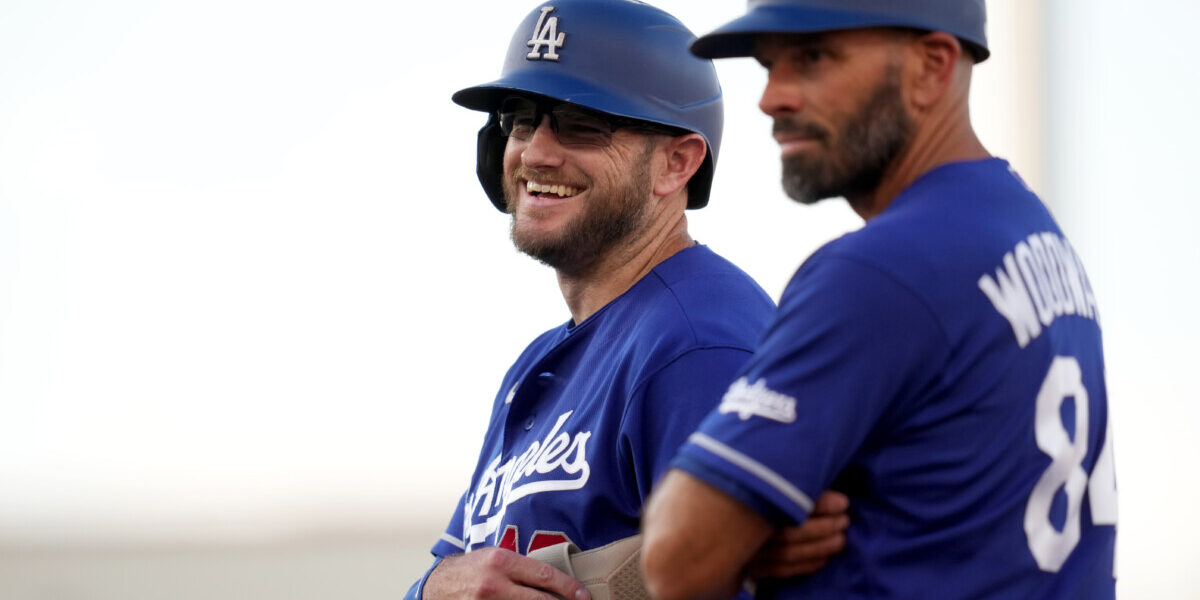
Consider Max Muncy. He’s back in the batting order, sure, but calling it a ‘return’ after a brief reprieve barely scratches the surface. The man’s been absorbing a steady diet of punishment this season—’getting banged up,’ as they say in the business. And now, he’s headed for the All-Star Game, stripping away any real prospect of convalescence. There’s no soft landing in this league, only the next revenue opportunity, the next critical at-bat. But it’s this brutal efficiency that drives a global industry, echoing the pressures felt in, say, Pakistan’s booming textile industry, where worker output is ceaselessly measured against export demands; human capital, wherever you find it, gets optimized.
Then there’s Shohei Ohtani, the crown jewel. He pulled himself off the mound on Friday due to a knee tweak, yet his bat, an unmissable part of the Dodgers’ valuation, stayed put. It’s an act of calibrated risk—keeping your prime asset in play even when it’s slightly hobbled, hoping the output outweighs the long-term wear. Because let’s be honest, Ohtani isn’t merely a player; he’s an entire economic zone of endorsement deals, viewership metrics, and global brand recognition. He’s arguably the sport’s greatest investment, with an estimated value, considering his two-way impact and marketing potential, hovering north of half a billion dollars over the lifetime of his deal. That’s no small sum, not when you compare it to the entire national sports budgets of smaller nations. The team’s leveraging a fragile commodity, hoping for sustained, unparalleled output.
“We’re running a competitive enterprise here,” said Dodgers President of Baseball Operations Andrew Friedman, his voice carrying the calm assurance of a man analyzing a particularly complex spreadsheet. “Every single component, from individual player health to lineup construction, is meticulously weighed against our seasonal objectives. You don’t park a supercar if it’s still running, even with a minor rattle.” His comments, though framed for a sports beat, could easily apply to managing any multinational corporation’s key executive. They don’t just play ball; they play asset allocation.
The specific tactical chess match of the day involved facing Brandon Pfaadt, a right-hander whose 4.84 ERA has him ping-ponging between starter and reliever roles, a kind of contingent labor in baseball terms. This meant a heavy dose of left-handed power for the Dodgers: Muncy, Freddie Freeman, Ohtani. Andy Pages, trying to bottle up whatever magic he uncorked the night before, also slots in. But these aren’t just names; they’re algorithms in motion, tailored to exploit a perceived weakness in the opposition’s industrial apparatus.
And on the other side of the diamond, Arizona Diamondbacks Manager Torey Lovullo offered a pragmatic view of his daunting task. “Facing a lineup with that kind of star power, even with a few limping giants, still makes you tread carefully,” he remarked, his tone a mix of weary respect and tactical resignation. “It’s like trying to navigate a minefield; you know what the stakes are, you just hope they don’t detonate on your watch.” Lovullo understands that even a slightly impaired titan is still a titan.
📄 POLICY WIRE WHITEPAPER PUBLISHED: PAKISTAN'S NATIONAL SECURITY POLICY PRIORITIES
👉 READ BY CLICKING HEREAfter Friday’s bullpen scrum, the Dodgers wheeled out their ace, Yoshinobu Yamamoto. The Japanese phenom, once a riddle, has found his groove. He’s been amazing, as they say, since his command tightened up, registering a pristine 2.49 ERA over 16 starts and 104.2 innings. Hitters? At his mercy, they’re, when he’s really ‘painting.’ Arizona may have scratched out runs against a bullpen on the fritz, but that particular indulgence? Don’t count on it against Yamamoto. His performance is a reliable revenue stream.
What This Means
This isn’t just about baseball; it’s a microcosm of the modern hyper-commercialized world, where everything, even a player’s sinews, becomes a quantifiable, tradable asset. The Dodgers’ predicament—balancing an injured Muncy and a limping Ohtani—reflects a broader economic tension: how much can you extract from your prime investments before they buckle? For emerging economies, say in South Asia, the model holds: invest heavily in strategic assets (infrastructure, tech startups), but monitor their sustainability and global competitive advantage constantly. The economic currents driving MLB’s superstar valuations are indistinguishable from those guiding international finance—it’s all about yield and risk management. Player ‘load management’ becomes ‘human capital optimization,’ a principle applicable everywhere from a bustling factory in Bangladesh to the meticulously plotted roster moves of an MLB dynasty.