


Japan’s Unseen Footpaths Offer Antidote to Over-Tourism, Challenging Global Heritage Models
POLICY WIRE — Tokyo, Japan — Forget the digital clamor, the endless queues for a fleeting selfie, the predictable itinerary mapped out by algorithms designed to maximize transient delight. We’re so...

POLICY WIRE — Tokyo, Japan — Forget the digital clamor, the endless queues for a fleeting selfie, the predictable itinerary mapped out by algorithms designed to maximize transient delight. We’re so often chasing manufactured moments, aren’t we? It’s what most of the globe’s tourists do these days. But a quiet, deliberate counter-narrative is unfolding in Japan, one that offers not just an escape from the Instagram-driven circus but also a compelling blueprint for what authentic cultural engagement—and sustainable local economics—could look like.
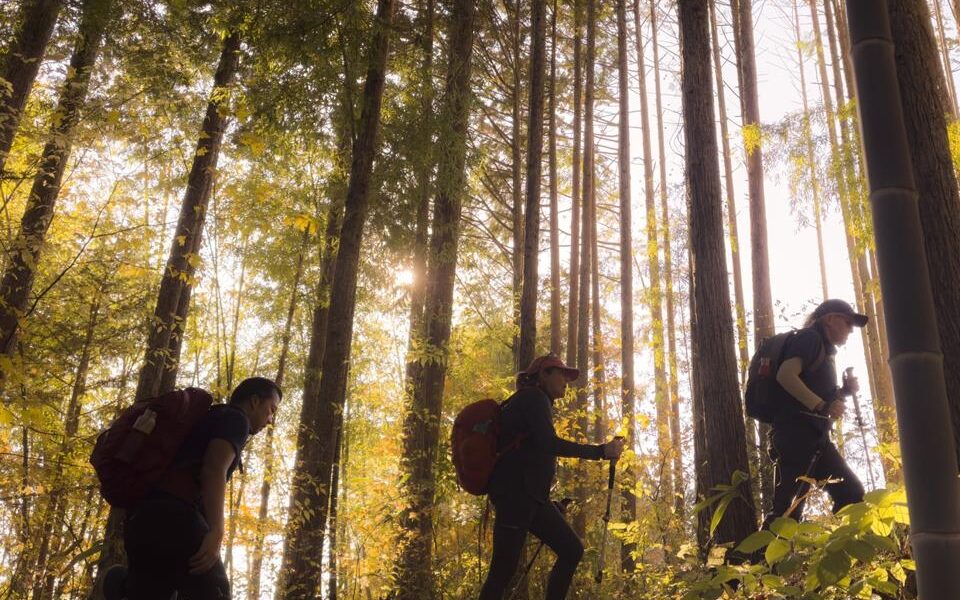
It’s not about Shibuya Crossing or Mount Fuji’s summit packed with tour groups; it’s about the miles of worn earth tracing histories etched into Japan’s often-forgotten backcountry. Think paths like the Shikoku Pilgrimage or the ancient Kumano Kodo—routes that aren’t merely hikes, they’re journeys through spiritual landscapes, punctuated by Shinto shrines and Buddhist temples that have witnessed centuries tick by. You don’t just see them; you experience them, often in quiet solitude. That’s a different beast entirely from ticking off a bucket list.
Because, let’s be honest, the tourism sector has become a glutton for sheer numbers. Governments chase visitor counts like they’re the only metric that matters, often at the expense of local communities and the very cultural fabric tourists supposedly come to appreciate. In many corners of the world, it’s a zero-sum game, leading to places feeling less like destinations and more like amusement parks.
“We’ve got to confront this ‘fast food’ approach to tourism head-on,” asserts Professor Kenji Tanaka, director of the Kyoto Institute for Cultural Preservation, during a recent panel discussion. “These ancient trails aren’t just lines on a map; they’re arteries of our heritage. We’re not selling pretty pictures; we’re inviting a deeper understanding. It’s slow tourism, yes, but it builds genuine bridges and helps sustain rural economies that were, frankly, struggling.” And that’s something worth thinking about.
The numbers bear him out. Last year alone, Japan recorded nearly 32 million international visitors, a stunning rebound, but only a fraction—around 2.5%—engaged in multi-day cultural walking experiences outside major urban centers, according to the Japan National Tourism Organization. Yet, this small contingent contributes disproportionately to local businesses, fueling traditional guesthouses, artisan shops, and regional culinary spots.
This contrasts sharply with, say, the struggle for similar initiatives in parts of South Asia. In Pakistan, for instance, ancient Buddhist Gandhara sites—historical waypoints on the original Silk Road—hold immense, yet largely untapped, potential. While Japan pours resources into infrastructure and marketing for its spiritual paths, regions like Gandhara face hurdles from funding to security perceptions, hindering development that could revitalize their local communities and project a softer image of national identity. It’s a similar story for other ancient trading routes in the Muslim world, where cultural preservation often grapples with geopolitical instability and underinvestment. Soft power plays aren’t just about diplomacy; they’re about how you curate your past for the future.
📄 POLICY WIRE WHITEPAPER PUBLISHED: PAKISTAN'S NATIONAL SECURITY POLICY PRIORITIES
👉 READ BY CLICKING HERE“Our ancient routes provide an economic engine for places most travelers never see, connecting them directly to the global cultural commons without diluting their essence,” stated Mariko Okamura, Deputy Director of Japan’s Agency for Cultural Affairs, speaking from her Tokyo office. “It’s about pride, about keeping traditions alive, — and frankly, about demonstrating a model of responsible engagement. We’re not just selling a trip; we’re sharing a legacy, responsibly.” They’re careful about that balance.
What This Means
Japan’s subtle pivot towards its authentic, ancient pathways isn’t just a win for peace-seeking tourists; it’s a potent policy lesson. For governments grappling with the pitfalls of mass tourism—from environmental degradation to cultural commodification and local resentment—it presents a viable, albeit less instantly gratifying, alternative. The economic implications are clear: instead of revenues being siphoned off by global chains in urban hubs, investment flows directly into historically marginalized rural communities. This isn’t just about income; it’s about social cohesion, demographic stability, and bolstering local crafts and services that might otherwise vanish.
But the political angles stretch further. A nation’s narrative is, after all, a form of storytelling. By emphasizing deep historical immersion over superficial spectacle, Japan strengthens its cultural diplomacy, presenting itself not just as an economic powerhouse or technological leader, but as a keeper of ancient wisdom and traditions. This approach elevates cultural heritage from a mere attraction to a strategic national asset, capable of building long-term goodwill and understanding. It pushes back against the global homogenization of travel, reminding everyone that real richness lies in diversity and depth—a stark contrast to the quick-hit dopamine chase of conventional tourism.