

Wellington’s Geopolitical Waltz: New Zealand Tilts Towards Delhi in Indo-Pacific Gambit
POLICY WIRE — Wellington, New Zealand — Somewhere between its bucolic image and its fiercely independent foreign policy history, New Zealand made a calculated pivot. It wasn’t loud. It...

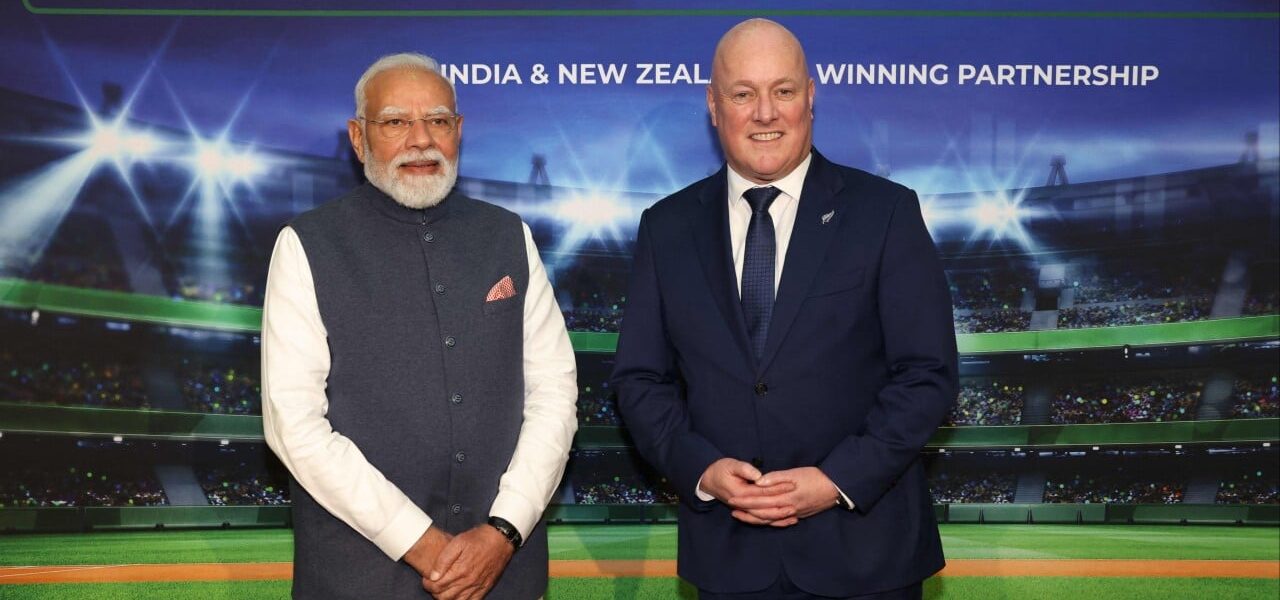
POLICY WIRE — Wellington, New Zealand — Somewhere between its bucolic image and its fiercely independent foreign policy history, New Zealand made a calculated pivot. It wasn’t loud. It wasn’t adorned with grand speeches about saving the world, no. But when Prime Minister Christopher Luxon wrapped a Maori ceremonial cloak around India’s Narendra Modi during a visit—a potent symbol of cultural reverence—it signaled something far weightier than mere bilateral courtesies. We’re talking about a quiet, strategic realignment that few saw coming, but which carries outsized implications for the volatile Indo-Pacific region.
Because frankly, Wellington isn’t just selling lamb and Sauvignon Blanc anymore; it’s staking its claim in a rapidly recalibrating geopolitical landscape. The two nations formally cemented a strategic partnership this past week, bundling defense, security, and previously signed free-trade ambitions into a tidy, formidable package. For a nation historically reticent to explicitly pick sides, especially when bigger players flex their muscle, this move — shepherded by a conservative government keen on economic growth — speaks volumes.
Modi, on the tail end of an exhaustive six-day regional swing that had him touching down in Jakarta and Canberra, arrived in New Zealand’s capital to pomp and carefully orchestrated smiles. And why wouldn’t he? For Delhi, this pact helps cement its ‘Act East’ policy, extending its strategic tendrils further into Oceania, countering perceived regional imbalances without directly naming antagonists. It’s a deft bit of diplomacy.
Prime Minister Luxon, ever the pragmatist, wasn’t shy about the stakes. “This partnership, it’s pragmatic, isn’t it?” he quipped to reporters, ever so subtly adjusting his tie. “Our economic future, our security—they’re inextricably linked to the region’s stability. And frankly, we can’t afford to be mere observers any longer. We’re a trading nation, — and secure seas mean secure prosperity for our people.”
On the other side of the polished mahogany, Prime Minister Modi echoed the sentiment, albeit with his characteristic, more sweeping rhetoric. “The future of the Indo-Pacific—indeed, the future of global stability—hinges on the strength of partnerships grounded in democratic values,” Modi articulated, his gaze unwavering. “We’re not just building trade; we’re fortifying a vision of a free and open region for all nations, from Delhi to Auckland.”
But let’s be real: this isn’t just about shared democratic principles. This is about leverage. For New Zealand, it’s hedging its bets as China’s shadow lengthens across the South Pacific. For India, it’s another crucial knot in the ever-tightening net of alliances designed to contain — or at least counter-balance — Beijing’s rising influence, a diplomatic maneuvering that constantly shifts the regional calculus for nations like Pakistan, watching with wary eyes as Delhi expands its global footprint and defense collaborations. Pakistan, historically intertwined in regional security concerns with India, can’t ignore its rival’s expanding strategic orbit, which only adds another layer of complexity to an already tense neighborhood.
📄 POLICY WIRE WHITEPAPER PUBLISHED: PAKISTAN'S NATIONAL SECURITY POLICY PRIORITIES
👉 READ BY CLICKING HEREThe numbers don’t lie. India, already the world’s fifth-largest economy and projected to surpass Germany and Japan by 2030 (source: S&P Global), offers a colossal market. The April free-trade pact is a precursor to integrating Wellington’s agricultural heft into India’s vast consumer base, and vice-versa for tech and services. Trade, after all, oils the wheels of strategic alignment.
Some critics, mostly from opposition benches, mutter about New Zealand ceding its independent voice, but the government brushes it off. They’re betting that a seat at the bigger table is better than remaining an amiable spectator, watching tectonic plates grind against each other from the sidelines. It’s a calculated risk, trading some perceived autonomy for a perceived increase in security — and economic clout.
The geopolitical undercurrents run deep. You see a similar proactive approach in Europe’s Silent Battle against China’s economic dominance, and even in Canada’s discussions around defence spending transparency as Western allies grapple with collective security needs. Everybody’s making choices. New Zealand just made a rather bold one.
What This Means
This strategic embrace between Wellington and Delhi is more than a handshake deal; it’s a significant marker of how rapidly global alignments are shifting in response to China’s burgeoning power. Politically, New Zealand is explicitly signaling its comfort in a security architecture that places India as a key player in the Indo-Pacific. This bolsters India’s growing confidence on the world stage and provides a credible alternative (or supplement) to traditional Western-centric alliances. Economically, the move promises market diversification for New Zealand beyond its usual trading partners, potentially cushioning against future economic shocks and expanding export opportunities, especially in high-value agricultural products and possibly nascent tech sectors. For the wider region, it reinforces the narrative of a multilateral Indo-Pacific framework emerging, less about singular hegemons and more about a web of interlocking security and economic interests, even if driven by a shared apprehension. It complicates calculations for smaller Pacific island nations, too, who now see an additional, formidable player on their doorstep. This isn’t just about today’s headlines; it’s about reshaping the map for tomorrow.