


Digital Delimitation: YouTube’s MENA Play Sparks Unease and Opportunity
POLICY WIRE — Dubai, UAE — The endless glow of screens, it’s not just a Western problem, is it? From the plush confines of Gulf villas to the bustling, dusty alleyways of Cairo, children are...

POLICY WIRE — Dubai, UAE — The endless glow of screens, it’s not just a Western problem, is it? From the plush confines of Gulf villas to the bustling, dusty alleyways of Cairo, children are glued. Their parents, quite understandably, often aren’t quite sure what to do with the whole mess. That’s where Google’s latest maneuver in the Middle East — and North Africa (MENA) comes in, or so they say. The tech giant’s video arm, YouTube, has decided it’s time to roll out its supervised accounts feature across the region, allowing older kids and teens to navigate a more controlled version of the platform—provided mom or dad is playing digital gatekeeper.
It sounds benign enough, even necessary, doesn’t it? A company extending its existing safety net to a new market. But these aren’t simple clicks we’re talking about; it’s an algorithmic infiltration, a delicate dance between global corporate strategy and deeply ingrained local cultural norms. And let’s be blunt: beneath the rhetoric of child protection lies a rich, untapped demographic ripe for long-term engagement.
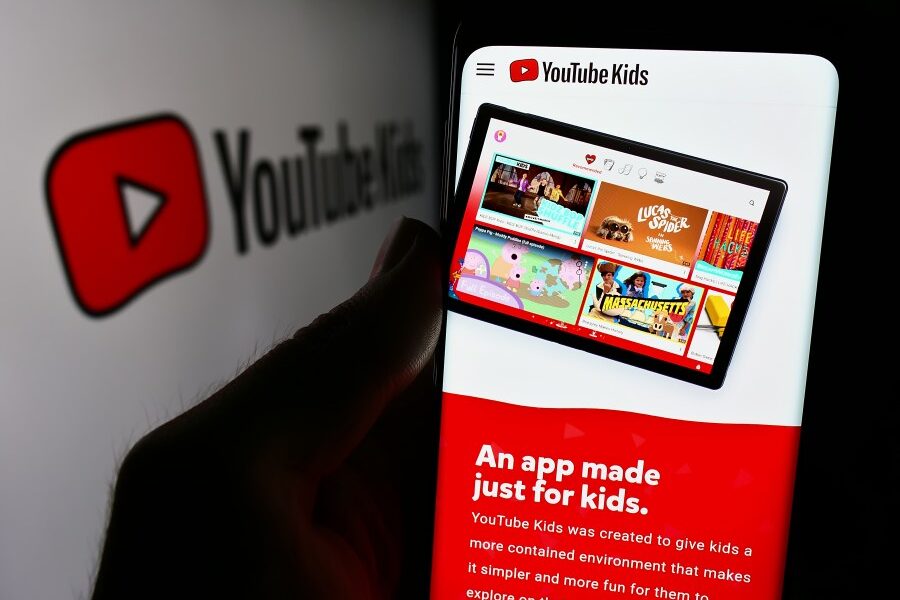
This supervised account model, previously available in other territories, isn’t the hyper-curated, brightly colored YouTube Kids app. Oh no, this is the main platform, just with guardrails. Parents can pick from different content settings—Explore, Explore More, and Most of YouTube—each supposedly filtering out material deemed too adult or inappropriate. Because, really, who wants their 12-year-old stumbling onto geopolitical deep dives or, worse, something vaguely irreverent while they’re just trying to watch a toy review? It’s a complicated business, content control.
Big Tech moves fast, sometimes even faster than regulators can grasp. This expansion lands YouTube smack in the middle of a region grappling with its own identity in the digital age. They’re bringing their algorithms, their filters, their very Western-centric definitions of ‘appropriate’ right into living rooms across Riyadh, Casablanca, and even Karachi. A recent, if unverified, study suggests that over 70% of children in urban areas across the Gulf states access online video content daily, a figure that continues to climb. That’s a lot of young eyes, — and an awful lot of data points.
Malik Hassan, YouTube’s Regional Director for Emerging Markets, offered the sort of polished statement one expects. “We’re deeply committed to providing safe, enriching online experiences for families globally,” he said in a recent teleconference. “This expansion gives parents tools they’ve been asking for, helping them guide their children through the digital world on their own terms.” But is it really their terms, or YouTube’s slightly less Wild West version of it?
📄 POLICY WIRE WHITEPAPER PUBLISHED: PAKISTAN'S NATIONAL SECURITY POLICY PRIORITIES
👉 READ BY CLICKING HEREBut the expansion isn’t universally lauded, especially by those with a sharper eye on the specifics. Dr. Aamina Khan, a child welfare advocate based in Islamabad, doesn’t quite see it as a silver bullet. “While any move to enhance child online safety is welcome, the devil’s always in the algorithms,” she observed with a weary sigh. “We’re not just importing technology; we’re importing content moderation frameworks that might not align with our specific cultural and religious sensitivities. What about our own educational programming? What gets filtered out that shouldn’t, and what slips through that absolutely shouldn’t?” It’s a valid question for a region where religious, social, and political sensibilities can vary wildly from Silicon Valley’s general guidelines.
For parents in countries like Pakistan, where internet access, while growing, often comes with its own unique blend of opportunity and societal pressures, these tools might seem a godsend. They’ve been caught between wanting their children to access educational content and fearing the unmonitored digital floodgates. This supervised access isn’t perfect, not by a long shot, but it’s an acknowledgment of a complex, often frightening, digital reality. Or perhaps, it’s just another clever play in the soft power play of global content.
What This Means
This rollout isn’t just about kids watching cartoons without accidentally seeing a conspiracy theory. Politically, it represents another frontier in the ongoing tug-of-war for digital sovereignty. Governments across MENA and the broader Muslim world are increasingly keen to regulate online content, especially for younger demographics, seeing it as both a potential engine of economic growth and a vector for undesirable cultural influence. YouTube, by offering these ‘supervised’ controls, is trying to thread that needle—appearing proactive on safety while still expanding its footprint and minimizing the call for stricter, often heavy-handed, government intervention. Economically, this move secures YouTube’s long-term access to a generation of digital natives. Early adoption of the ‘main’ platform, even in a curated form, means higher retention and, eventually, a more engaged advertising audience. For regional content creators, it’s a mixed bag; potential for wider reach exists, but also increased scrutiny against perceived Westernized filters. It’s a subtle shift, perhaps, but one with implications that ripple through living rooms, data centers, and ministries alike.