
Washington’s Stalled Promise: A Ghostly Grid Haunts Puerto Rico’s Resilience
POLICY WIRE — San Juan, Puerto Rico — The generators hum. They always hum here. It’s a low, insistent thrum that’s become the default soundtrack to island life, a mechanical pulse keeping...

POLICY WIRE — San Juan, Puerto Rico — The generators hum. They always hum here. It’s a low, insistent thrum that’s become the default soundtrack to island life, a mechanical pulse keeping clinics cool and grocery store refrigerators running. This isn’t the backdrop to some quaint Caribbean drama; it’s the stark reality of Puerto Rico’s continued struggle for basic infrastructure—a fight waged not against hurricanes anymore, but against a bureaucratic leviathan in Washington whose promised aid seems more like a phantom limb than a concrete lifeline.
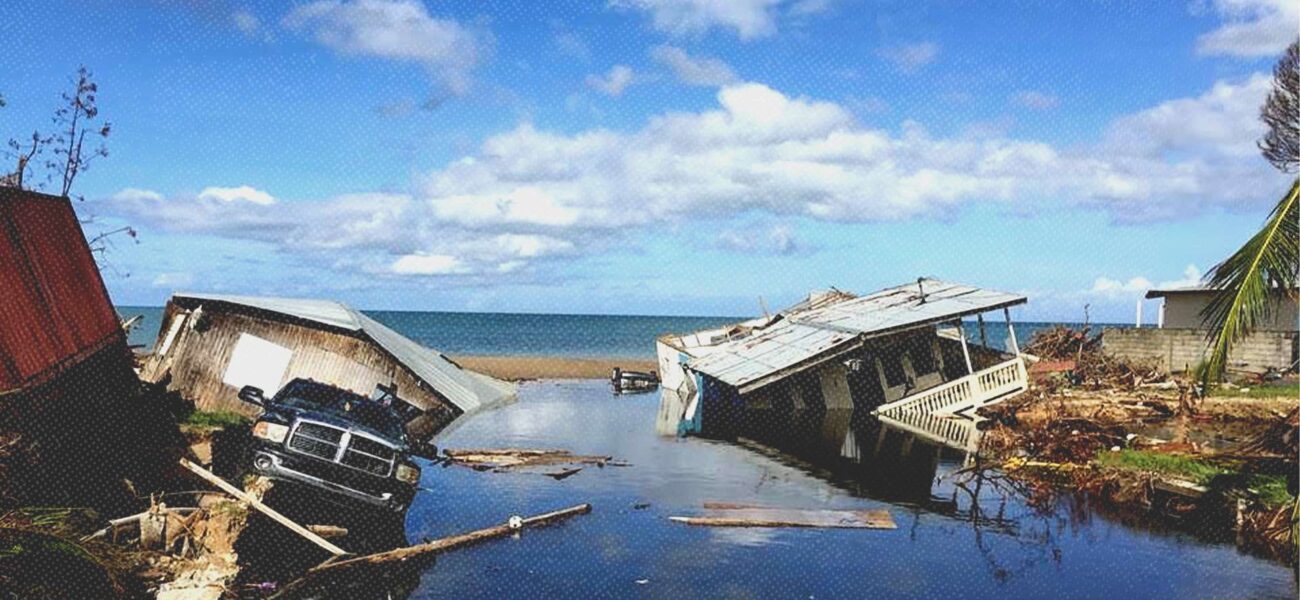
It’s been nearly six years since Hurricane Maria tore across the island, reducing its already decrepit power grid to kindling. And the response from the U.S. capital? A pledge of $14 billion—a sum that, on paper, should’ve paved the way for a gleaming, resilient energy future. Yet, most of that staggering figure, meant to transform an ancient system, remains stubbornly stuck, a fiscal mirage teasing a populace still grappling with routine blackouts. Just over two years ago, in late 2021, less than 15% of the allocated funds had actually reached on-the-ground projects, according to a Congressional Research Service report released in January 2023. This isn’t just an administrative glitch; it’s a systemic failure, a quiet but brutal assault on human dignity.
Think about that for a second. Billions earmarked. Years passed. People still without consistent power. What kind of modern economy, what kind of functional society, can you build on that kind of instability? You can’t. It’s a frustrating, frankly embarrassing, tableau that unfolds daily, not just in remote mountain villages but in the bustling streets of San Juan.
The layers of approvals, the labyrinthine contractual requirements, the sheer molasses-slow pace of federal agencies like FEMA have conspired to hold the funds hostage. For years, the U.S. government controlled virtually all aspects of Puerto Rico’s aid, creating what one local official termed [QUOTE_PLACEHOLDER] in the island’s reconstruction efforts. It’s not for lack of trying by locals, many argue; it’s an almost impossible gauntlet laid out by a distant overlord.
But the consequences are real, devastating even. Small businesses, still reeling from Maria, often face closure when the power goes out for extended periods. Healthcare providers are forced to make impossible choices. Everyday life becomes an exhausting calculation of backup plans — and dwindling resources. It isn’t a minor inconvenience; it’s an existential threat to an entire commonwealth’s progress. Because how can you attract investment, foster innovation, or simply ensure your citizens a decent standard of living when the very foundation of modern life—electricity—is a constant question mark?
This saga echoes tales from other disaster-stricken regions across the globe where vast sums are promised but delivery stalls. Take the aftermath of the 2010 Pakistan floods, for instance, a catastrophe that displaced millions. International aid pledges, robust on paper, often withered in the face of local governance challenges, corruption, and the bureaucratic quagmire of external agencies trying to impose their own frameworks on a foreign land. While the contexts are vastly different, the core pattern of massive promised aid, slow disbursement, and enduring public suffering rings unsettlingly similar.
Meanwhile, the island’s public power utility, PREPA—itself a creature of political machinations and debt—remains a skeletal organization, supposedly undergoing a transformation under a new private operator. Yet, that, too, has been plagued by disputes — and delays. They’re trying to privatize, restructure, and rebuild all at once—an economic and logistical triathlon run with cinder blocks tied to their ankles.
📄 POLICY WIRE WHITEPAPER PUBLISHED: PAKISTAN'S NATIONAL SECURITY POLICY PRIORITIES
👉 READ BY CLICKING HEREAnd where does that leave the Puerto Rican people? Caught in the middle, as always. They’re watching their politicians haggle, their federal benefactors drag their feet, and their lives dictated by the whims of a rickety grid. It’s an unsustainable model. It’s a disgrace. You can’t call yourself a superpower while simultaneously letting your own territories languish in a semi-permanent state of infrastructural emergency. They’ve earned their share of blame, no question, but Washington’s paralysis isn’t just neglecting an island; it’s actively eroding faith in its own system.
But what if Washington is, perhaps subconsciously, leveraging this dependency? It’s not a conspiracy, but an observable outcome. Continued grid instability limits economic autonomy. It perpetuates a need for federal handouts. It’s a very messy, often unspoken, power dynamic. The Puerto Rican power grid, then, becomes less a technical challenge and more a political symbol, a tangible representation of its colonial bind. Policy paradox, indeed, that billions promised for recovery perpetuate dependence.
What This Means
The continued stasis of Puerto Rico’s power grid funding isn’t just a domestic issue; it’s a profound statement on Washington’s efficacy, or lack thereof, in handling large-scale infrastructural aid, even within its own sphere of influence. Economically, this translates to chronic underdevelopment for Puerto Rico, stifling any genuine post-disaster economic renaissance. Businesses won’t invest heavily where basic utilities are unreliable, forcing a talent drain and deterring much-needed foreign capital. Politically, it exacerbates the long-simmering resentment toward federal oversight, reinforcing the perception of second-class citizenship for a population that, for all intents and purposes, lacks meaningful representation. For observers in developing nations or regions like South Asia and the broader Muslim world, where post-disaster aid and infrastructure challenges are unfortunately familiar, this provides a cautionary tale: grand financial promises from global powers often founder on bureaucratic shoals. It also poses uncomfortable questions about accountability. The irony is stark: America champions democracy and robust infrastructure abroad, yet struggles to deliver same to its own territories. It makes the grand pronouncements of aid elsewhere ring a little hollow.
This ongoing grid failure is less an engineering problem and more a testament to the inertia of immense governmental systems. Washington’s endless drain on resources, here translated into bureaucratic quicksand, suggests a pattern. The money’s there; it just can’t get out of the federal coffers — and into the transformers fast enough. It’s not just a lights-out scenario for Puerto Rico; it’s a dimming of faith in effective governance, a chilling message for any territory—or ally—reliant on federal largesse in times of crisis.