


Albuquerque’s ‘Extend-a-Suit’ Fiasco: Tent City By Other Means Draws Heavy Fines, No Evictions
POLICY WIRE — Albuquerque, U.S. — For folks who’ve spent a decade carving out a meager existence in what essentially became a low-rent purgatory on wheels, the City of Albuquerque just handed down a...

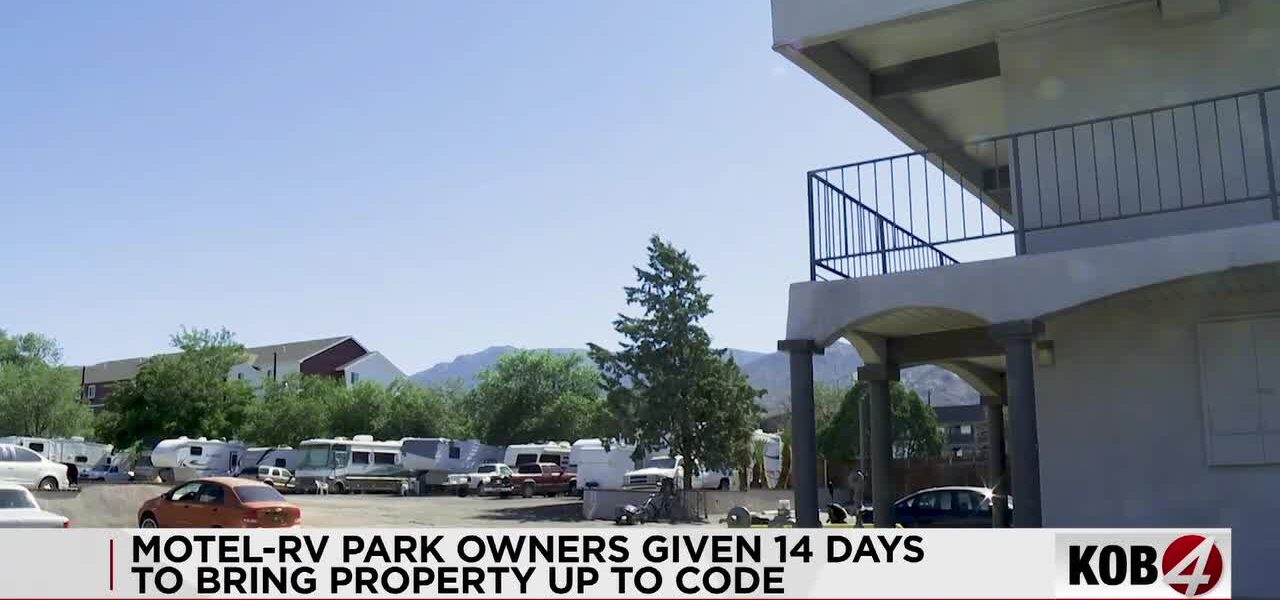
POLICY WIRE — Albuquerque, U.S. — For folks who’ve spent a decade carving out a meager existence in what essentially became a low-rent purgatory on wheels, the City of Albuquerque just handed down a curious sort of mercy. It’s a temporary reprieve, mind you, for residents of the aptly, if ironically, named Extend a Suites & RV Park on Central Avenue. Despite a litany of infractions that read more like a third-world squatter settlement than a regulated housing option in America’s fifth-largest state, nobody’s getting tossed out. Not yet, anyway.
It’s not often a municipal declaration to *not* evict hundreds of people makes bigger waves than the fact their living conditions are, by any sane measure, utterly unconscionable. But that’s the deal here. The property’s owners? They’re on the hook for a cool $14,100 in initial fines. And it doesn’t stop there. Miss the two-week deadline to fix everything from gnarly plumbing and dodgy wiring to waterlogged walls, rampant mold, and thriving infestations of bed bugs and cockroaches — seriously, they listed cockroaches — and that bill spirals another $3,500 every single day. One imagines the ledger, or what passes for it at this place, will start looking a little bleak pretty fast.
Brandy Hanlin, who’s called this place home for ten years, told reporters, “We work. We pay our taxes. We pay our rent. It’s not that we’re squatting on the property. This is an RV park. This is a long-term RV park.” She’s not wrong. But her declaration hits harder than it might initially appear, exposing the fragile reality of those barely hanging onto society’s economic fringes. Finding a new spot for an RV, Hanlin says, is simply impossible right now; it’s just too costly.
And that’s the rub, isn’t it? The city, in its infinite bureaucratic wisdom, admits it’s had this place on its radar for ages. Years. “But there had been numerous code violations over and over again going back to 2020,” clarified Albuquerque Press Secretary Dan Mayfield, trying to put some shine on the slow-motion response. “And it was just time that we had to do something about it.” Translation: The problem festered, got worse, and eventually became so putrid that even City Hall couldn’t turn its nose up anymore. The city, we’re told, has seen similar properties shuttered completely. But this one didn’t quite make that cut. “This one didn’t have some of the imminent hazards which we found at the previous hotels and motels that code enforcement shut down,” added Jeremy Keiser, the Deputy Director for Code Enforcement, explaining the subtle, yet ultimately arbitrary, distinctions between ‘dire’ and ‘absolutely catastrophic’. Oh, what a fine line.
Adding insult to injury, it turns out the joint didn’t even have the proper permits for long-term RV stays, which is kinda funny considering some folks have been parked there for a decade. “In the next 15 days, the property owner can get a permit for long-term RVs and long-term stays,” Mayfield remarked with an air of detached pragmatism. “But that’s up to the property owner to decide what they want to do.” So, the choice is theirs: clean up, pay up, or probably just sell up. That’s a gamble that impacts lives, isn’t it? Because for people like Brandy, this isn’t just a transient stop; it’s home. It’s the last viable port in a brutal housing storm.
The whole situation reeks of neglect, both private — and public. Police logs tell part of that story, citing a remarkable 69 calls for service in the past 12 months alone, for everything from theft to fraud and—you guessed it—drug use. Mayor Tim Keller, keen to portray the city as both firm and fair, offered the standard platitudes: “We want to support local businesses and give them the chance to come into compliance to become safe for customers, employees, and their neighbors.” A laudable sentiment, no doubt, but one that rings a bit hollow when considering the human cost of a business that actively allowed such decay for so long. “If their responsibilities under the law are not met, we will hold negligent property owners accountable,” Keller promised, but the residents probably heard similar pledges before.
📄 POLICY WIRE WHITEPAPER PUBLISHED: PAKISTAN'S NATIONAL SECURITY POLICY PRIORITIES
👉 READ BY CLICKING HEREIt’s a predicament not wholly unlike the struggles for basic, dignified housing found across the globe, from the informal settlements bordering Pakistan’s rapidly urbanizing Karachi to the tent cities that sometimes sprout up on the periphery of Western metropolises. For those struggling at the bottom, ‘home’ often becomes a synonym for ‘barely tolerable,’ a place defined less by comfort and more by its sheer availability. They don’t have many other options. These types of marginal housing spaces, though vastly different in scale, share a common thread: they’re the forgotten corners where neglect festers and official responses often arrive too late, or are too meek, to make a truly fundamental difference for the occupants. This isn’t just about code violations; it’s about a deeply entrenched policy paradox—a system that struggles to enforce minimal standards for human habitation without simultaneously displacing the most vulnerable.
What This Means
This Albuquerque saga isn’t just local news; it’s a policy litmus test, a granular look at the nationwide housing squeeze and municipal regulatory gymnastics. Politically, the city is performing a delicate dance. It can’t be seen as heartless, hence the moratorium on evictions, but it also can’t appear entirely feckless in the face of glaring public health hazards. Because while no one’s getting directly evicted, the heavy fines and ultimatum essentially push the problem onto the property owners, who may ultimately decide selling or shutting down is more viable than compliance. And then what?
Economically, this scenario highlights the growing chasm between low-income renters — and adequate, affordable housing. An RV park, once a symbol of transient leisure, has morphed into permanent, last-resort housing. When those options dry up, the strain on city shelters and services, already stretched thin — echoing the financial and infrastructural strain seen in other public amenities — becomes even more pronounced. The fine, substantial as it’s, merely scratches the surface of the underlying issues: housing precarity, absentee landlords, and the sheer difficulty of regulating substandard living conditions without exacerbating a displacement crisis. It’s a lose-lose proposition, unless genuine solutions for dignified housing at these price points can be conjured. And those, dear reader, remain elusive.