

Desertion in the Dockets: New Mexico’s Justice System at the Brink
POLICY WIRE — Albuquerque, United States — It isn’t about overcrowded courtrooms or particularly contentious juries here in the Land of Enchantment. It’s about the silent vanishing act: the...

POLICY WIRE — Albuquerque, United States — It isn’t about overcrowded courtrooms or particularly contentious juries here in the Land of Enchantment. It’s about the silent vanishing act: the attorneys. They’re simply not showing up—or rather, not signing on. New Mexico’s public defender operation, tasked with ensuring fair trials for the vast majority of its accused, finds itself in a peculiar state of atrophy, and nobody seems to be hitting the panic button loud enough. Or maybe, they’re, — and it’s just not sticking.
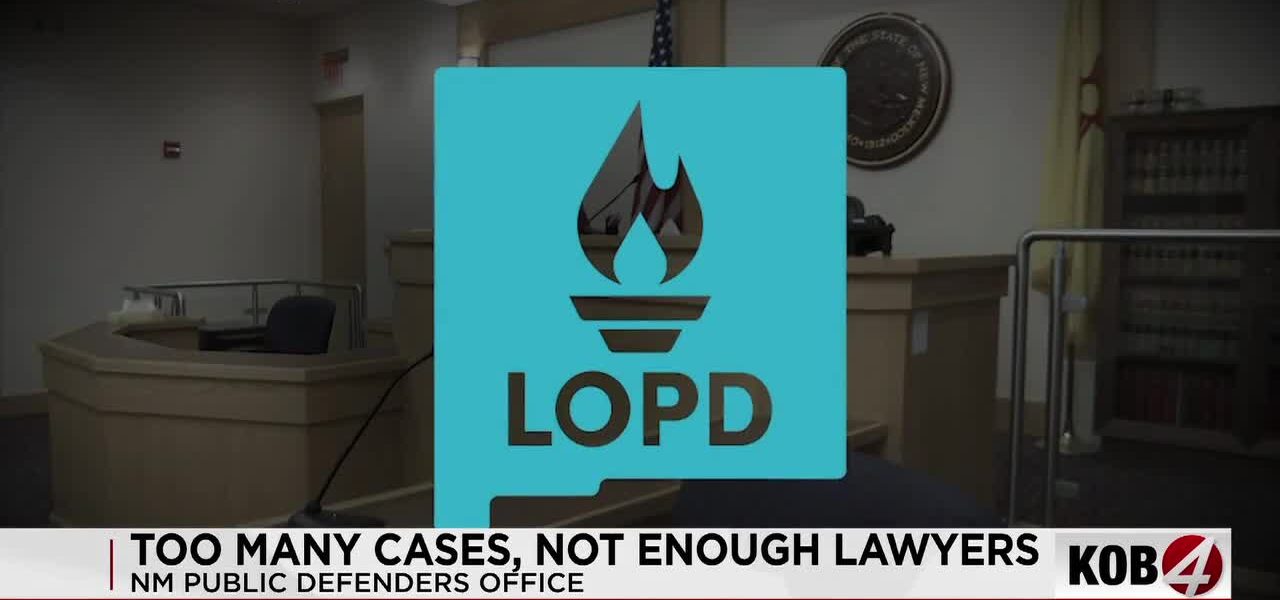
Consider the stark numbers: in a region where a robust defense is, by statute, guaranteed to everyone who can’t afford a lawyer, roughly 85 to 90 percent of those arrested across the state end up relying on public defenders. This isn’t a trickle; it’s a torrent. In a single fiscal year, 2026, the New Mexico Law Offices of the Public Defender wrestled with a staggering 86,000 cases. Now, square that against the fact that a full 15 percent of attorney positions across the state are simply vacant. Fifteen percent. That’s a fifth of a limb, you know?
It gets worse. Break it down by district — and the picture curdles. Gallup, for instance, a city grappling with its own distinct economic and social pressures—it’s missing over 70 percent of its public defense attorneys. Santa Fe is down 33 percent, — and over in Roswell, 44 percent of those legal chairs are empty. This isn’t a slow leak; it’s an open spigot. The chief public defender, Bennett Baur, didn’t mince words on the matter, noting quite plainly, “We cannot continue to provide effective assistance of counsel to all of our clients if those case numbers keep going.” That’s not just a statement; it’s a declaration of a fundamental system failure.
And so, a legal triage begins. Lawyers from the state’s more populous metro areas have had to parachute into these struggling locales, picking up the slack. Jennifer Barela, the deputy chief of operations who watches over all thirteen offices in the state, admitted she’s personally handling cases in Gallup. Now, when the person meant to be running the system has to get her hands dirty with individual caseloads in a remote, severely understaffed office, you know the structure’s swaying. Barela’s sentiment resonates with the bone-weary: [QUOTE_PLACEHOLDER] You can practically hear the sigh behind the words, the weight of a thankless fight.
All cases are currently covered, they say, but it’s a precarious balancing act—a house of cards just waiting for a strong breeze. And the implications? They aren’t theoretical. If this strain continues, it’s not just a delay; clients could sit in jail longer. Critical behavioral health evaluations — and treatments might get missed. We’re talking about lives, remember? It’s not just paperwork; it’s folks’ constitutional rights on the line. And frankly, this kind of bureaucratic stasis? It just feeds into the larger cynicism about justice. The folks at the top of the system recognize it, too. Baur believes the legislative arm needs to fund pay raises, which seems like a pretty straightforward recruitment tool, doesn’t it? He also pointed a finger, not unfairly, at the courts, suggesting they need to make broader changes themselves.
This isn’t just some dusty local skirmish. Look around the globe: in places like Pakistan or other parts of the developing world, a similar, insidious attrition often happens in public institutions, not due to malice, but pure, simple neglect of basic incentives—you know, decent pay, manageable workloads. The justice system is particularly susceptible, where legal aid is often a mere whisper of its potential, rather than a roar for rights. Without fundamental resourcing, even the best intentions buckle under pressure. New Mexico, it seems, isn’t so different. For more on similar system pressures within the correctional framework, one might look at instances like the Roswell incident exposing perennial contraband conundrums within carceral systems, often a symptom of underlying resource issues.
📄 POLICY WIRE WHITEPAPER PUBLISHED: PAKISTAN'S NATIONAL SECURITY POLICY PRIORITIES
👉 READ BY CLICKING HEREWhat This Means
This isn’t just about New Mexico; it’s a stark snapshot of America’s increasingly strained legal landscape, mirroring governance struggles that plague systems worldwide. When the state’s primary defense mechanism against state overreach—public defenders—becomes understaffed to the point of collapse, it’s not just an inconvenience. It’s an ideological tremor. Economically, this signifies a de-prioritization of fundamental justice, plain — and simple. The economic ripple effects are subtle but devastating: prolonged detentions mean lost wages for individuals and families, increased taxpayer burden for incarcerations, and a bottleneck that grinds the wheels of commerce and community to a halt, or at least a stagger.
Politically, this problem exposes a familiar bureaucratic disconnect. Lawmakers often prioritize headline-grabbing initiatives over the grunt work of system maintenance, or just the basics, you know? Ignoring calls for better compensation for public defenders signals a disturbing indifference to the foundational principle of equitable justice. And when faith in that system erodes, well, trust in government overall takes a hit—it’s just human nature, isn’t it? If the people tasked with upholding your rights can’t even get enough staff to do it, then what confidence can you, the ordinary citizen, possibly have in the larger machine?
the notion that metro attorneys must cover the deficits in rural areas isn’t a sustainable solution. It’s a band-aid on a gaping wound. But hey, it keeps the headlines from screaming, right? The core issue is the undervaluation of the work, translating directly into inadequate salaries and unmanageable workloads. If the legislature can’t wrap its head around the idea that robust public defense isn’t a luxury but an existential requirement, then we’re all playing a much more dangerous game. And that, frankly, is a hell of a gamble.