

Tehran’s Inner Circle Admits Sanctions Bite Hard, Trump Looms Large
POLICY WIRE — Tehran, Iran — Even within the guarded, ornate chambers of state, inconvenient truths eventually find their way. They knock, sometimes timidly, sometimes with the blunt force of...

POLICY WIRE — Tehran, Iran — Even within the guarded, ornate chambers of state, inconvenient truths eventually find their way. They knock, sometimes timidly, sometimes with the blunt force of economic reality. When it comes to Iran’s Supreme Leader, Ayatollah Ali Khamenei, hearing unvarnished bad news directly from his inner circle isn’t a routine affair; it’s an admission of deep systemic stress, a breach in the carefully constructed facade of resilience.
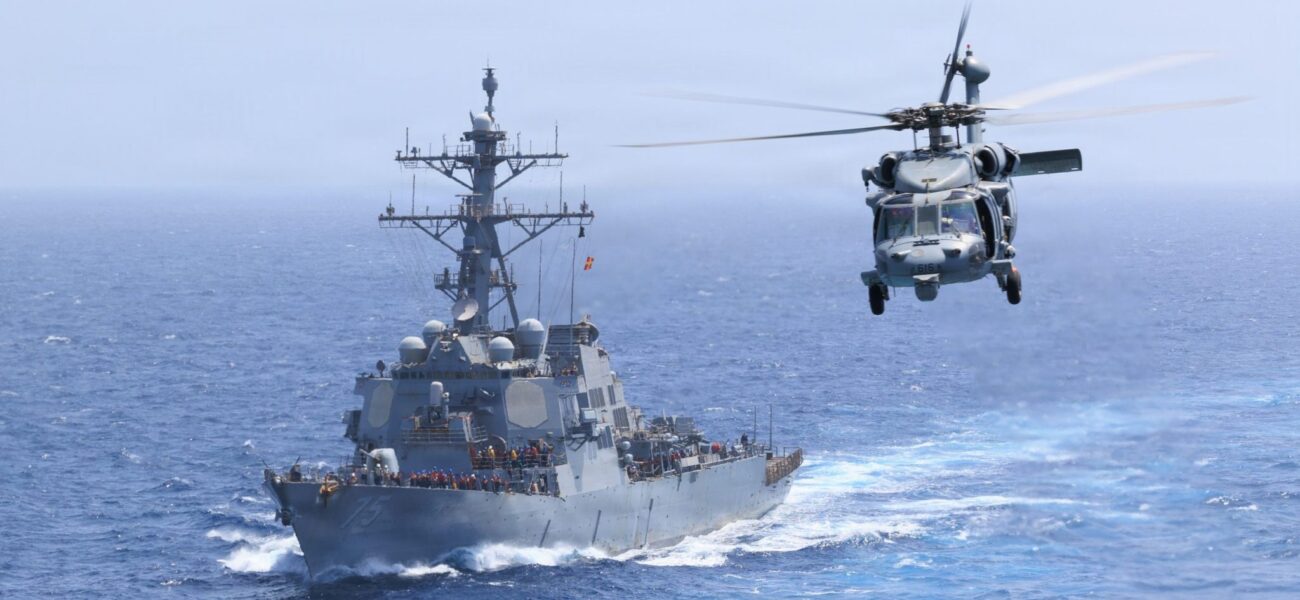
A recent report – whispered amongst intelligence circles and now gaining wider traction – suggests just such a moment of uncomfortable candor has transpired. It paints a picture of top Iranian officials delivering a grim assessment: the U.S. naval blockade was crushing the economy. Think about that for a second. The gravity of such an admission, made behind closed doors, to the ultimate arbiter of power in a regime that rarely acknowledges external pressure, is truly significant.
Because let’s be honest, state narratives in places like Tehran are usually about steadfastness, about triumphing over imperialist aggression, about enduring hardships. They’re rarely about economic capitulation, certainly not in front of the man whose pronouncements shape national policy and doctrine. But this time? It appears the damage became too stark, too undeniable for even the most loyal technocrats and security chiefs to ignore.
And it’s a particular kind of brutal irony that this news surfaces as former President Donald Trump, known for his [QUOTE_PLACEHOLDER] playbook, reportedly eyes reimposing it. We’ve seen this movie before, haven’t we? The economic strangulation, the attempts to cut off Tehran’s oil lifelines, the financial chokeholds. It seems the mere prospect of a rerun is enough to spark panic, or at least a blunt appraisal, among the leadership.
A naval blockade, though perhaps a more literal term than the broader financial sanctions we usually discuss, highlights the crippling effect on Iran’s ability to trade and move its goods, particularly oil. Remember the early days of past sanctions regimes? Iran’s oil exports plummeted by over 1 million barrels per day between 2011 and 2012, according to International Energy Agency estimates. This kind of raw economic muscle flex impacts everything: currency values, import prices, domestic employment. It’s not just abstract policy; it’s families struggling to put food on the table, it’s medicine shortages, it’s small businesses going under.
This internal confession signals a crisis that has pierced the insulated bubble of clerical power. It’s a candid acknowledgement that the current situation, or the anticipated return of a similar one, isn’t sustainable without severe repercussions. Officials had to concede that the pressure was crushing the economy – a rare moment of honesty that underscores the depth of Iran’s financial woes.
Consider the ripple effects across the Muslim world. Iran, a major player, finds its economy squeezed, its people chafing under pressure. That instability doesn’t stay neatly within its borders. Pakistan, for instance, a nation often grappling with its own economic fragility and regional security concerns, watches anxiously. Cross-border trade, energy deals (like the oft-stalled Iran-Pakistan gas pipeline), and broader regional security are all directly affected. A weakened, desperate Iran could become an even more unpredictable actor, potentially destabilizing a region already bristling with tension. It’s never just about Tehran; it’s about what Tehran’s struggle means for everyone from Baghdad to Islamabad.
📄 POLICY WIRE WHITEPAPER PUBLISHED: PAKISTAN'S NATIONAL SECURITY POLICY PRIORITIES
👉 READ BY CLICKING HEREBut the true kicker here isn’t just the fact of the economic pain, it’s the Supreme Leader being *told* about it. In systems like Iran’s, bad news travels slowly upwards, if at all, often sanitized and spun into something more palatable. That this admission made it all the way to the top indicates a problem beyond mere inconvenience; it’s an existential threat to the regime’s long-term viability, or at least to its comfortable continuity.
What This Means
This internal revelation, if the report proves accurate, carries significant political — and economic weight. Politically, it signals a potential fracturing of resolve within the Iranian establishment, or at least a stark internal disagreement over how to navigate sustained economic warfare. When high-ranking officials tell the Supreme Leader his economic policies or strategic resilience against Western pressure are actually destroying the national livelihood, that’s not just a policy debate. That’s a challenge to doctrine, however veiled.
Such admissions could lead to a reassessment of Iran’s regional adventurism or its nuclear program, though don’t hold your breath for a complete reversal. More likely, it will fuel internal debate over strategic patience versus aggressive confrontation. It could also exacerbate public discontent, turning quiet frustration into louder protests, something the regime dreads more than external pressure.
Economically, the impact of renewed or heightened sanctions—a U.S. naval blockade in effect, if not in name—would be immediate and devastating. Iran relies heavily on oil exports, and cutting off that artery starves the government of foreign currency crucial for imports, national projects, and even maintaining social services. Inflation would surge, the national currency would tumble further, — and foreign investment would evaporate entirely. It’s a vicious cycle where a dwindling national treasury meets a frustrated populace, potentially sparking further economic contraction.
Globally, increased Iranian instability could send tremors through energy markets, even if its oil isn’t flowing freely. The mere *threat* of disruption in the Strait of Hormuz—through which a significant portion of the world’s oil passes—can trigger price spikes. For countries in the broader South Asian — and Gulf regions, Iran’s economic distress isn’t a distant problem. It’s a neighbor on the brink, capable of unintended consequences that spill across borders, impacting trade routes, security postures, and regional stability. It means every chess move made by Washington or Tehran now has exponentially higher stakes.