

Lacrosse Uprising Echoes Power Shifts, From Chicago Fields to Global Centers
POLICY WIRE — Chicago, USA — When an entrenched power departs, whether it’s a storied veteran on a sports roster or a long-reigning political figure, the vacuum it leaves can often feel like a...

POLICY WIRE — Chicago, USA — When an entrenched power departs, whether it’s a storied veteran on a sports roster or a long-reigning political figure, the vacuum it leaves can often feel like a descent into uncertainty. What then emerges, if managed right, isn’t always chaos. Sometimes, it’s just the raw, kinetic energy of something fresh, a whole new game. And sometimes, you really see that new era click into gear with startling force.
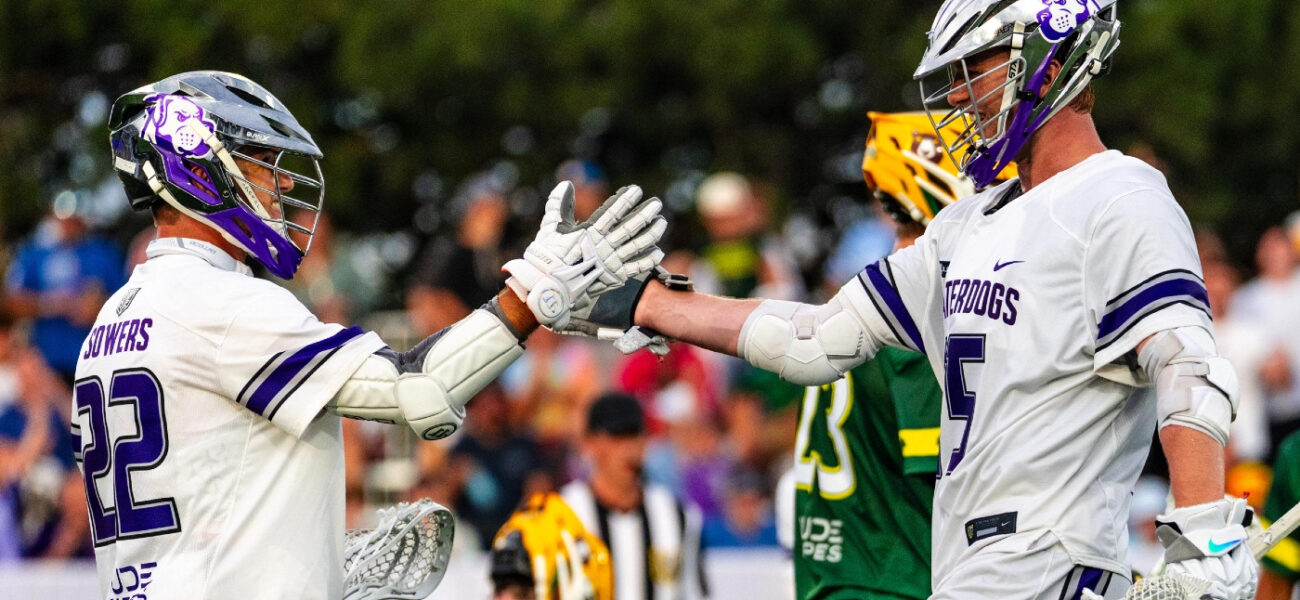
Take the recent Premier Lacrosse League dust-up in Chicago, for instance. The Philadelphia Waterdogs’ face-off against the California Redwoods — a match many dismissed as just another summer spectacle—transcended mere sport. It played out as a masterclass in controlled evolution, a demonstration that the handover of power, even under duress, can galvanize a team, or indeed, a nation. It was a 15-13 triumph, sure, but that’s not really the story.
For nearly two quarters, the Waterdogs looked like a mess, a coalition struggling to find its footing. The opposition, slick — and experienced, seemed to seize control. California controlled faceoffs, capitalizing in transition — and off of mistakes. It happens, right? Even veteran head coach Bill Tierney acknowledged during the ESPN broadcast that his team had drifted away from its game plan with too many self-inflicted mistakes. But here’s the kicker: they never really looked rattled. It’s a psychological resilience that’s uncommon, particularly when navigating significant internal changes.
The saga of goaltender Matt DeLuca offers a stark, personal mirror to these broader transitions. DeLuca stepped into enormous shoes, succeeding Dillon Ward, a giant of the game, whom Philadelphia had traded before the season. On Friday night, league data confirmed DeLuca validated that decision with 14 saves. It wasn’t just a win; it was a vindication. You could almost feel the collective exhale from the Waterdogs’ front office.
And you’ve gotta wonder how many politicians in Pakistan or emerging democracies across South Asia feel that same pressure, taking over from beloved, larger-than-life figures, proving themselves not just competent but transformative. It’s a test of succession, always. As Tierney, a coach who understands these transitions, observed, it felt familiar even to him, having overseen both men: [QUOTE_PLACEHOLDER]
The offensive explosion from CJ Kirst was equally revealing. After looking muted, a true force awoke in the second half, especially in his off-ball movement. A third-quarter hat trick ignited the Waterdogs’ offense before he capped the night with a breathtaking isolation goal in the final minute, tying his career high with six goals for the second time this season. Kirst’s emergence wasn’t isolated; it coincided with Michael Sowers snapping out of a scoring drought, a significant period lasting nine quarters. Sowers, always a presence, started drawing double teams, freeing up other players—the very essence of effective collaborative governance. It’s what you want, that kind of synergistic leadership, right?
Kirst didn’t hold back, talking about Sowers as a true partner. “Every time Mike has the ball on his stick, you know he’s such a threat. … He’s done a tremendous job this year with helping out the entire unit. … I’ve just been finding ways to talk through him during the week and at practice, to be in the right spot for him. … All credit to Mike for being the man back there and giving us the opportunity to play.” That’s a testament to leadership that lifts everyone up. Combined, they churned out 11 points (9G, 2A). That’s a powerhouse, a clear message to the league: a new economic bloc has formed. And it’s a big deal.
📄 POLICY WIRE WHITEPAPER PUBLISHED: PAKISTAN'S NATIONAL SECURITY POLICY PRIORITIES
👉 READ BY CLICKING HEREBut the true measure of a robust system isn’t just its stars; it’s the depth of its bench, the supporting cast. We’ve seen that repeatedly in geopolitical struggles—a single strong leader can falter if the infrastructure around them is weak. Not here. Josh Yago scored his first multi-goal game, Silas Richmond notched his first professional goal. Zach Currier? He filled every column of the stat sheet (1 goal, 2 assists, 7 ground balls, 1 caused turnover), the unsung operative doing everything behind the scenes. And Alec Stathakis, back from injury, battled hard, winning 18 of 31 faceoffs against some truly top-tier competition. It means they’ve built a system, not just collected individuals. Think about the complexities of building enduring institutions in nations like Pakistan; it’s about the collective rise, not just one charismatic figure.
What This Means
The Philadelphia Waterdogs’ victory isn’t just a win; it’s a policy statement on the merits of disciplined succession and talent incubation. For political observers, this sports narrative offers a compelling micro-study. How societies—or, for that matter, governmental bodies or corporations—manage the departure of an established, beloved figure and cultivate new leadership dictates their future trajectory. The deliberate move to trust a relatively unproven DeLuca over a league legend, and the strategic pairing of Kirst and Sowers, speaks volumes about a forward-looking vision.
In regions like South Asia and the broader Muslim world, where political leadership often coalesces around strong, sometimes dynastic, personalities, the Waterdogs’ model suggests an alternative path: one built on robust systemic development and distributed capability. The ability to recover from early setbacks—that feeling of being ‘out of sync’—by leaning on newly empowered figures signals a mature, resilient political economy. It’s a reminder that truly effective power shifts often come from within, fostered by trust in new blood, rather than external interventions or mere rhetoric. Building from the ground up, empowering young talent, that’s where the real juice is. You can learn a lot from these kinds of dynamics. Maybe Baltimore’s Young Guns could tell you a thing or two, too. It’s about building a sustainable future, not just living on past glories, you know?
It’s clear now: the Waterdogs aren’t just good, they’ve articulated a coherent strategy for dominance through renewal, something any government navigating tumultuous waters would be wise to heed. It shows that even in the toughest games, new leadership, backed by an emergent, adaptable support structure, isn’t just about competing, it’s about establishing a lasting legacy—one victory, and one policy implementation, at a time. The echoes from the sports field often resonate much further, sometimes across continents, reaching as far as Tehran’s regional chess game. It’s just how the world works.