

Hollywood’s Hammer: Baldwin Challenges Prosecutorial Immunity in Rust Case After Manslaughter Trial Flops
POLICY WIRE — Santa Fe, N.M. — It’s a curious dance, isn’t it? The public trusts its legal eagles to prosecute fairly, but often those same eagles are shielded from much of the fallout when things go...

POLICY WIRE — Santa Fe, N.M. — It’s a curious dance, isn’t it? The public trusts its legal eagles to prosecute fairly, but often those same eagles are shielded from much of the fallout when things go sideways. Most ordinary people, bless their hearts, couldn’t dream of suing the state’s attorneys, even if their lives were turned upside down by what they felt was gross injustice. But Alec Baldwin? Well, he’s not most ordinary people, — and he’s decided it’s high time those particular shields got a good hard rattle. Call it a celebrity-powered pushback against the very concept of qualified immunity.
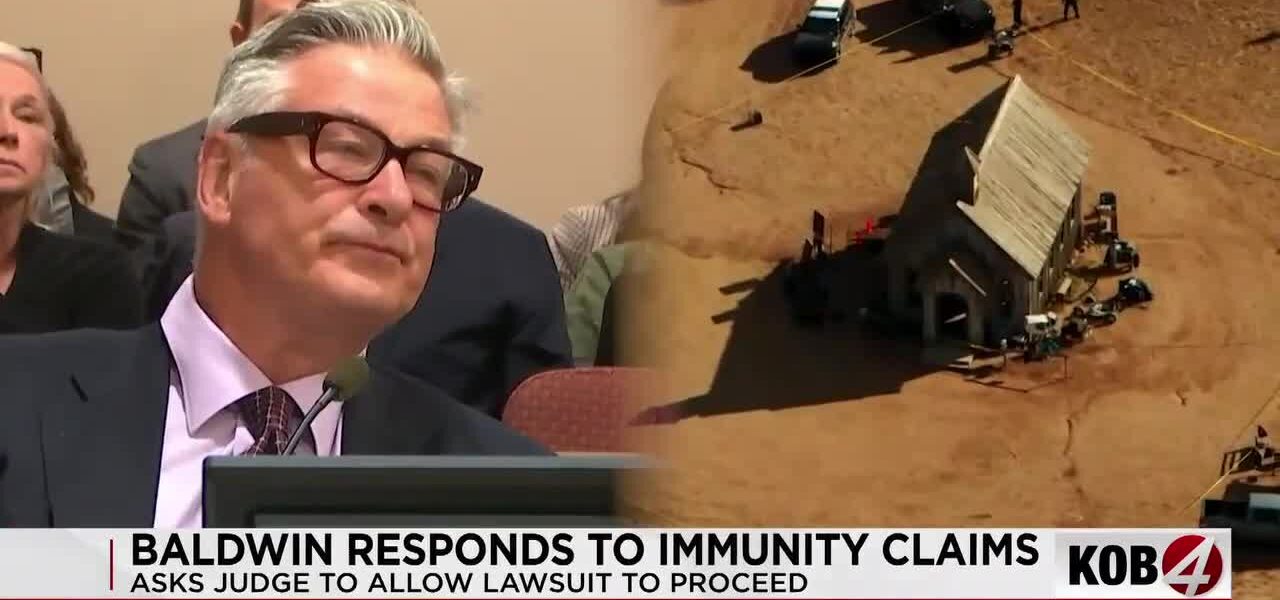
After a judge in the Land of Enchantment — Santa Fe, New Mexico, to be precise — threw out his manslaughter trial, the Hollywood veteran didn’t just walk away quietly into the desert sunset. No, sir. Baldwin’s now squaring up, suing the Santa Fe District Attorney’s Office — and a crew of special prosecutors. He’s arguing with the kind of gumption only a man of a certain profile can muster that these legal figures shouldn’t get immunity in his lawsuit over the “Rust” case. And it’s a significant play.
This isn’t just about a film set tragedy, mind you—a deadly shooting that’s kept us all glued to the headlines. It’s about the very mechanisms of justice — and who gets to hold them accountable. The heart of Baldwin’s beef? His lawyers argued prosecutors withheld evidence. That’s a serious accusation. He believes what happened on that set wasn’t just a accident, it was compounded by official conduct—or, more accurately, alleged misconduct. He is suing those prosecutors — and Santa Fe County, pushing for some answers, and probably some coin, too.
Now, these defendants, they’re not exactly throwing in the towel, are they? They’re clinging to their immunity like a life raft in a stormy sea. They argued they’ve qualified immunity — and cannot be sued. Standard stuff, really. Most of the time, that works. But Baldwin’s legal team is cutting some tactical deals here. In the new filing, Baldwin said he will agree Santa Fe County is immune from the lawsuit. He’s being choosy about his targets. That move isolates the individual prosecutors, forcing them to stand their ground without the protective umbrella of the county itself.
And then there’s the conspiratorial twist. Baldwin didn’t stop at just wanting immunity removed; he also accused the other defendants of conspiring against him and asked a judge to let the lawsuit continue against them. Talk about adding some spice to an already simmering pot. It’s a claim that’s easy to dismiss as high drama but has significant implications if proven. Because when public officials conspire—if they do—then immunity starts to look less like a safeguard for public service and more like a cloak for malfeasance. Think of it, a judge tossed Baldwin’s manslaughter trial in the summer of 2024. That’s a strong hint that something, somewhere, was amiss with the initial prosecution. It’s not a slam dunk, but it’s not a cold case either.
In many parts of the world, particularly across South Asia and the Muslim world, such allegations of official malfeasance or immunity used as a shield aren’t just courtroom skirmishes. They’re symptoms of a justice system often perceived as vulnerable to power, influence, or outright corruption. In Pakistan, for example, the perception of official immunity or special status for political elites or certain state apparatuses has long fed public cynicism, whether it’s legitimate or not. This creates deep cracks in the foundation of public trust in the rule of law. It’s not just a theoretical concern; it translates to everyday challenges for citizens seeking redress, from mundane bureaucratic delays to monumental legal battles against perceived injustice. Even seemingly unrelated spheres, like cricket, can find themselves caught in the political tides of these accountability debates, reflecting how pervasive these issues truly are.
What This Means
Baldwin’s lawsuit, while specific to New Mexico and his celebrity persona, cuts to the heart of prosecutorial immunity—a doctrine meant to protect government officials from harassment by litigation, letting them do their jobs without constant fear of being sued. But critics argue it’s morphed into a shield against accountability for misconduct. A recent report by the National Registry of Exonerations, covering cases from 1989 to 2023, found that [QUOTE_PLACEHOLDER] played a role in an alarming 54% of exoneree cases, suggesting that prosecutor missteps aren’t just isolated incidents. If Baldwin—with his formidable resources and public platform—can successfully erode that immunity in this specific instance, it could send shivers through district attorney’s offices across the nation. And that’s saying something.
Economically, if this lawsuit gains traction, Santa Fe County might find itself navigating an expensive legal quagmire, especially if more officials are targeted individually. There’s a financial burden to defending against these suits, even if they’re eventually dismissed. Politically, this case injects high-profile drama into the typically arcane world of legal procedures. It forces a public spotlight onto how prosecutors operate, how they gather evidence, and the ethical lines they’re expected to toe. If public sentiment sours further on the concept of unqualified immunity, there could be legislative pressures to revisit these protections—perhaps setting stricter standards for what constitutes misconduct worthy of legal recourse. For a legal system that’s often seen as opaque and unyielding, Baldwin’s legal challenge, bizarre as it might appear from afar, is an attempt to crack it open. And that’s never a dull thing for a seasoned journalist, let alone a cynical public.