


Gotham’s Cracks: NYC High-Rise Saga Hints at Global Infrastructure Rot
POLICY WIRE — New York, United States — It isn’t always the cataclysmic crash that catches your breath, sometimes it’s the slow, quiet bend. This week, as a Manhattan high-rise, still...

POLICY WIRE — New York, United States — It isn’t always the cataclysmic crash that catches your breath, sometimes it’s the slow, quiet bend. This week, as a Manhattan high-rise, still brimming with life and ambition on its lower floors, subtly—or perhaps not so subtly for those paying close attention—began to exhibit structural stress, the city’s inherent arrogance about its own invincibility got a jarring reality check. Forget earthquakes, forget dramatic explosions; sometimes, the very ground you stand on just gives up, inch by imperceptible inch, then all at once. What do we even say about that? That a symbol of aspirational urban living, a testament to steel and glass prowess, could simply start to sag like an old mattress?
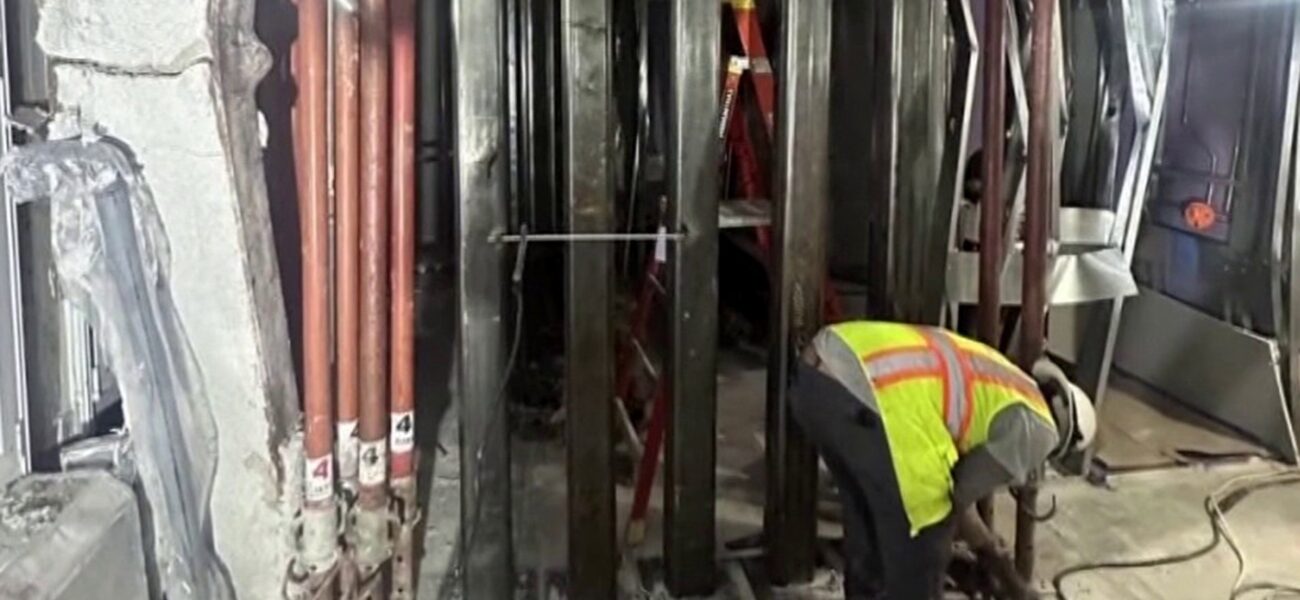
Fresh images, recently surfaced, offer a disquieting look inside the twentieth and twenty-first floors of a tower that once scraped the clouds with confidence. They allegedly confirm the building isn’t just settling; it’s giving. Think about it. The twenty-first floor. That’s not the shaky foundation you ignore; it’s squarely in the realm of premium office space, where deals are inked and futures supposedly forged. What happens when the veneer of prosperity literally starts to pull away? When the polished facade gives way to something unsettlingly less solid? The photos are said to depict structural anomalies that even the most bullish real estate developer would struggle to spin into an architectural feature.
It’s easy to dismiss this as a localized incident—a single bad actor, a corner cut, a unique design flaw. But, in cities from Karachi to Kuala Lumpur, this spectacle of urban decay hiding behind shiny new builds plays out, just perhaps without the high-definition photographs and the global scrutiny. We’ve seen similar patterns in construction mishaps and regulatory oversights in rapid expansion zones, like those that plagued some fast-built districts in Pakistan following periods of rapid industrialization. Buildings go up, they stand, — and then the hidden costs, often paid in safety standards, eventually present their bill.
This particular tower, let’s call it ‘The Ledger’ for its supposed solidity, had been a quiet topic of discussion among industry insiders for weeks. The subtle creaks that became louder groans. The micro-adjustments in geometry noticed by long-term tenants with a keen eye for right angles. The initial reassurances—always the reassurances—that it was merely routine maintenance, normal settling, nothing to see here, move along. Then, suddenly, the public is told that [QUOTE_PLACEHOLDER], which changes everything. And it wasn’t just a hairline fracture; we’re talking about conditions necessitating a deep, investigative dive, leading to images that weren’t exactly for promotional brochures.
One might wonder if this sort of slow-motion catastrophe isn’t a metaphor for something bigger. Our modern infrastructure, be it physical or metaphorical, often feels held together by little more than hope and duct tape. A statistic from the American Society of Civil Engineers (ASCE) pegs the country’s infrastructure grade at a C-minus, indicating significant deterioration. It means a lot of what we rely on daily isn’t just aging, it’s failing. It’s not just bridges and roads, is it? It’s the buildings, the very fabric of our urban centers.
Because frankly, it’s not glamorous to invest in preventative measures, in regular, thorough inspections that catch problems before they become existential threats. It’s much sexier to cut a ribbon on a new structure than to fortify an old one. This isn’t just about New York City; it’s about the pervasive myopia in infrastructure investment across developed nations and burgeoning economies alike. They’ve got money for new, but seem less inclined to ensure the longevity of what’s already standing, the critical yet unseen sinews that hold society together. And the implications of such neglect are global, echoing in unforeseen crises in bustling megacities worldwide.
What This Means
The image of a ‘buckling’ high-rise in America’s financial capital, even one only displaying internal strains, projects an uncomfortable symbolic vulnerability. Economically, any major structural issue in a commercial or residential tower triggers a cascade: property value dips for blocks, insurance premiums soar, and, eventually, a crisis of confidence creeps into the larger market. If you can’t trust the steel — and concrete in the global economic hub, what exactly can you trust? This particular incident will fuel uncomfortable conversations about building codes, lax inspections, and perhaps, more tellingly, the pressures developers face to cut costs in an ever-competitive landscape. But don’t misunderstand—this isn’t just a local building code problem.
The political implications stretch further than mere zoning reviews. This situation acts as an awkward, unbidden spotlight on infrastructure vulnerabilities globally. While developed nations like the U.S. wrestle with aging structures, nations in South Asia and the Muslim world, undergoing rapid urbanization and construction booms—often with less stringent oversight and perhaps a greater susceptibility to corruption—face even greater long-term risks. Consider, for example, the sheer volume of undocumented construction, or instances where safety certifications are easily manipulated, such as has been alleged in various Pakistani development projects. The ‘buckling’ high-rise serves as a stark warning about the long-term sustainability of modern urban ambitions. The economic fallout of such an incident in a high-density, rapidly growing city like Karachi could be catastrophic, far exceeding a localized downturn. It begs the question of whether lessons from affluent cities’ missteps truly penetrate the regulatory frameworks of emerging economies. It’s all connected, you see. That little crack in New York? It might just be the grand opening for a conversation we really, truly don’t want to have, especially concerning topics like the hidden costs of unchecked industrial expansion and the integrity of modern projects. Because secrecy — and shadow play with structural integrity never ends well, not here, not there, not anywhere, period.