


The Grind of Stalemate: Ukraine’s Frontlines Burn, While Global Attention Wanders
POLICY WIRE — Kyiv, Ukraine — The drumbeat of artillery fire, they say, is almost a dull throb now, a grim backdrop to life in much of eastern Ukraine. It’s not the thunderous shock of an...

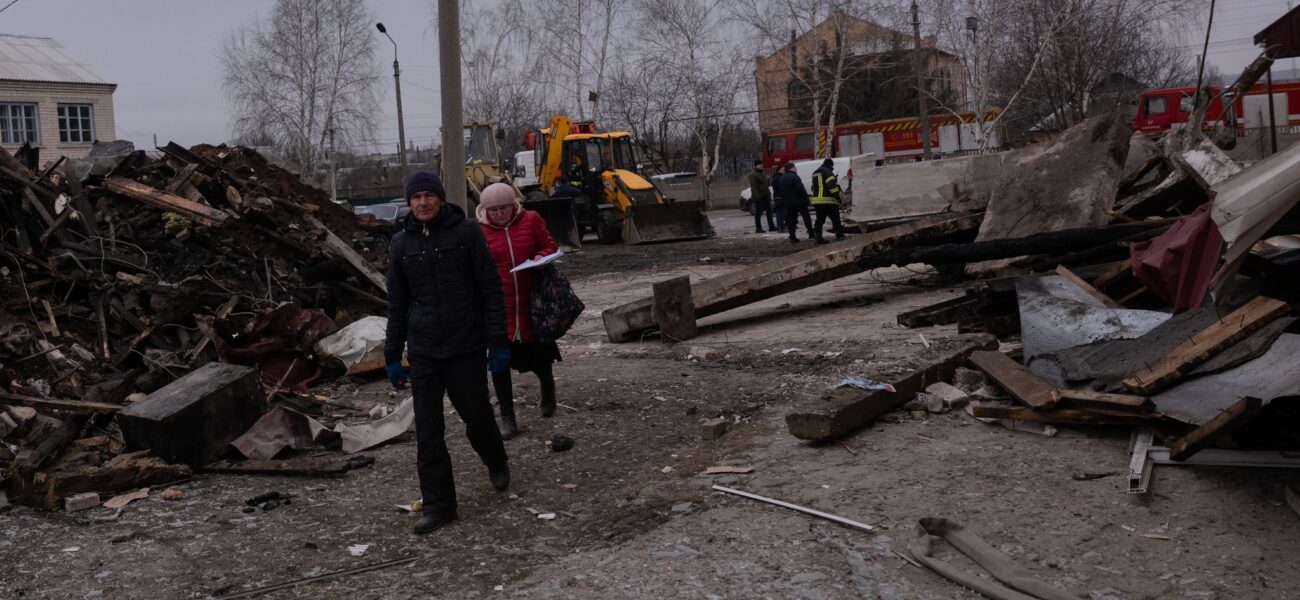
POLICY WIRE — Kyiv, Ukraine — The drumbeat of artillery fire, they say, is almost a dull throb now, a grim backdrop to life in much of eastern Ukraine. It’s not the thunderous shock of an initial invasion, but a more insidious, relentless percussion—a sound that signals not imminent victory, but an unending grind. Over 200 daily engagements aren’t just statistics; they’re the pulse of a war that’s settled into a brutal equilibrium, defying the hopes of quick resolutions and slowly, agonizingly, fraying nerves on both sides. And really, that’s the whole point, isn’t it? Erosion. Exhaustion.
It’s a strange kind of normal. Commanders issue orders, soldiers fight and fall, civilians endure, and the rest of the world debates the next aid package or strategic pivot. The war’s intensity hasn’t flagged—far from it—but its headline grip seems to be loosening, replaced by a kind of weary familiarity that breeds indifference. Kyiv officials can report hundreds of skirmishes, and while each one signifies death or injury, the collective sum often elicits little more than a resigned nod from a public now inundated with crises. We’ve seen this script before, after all.
President Volodymyr Zelenskyy, still the public face of Ukrainian defiance, hasn’t let that dampen his rhetoric. “We will fight for every inch of our land,” he declared recently to a visiting delegation of European parliamentarians, his voice perhaps a touch hoarser than in earlier days, “but don’t misunderstand, our struggle isn’t just for Ukraine. It’s for a foundational principle—that borders aren’t simply redrawn by brute force.” He’s got to keep the world tuned in, even as new horrors — humanitarian or otherwise — vie for airtime. It’s a never-ending P.R. campaign fought alongside the actual shooting war.
Because, make no mistake, Russia isn’t backing down either. Their state-controlled media continues its relentless narrative of a ‘special military operation,’ a limited action against ‘Nazis,’ dismissing international condemnation as Western propaganda. Kremlin spokesman Dmitry Peskov, ever the unflappable official, reiterated the familiar line just last week. “The objectives of our operation remain unchanged,” Peskov stated with customary stone-faced authority, “and they will be achieved. Any suggestion otherwise misunderstands Russia’s resolve and the historical context of this conflict.” He doesn’t budge. They won’t budge. So it’s stalemate, etched in blood.
The geopolitical reverberations stretch far beyond the immediate frontlines. For nations in the global South, particularly the cash-strapped ones, the ongoing conflict is a relentless drag on economies still reeling from post-pandemic recovery. Pakistan, for instance, a nation already teetering on economic precariousness, feels the pinch keenly through inflated energy and food prices. What happens in Ukraine, specifically in its breadbasket regions, echoes directly in Karachi bazaars — and Lahore homes. It’s a classic butterfly effect, only this butterfly’s flapping wings are tank tracks — and exploding shells.
Indeed, global supply chains, already fragile, continue to buckle under the strain. According to data compiled by the United Nations High Commissioner for Refugees (UNHCR), over 6 million Ukrainians have become refugees across Europe since the invasion began—a mass displacement unseen on the continent since World War II, straining host nation resources and altering demographic landscapes permanently. But, you know, some news cycles move on. The displaced remain. The fighting remains.
What This Means
The enduring, brutal stasis on Ukraine’s frontlines signifies a deeper malaise in international diplomacy — and security. It means an extended drain on Western treasuries—a burden increasingly difficult to justify to electorates facing their own domestic financial woes. Economically, this grind translates into persistent inflationary pressures, especially in commodities, hitting developing nations hardest. They didn’t start the fire, but they’re certainly burning from it. It’s also reshaping defense priorities across Europe, prompting nations to re-evaluate military readiness and supply chain resilience, something unthinkable just a few years back. The notion of a quick, decisive conflict now feels quaint, a relic from a different era. For better or worse, the world seems to have internalized that wars aren’t just about winning or losing anymore; they’re about surviving the unending middle part, too. And who pays for that? Everyone. Check out how other regions grapple with these evolving geopolitical dynamics, like in the Indo-Pacific, where new arms deals are reshaping calculus. Because security, it turns out, is a finite resource. Or, perhaps, we’re simply forgetting other catastrophes in plain sight, precisely because our attention spans are so worn thin.