


Faded Ink: When NBA Stardom Becomes a Blip on the Digital Radar
POLICY WIRE — Houston, United States — History, they say, is written by the victors. In the National Basketball Association, it’s often etched by the superstars—the Hall of Famers whose jerseys...

POLICY WIRE — Houston, United States — History, they say, is written by the victors. In the National Basketball Association, it’s often etched by the superstars—the Hall of Famers whose jerseys hang forever in the rafters, silent tributes to their singular dominance. But for every Michael Jordan or Hakeem Olajuwon, there are legions of other hopefuls, a rotating cast of names whose impact on the game is as ephemeral as a fleeting broadcast graphic. Think about it: this whole enterprise of tracking jersey numbers across decades—it speaks to an almost obsessive archival tendency. It speaks volumes, doesn’t it, about the sheer volume of talent that rolls through these big leagues?
It’s not just the celebrated few who shape the narrative. More often, it’s the quiet workhorses, the players who fill out rosters, logging minutes under the brightest lights without ever truly becoming household names. Henry James was one such player. A forward who, after his college stint at St. Marys, went undrafted in the 1988 NBA Draft. He bounced around in various other leagues—doing the journeyman hustle, the often unglamorous grind—until, finally, he got his shot with the Cleveland Cavaliers in 1990. He played a couple seasons there, the kind of quiet debut many hopefuls could only dream of. The Centreville, Alabama native worked his way around the NBA, with stops at the Sacramento Kings, Utah Jazz, and the Los Angeles Clippers. [QUOTE_PLACEHOLDER]
And then came his turn with the Houston Rockets in 1996. One blink, really. His stay with the team lasted until he signed with the Golden State Warriors that fall. You get this sense of motion, don’t you? This constant flux, players coming and going, an almost migratory pattern driven by the economics of a billion-dollar enterprise. During his time suiting up for the Rockets, James wore only jersey No. 21. A numerical identity, perhaps, but a brief one. The statistical record? He put up 4.3 points per game. That’s it. One concrete measure of an entire professional season with an NBA franchise. And it’s courtesy of Basketball Reference. The brutal alchemy of professional sports doesn’t discriminate. Every athlete, regardless of his on-court fireworks or lack thereof, contributes to a team’s statistical baseline, for better or worse.
This endless churn of personnel isn’t just a quirky aspect of NBA team management; it’s a global phenomenon, really. Even in distant markets, like say, the fervent cricket world of Pakistan, there are these background figures. You know, the guys who made their Ranji Trophy debut but never quite hit the big time internationally. Their brief moments in the sun contribute to a richer sporting heritage, sure, but their direct impact fades, becoming footnotes in comprehensive histories, much like James’s.
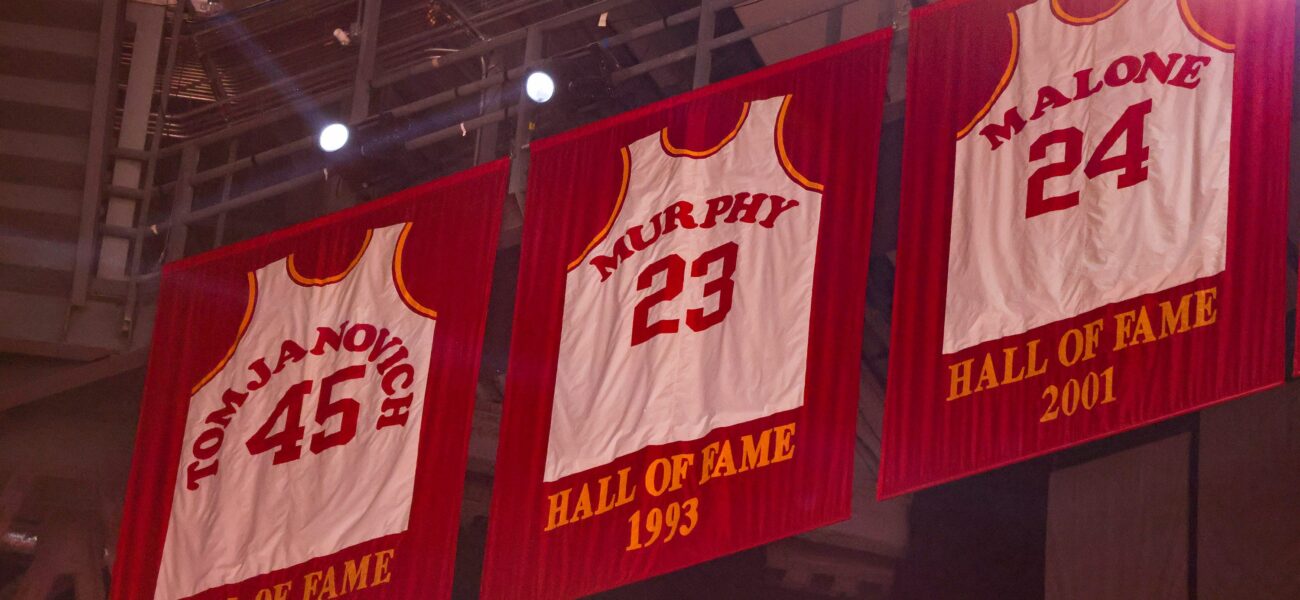
The Houston Rockets have had players donning a total of 52 different jersey numbers (and have one not part of any numerical series for Houston assistant coach and general manager Carroll Dawson) since their founding at the start of the 1967-68 season, worn by just under 500 players in the course of Rockets history. Just think about that volume. Seven of those jerseys now retired to honor some of the greatest Rockets of all time to wear those jerseys. But the others? Most become like ghosts in the machine. Rockets Wire is covering the entire history of jersey numbers and the players who wore them since the founding of the team all those years ago right up to the present day. Because somebody’s gotta remember them, right? The system depends on a deep bench—literally and figuratively. But for today’s article, we will continue with the sixth of 16 who wore the No. 21, forward alum Henry James. That’s the specific kind of detail that only true fanatics, or perhaps a dutiful digital archivist, would really pore over. It’s a dedication to the obscure.
But the world keeps spinning, of course. For players like James, the NBA wasn’t a final destination, it was a chapter—often a short one—in a much longer professional story. He’s emblematic of the deep talent pool in the sport, but also the brutal winnowing process. Many international players, dreaming of making it to the NBA, experience a similar path. They often don’t even make it past the development leagues, or maybe only touch the fringes of a main roster, much like the invisible components of a complex global supply chain. Their journey contributes to the league’s economic muscle, to its worldwide allure, but they remain largely anonymous to the casual fan. It’s an economy built on both stratospheric success — and profound professional transience.
📄 POLICY WIRE WHITEPAPER PUBLISHED: PAKISTAN'S NATIONAL SECURITY POLICY PRIORITIES
👉 READ BY CLICKING HEREWhat This Means
The story of Henry James, a numerical footnote in the sprawling Houston Rockets narrative, highlights a crucial, often overlooked economic truth in professional sports: the profound stratification of labor. At the top, you’ve got multi-million dollar contracts, celebrity endorsements, — and global brand recognition. That’s the elite 1%. But beneath that gleaming surface lies an army of what you might call, to use a rather blunt term, replaceable parts. They’re professional athletes, no doubt, but they don’t command the leverage, the security, or even the memory that the superstars do. Their value, primarily, is in providing depth, absorbing salary cap space, and—frankly—serving as a constant reminder that for every big contract, there are ten others waiting in the wings.
Politically, this dynamic reflects broader debates about labor in gig economies or globalized industries where individual workers often lack long-term stability. Athletes, particularly those outside the absolute top tier, operate on short-term contracts, subject to the capricious whims of team management and salary cap realities. Their mobility is dictated not by personal aspiration alone, but by a complex calculus of team needs, roster spots, and economic viability. This transience, while providing a necessary competitive environment for the league, also leaves a vast majority of players in a perpetually uncertain state, their careers a fragile construct built season-to-season, often far from the kind of stability many seek. It’s an economic model, ultimately, that prioritizes institutional stability over individual career longevity, often turning professional sports into a series of highly public auditions, year in, year out.