

King’s Gambit: Philadelphia’s Audacious Bid for LeBron Echoes Beyond Courts
POLICY WIRE — Philadelphia, USA — Philadelphia’s civic discourse—a noisy, passionate, often agonizing affair—has found a new obsession: convincing basketball royalty to cross the ancient Delaware....

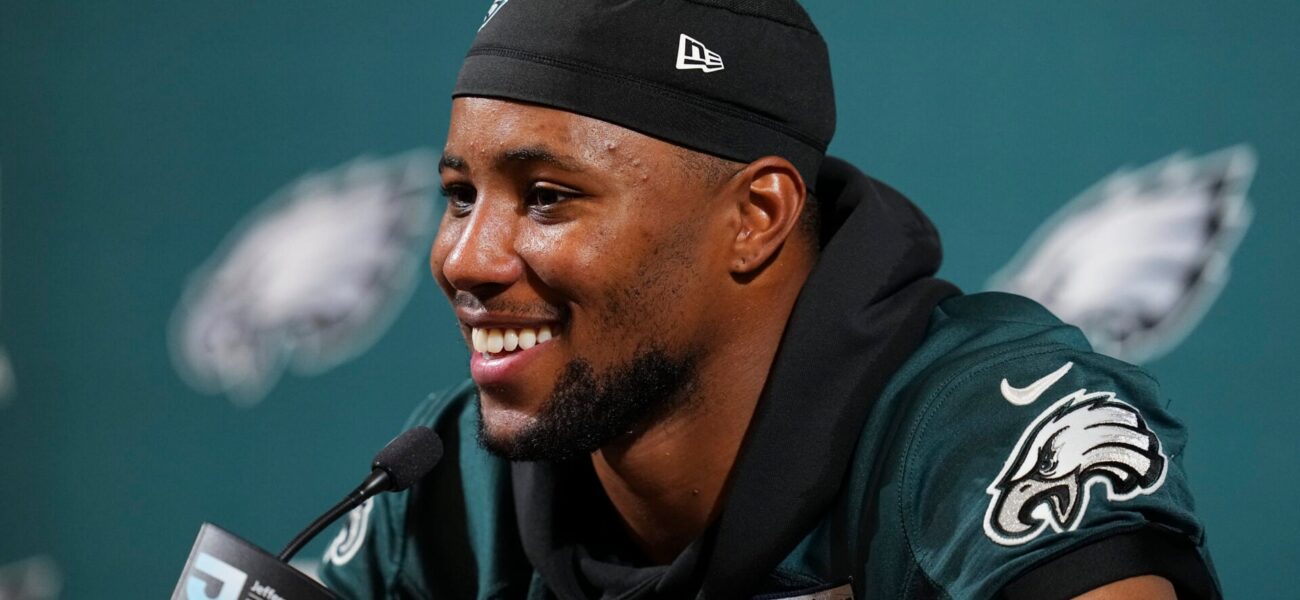
POLICY WIRE — Philadelphia, USA — Philadelphia’s civic discourse—a noisy, passionate, often agonizing affair—has found a new obsession: convincing basketball royalty to cross the ancient Delaware. Forget city council budget debates; forget zoning variances. For the famously long-suffering denizens of the City of Brotherly Love, it’s all about an aging superstar, a potential championship drought-buster. And who’s spearheading this improbable campaign? None other than NFL behemoth Saquon Barkley, now playing an uncharacteristic, very public role as sports agent for the city’s NBA franchise. It’s a surreal alignment of star power.
James’ decision to finally exit the glitter and tumult of Los Angeles has sent ripples throughout professional basketball. For a brief, intoxicating moment, nearly every team in the league fancied themselves contenders for the 41-year-old’s services. But as the haze of rumor clears, the list of suitors has contracted sharply, leaving a select few, among them the Cleveland Cavaliers, the deep-pocketed Golden State Warriors, and, intriguingly, the Philadelphia 76ers. Philadelphia, a city perennially on the precipice of sports glory but often denied, sees a narrow, golden opportunity. And they aren’t shy about it. [QUOTE_PLACEHOLDER]
The 76ers have already made headlines, securing Jaylen Brown in a blockbuster trade. They’ve also got that dynamic duo, Tyrese Maxey — and Joel Embiid, anchoring their roster. Adding a player of James’ caliber, even in his twilight years, instantly shifts the odds. Next season, they wouldn’t just be good; they’d be favored. That’s the logic fueling the breathless speculation and the rather unconventional recruitment tactics employed by an unexpected figure.
Barkley, the Philadelphia Eagles’ star running back, made his case with the blunt conviction only an athlete who understands the fierce loyalty of this city’s fans can possess. And frankly, he’s not mincing words. I think it’s one of the greatest sports towns in the world. I know Josh Hart said the opposite. I saw that today on Twitter. But I have to disagree with him,
Barkley asserted. It’s a direct appeal, a challenge, almost, delivered with the casual candor of a social media post, yet with the gravitas of someone speaking for a legion. Because Philly isn’t just a sports market; it’s a tribal affair, — and its tribes demand fealty.
His pitch to James wasn’t subtle; it was a clear-eyed challenge to seize one last, unforgettable moment. If you want to go out with a bang, I feel like a great spot would be in Philly, and bringing a championship to Philadelphia, you’d be remembered forever.
Talk about direct. There’s no subtlety here; just pure, unadulterated civic pride — and a promise of eternal adoration. Philadelphia hasn’t celebrated an NBA Championship since 1983. Forty-three years is a long, long time to wait for bragging rights. If James were to end that drought, he’d transcend mere celebrity. He’d become legend.
But this isn’t just about one athlete’s career or one city’s hunger. This entire spectacle—the public plea, the frantic team re-shuffling, the speculative frenzy—speaks volumes about the modern economics of sports. It’s an economy driven by superstars, not just teams. According to a 2023 report by SportsPro Media, the NBA’s global revenue surpassed $10 billion, marking a significant increase fueled by international growth and media deals. This isn’t pocket change. And LeBron James, even as his knees complain, remains a walking, talking, incredibly lucrative brand ambassador for the league worldwide. His choices, his mere presence on a roster, have ripple effects far beyond a local television market. They impact global viewership, merchandise sales, and even the soft power projection of American culture.
📄 POLICY WIRE WHITEPAPER PUBLISHED: PAKISTAN'S NATIONAL SECURITY POLICY PRIORITIES
👉 READ BY CLICKING HEREWhat This Means
The saga of LeBron James’ next destination is more than a trivial offseason storyline; it’s a political economy masterclass playing out in real-time. For a city like Philadelphia, attracting a talent of his magnitude promises a significant economic jolt. Think increased tourism, higher consumer spending on game days, and a massive surge in national—even international—media attention. It’s an advertisement for the city itself. On a broader scale, James’ decision holds particular sway for regions with burgeoning interest in Western sports, such as Pakistan and the wider South Asian and Muslim world.
The NBA, leveraging stars like James, has invested heavily in these markets, recognizing their demographic potential. His move to a team like Philadelphia, steeped in historical sporting significance but lacking recent championship glory, creates a narrative of redemption that resonates deeply across cultures. It’s the ultimate underdog story, spiced with a global icon’s final quest. Policy makers in these regions, keen to foster youth engagement and leisure economies, often pay close attention to the cultural magnets that attract their young populations. A vibrant NBA presence, boosted by a legend’s career coda, acts as precisely such a magnet, influencing everything from local sports sponsorships to the subtle importation of cultural trends. His choices don’t just fill stadiums; they shape cultural conversations and influence market behavior from Karachi to Kuala Lumpur. It’s fascinating, really. A basketball player, inadvertently, impacting international policy considerations by merely picking his next employer.