


Memphis Grapples with Federal Overreach, Silence as Grandfather Demands Video in Guard Shooting
POLICY WIRE — NASHVILLE, Tenn. — A national conversation about urban crime fighting, federal intervention, and local autonomy just got brutally personal on the streets of Memphis. Not through a...

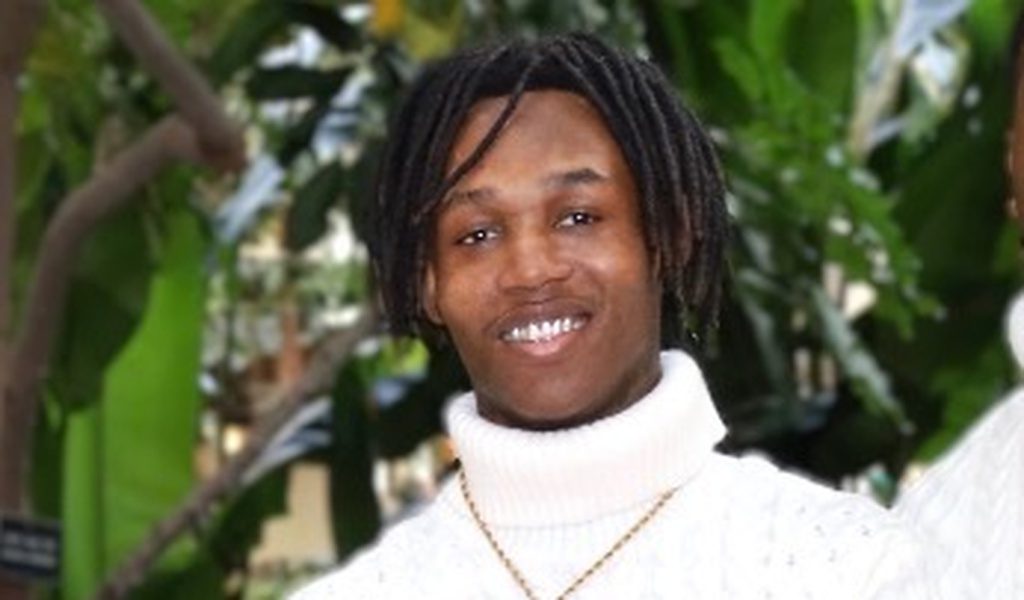
POLICY WIRE — NASHVILLE, Tenn. — A national conversation about urban crime fighting, federal intervention, and local autonomy just got brutally personal on the streets of Memphis. Not through a policy paper or a congressional hearing, but in the tragic, unexplained death of Tyrin Johnson, a 20-year-old college student shot by Tennessee National Guard members. His grandfather, a former correctional officer, is now in the fight of his life— not for an inmate, but for his own blood.
It’s a pattern we see worldwide, this clash between top-down security dictates — and on-the-ground community realities. Think of the skepticism many in nations like Pakistan or Indonesia hold toward central government or external military involvement in local policing. That same deep-seated distrust simmers here in America’s own cities when federal troops are deployed, sometimes under questionable pretexts.
President Donald Trump, remember him? He thought it smart, you know, to parachute federal agents and troops into what he famously termed [QUOTE_PLACEHOLDER] Democratic-run cities. Memphis was one such spot where the National Guard landed, ostensibly to tackle soaring crime rates. Tyrin Johnson was just another young man out that fateful Sunday morning, supposedly trying to enjoy the Fourth of July, when his path crossed with this federalized local response.
Evaniel Johnson, his grandfather, just wants to see the video. He wants to know if the official line— that his grandson turned toward U.S. guard members with a gun while running from them —holds up to scrutiny. Because right now, that narrative, for him — and many others, isn’t washing. “Show me the video,” Evaniel Johnson told The Associated Press. “Please show me that — and then I’m OK. Until you show me that, I’m gonna fight and advocate for my grandson until there’s no breath in me.”
Tyrin, according to his grandfather, wasn’t some hoodlum. He carried a weapon for self-defense, a response to being jumped recently in Nashville over a murky social media feud. You carry a gun for protection; suddenly, that self-preservation becomes a death sentence. And if you’re running away, as the initial police account suggests, is deadly force truly the only answer? It’s a brutal question parents and grandparents across America are forced to ask when they watch nightly news of yet another young life extinguished.
The Tennessee Bureau of Investigation (TBI) is looking into the incident, confirming two guard members fired their weapons. But getting straight answers? Forget about it. The Memphis Police Department’s lips are sealed tighter than Fort Knox about any footage. And the National Guard? They haven’t breathed a word about whether the two members involved are on leave or not. Silence. It’s deafening.
And so, politicians, as they always do, have weighed in. Democratic leaders from Tennessee, State Senator Raumesh Akbari and Chairwoman London Lamar, released a joint statement. They asked for video release as soon as it’s possible to do so without jeopardizing the investigation. Transparency serves everyone — the Johnson family, the members of the National Guard involved, and a community that deserves confidence in the outcome, whatever the facts ultimately show. State Rep. Justin Pearson, who’s got his sights set on the U.S. House, was blunter, calling for the federal task force to be disbanded. Memphis doesn’t need armed soldiers in our streets terrifying our people, he declared. The ACLU of Tennessee echoed that, naturally, insisting on a transparent investigation, not a closed-door ruse that leaves our community in the dark.
This whole situation — the federal intrusion, the local pushback — it’s nothing new. Trump’s initial decision to deploy the National Guard stirred up a hornet’s nest. Governor Bill Lee, a Republican, welcomed the feds with open arms, but Memphis Mayor Paul Young, a Democrat, took a more measured tone. He never asked for the troops, he admitted, but recognized they were coming regardless of his opinion. That’s a stinging realization, isn’t it? When Washington decides your city’s fate without a genuine consult.
Because these interventions come with a price, beyond the immediate tragedy. TBI data, as grim as it gets, shows that at least three people have died in four shootings by officers tied to the federal task force. That’s a cold statistic for what was supposed to be a crime-fighting initiative.
Tyrin Johnson, his life abruptly cut short, didn’t fit the convenient narratives some might construct. He wasn’t a hardened criminal, just a kid with a handful of traffic violations on his record. He was enrolled at Tennessee State University until May 2024. His grandfather had grand plans, teaching him the ropes of the family’s real estate business. He had a project lined up for his grandson in Nashville in the coming weeks. A life, a future. His future was buying homes, living life, taking care of his little baby. He had a future. It’s gone now. That Fourth of July, Evaniel Johnson said he’d wished Tyrin had just stayed home with the family, playing cards on the back porch.
What This Means
This incident is far more than a localized tragedy; it’s a political tripwire. It starkly highlights the fraught dynamics of federal law enforcement interventions in municipalities, a practice initiated with particular vigor during the previous administration and one that still festers in communities. The call for video evidence isn’t just about this specific case; it reflects a broader erosion of trust between citizens, especially minority communities, and armed state agents. The longer transparency is withheld, the deeper the skepticism takes root, fueling narratives of accountability dodging and potentially destabilizing local governance’s credibility. It paints a picture, for some, that’s not too far removed from the struggles for community oversight we observe in, say, Balochistan, where central authority clashes with local sentiments, leading to profound societal disquiet. It shows a policy failure; the best intentions often yield disastrous, unintended consequences when applied without nuanced local understanding. Economically, such high-profile incidents can deter investment, increase insurance premiums in perceived ‘high-crime’ areas, and, ironically, place an added strain on already tight city budgets via legal fees and potential settlements, while also impacting voter confidence. The demand to dismantle the federal task force signifies a direct rejection of what many see as an overly aggressive and unwelcome military-style approach to urban problems, prioritizing local solutions over top-down directives. It suggests a move away from external imposition toward cultivating community-led, perhaps unarmed, strategies that build rather than destroy local trust. The question then becomes, will lawmakers listen to the resounding cries from the streets, or will they simply chalk it up to unfortunate but isolated incidents?