
Albuquerque’s Park Ascent: A Glimmer of Urban Planning Savvy, or Just Statistical Shuffle?
POLICY WIRE — Albuquerque, New Mexico — It’s a funny thing, this obsession with rankings. One day you’re merely adequate, the next you’re… well, slightly less adequate but still miles from...

POLICY WIRE — Albuquerque, New Mexico — It’s a funny thing, this obsession with rankings. One day you’re merely adequate, the next you’re… well, slightly less adequate but still miles from exceptional. And for Albuquerque, its latest incremental rise in the national park accessibility pecking order isn’t just about swings and slides. No, it’s a quiet whisper about urban policy, resource allocation, and what cities genuinely prioritize when the chips are down.
Because let’s face it, public green spaces, those often-overlooked bastions of sanity in an increasingly concrete world, aren’t just for leisurely strolls. They’re civic infrastructure. They’re a public health intervention. They’re an economic amenity, attracting residents — and businesses alike, even if no one really frames them that way. But the headline usually screams ‘progress’ without digging into the muck of actual urban dynamics. [QUOTE_PLACEHOLDER]
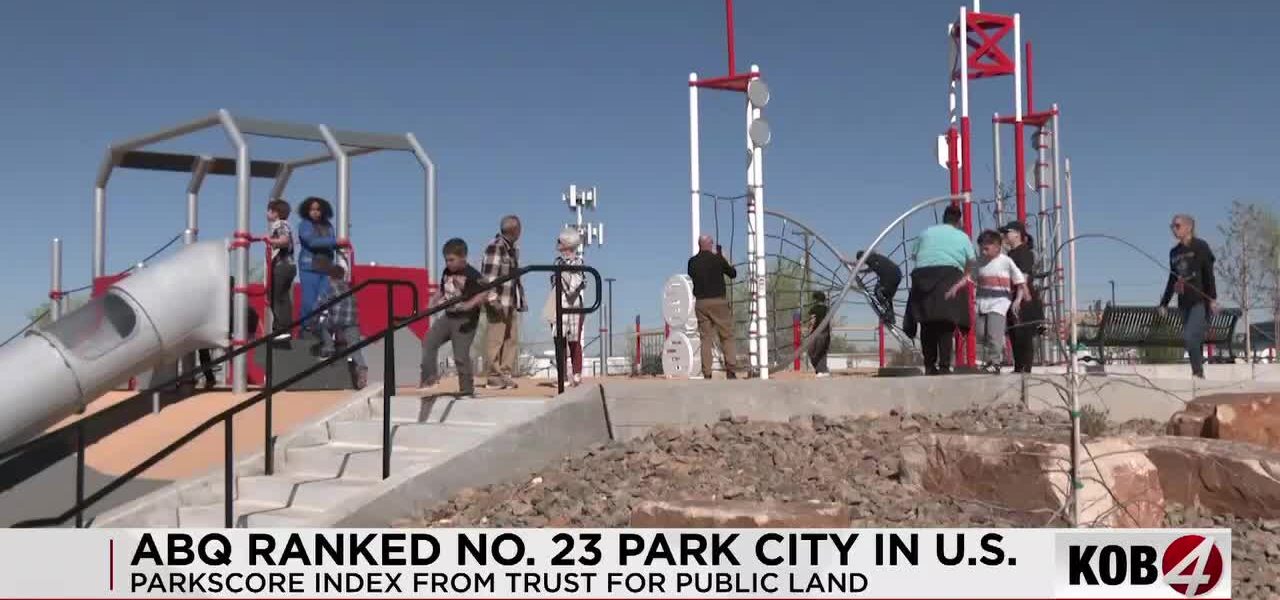
The city’s recent stride, shifting from its 24th position last year to the 23rd spot this year, is, technically, an improvement. Such minor movements often get spun by city halls as monumental achievements—proof of foresight, proof of competence. It’s almost adorable. We’re told that Albuquerque is once again ranked among the top cities in the country for parks
, which, if you squint hard enough, makes 23rd sound like first place. The methodology, ParkScore index from the Trust for Public Land
, considers both park space and how easy it’s for folks to get to it.
It’s important to remember these rankings reflect the 100 largest cities in the country
. A pool that inherently means some pretty robust competition. For Albuquerque to nudge up one single slot—well, it wasn’t a sudden, revolutionary urban redesign. More likely, it reflects meticulous planning by a few dedicated public servants and perhaps the statistical happenstance of another city slipping. But we’ll take it. Who doesn’t like moving up, even by a hair’s breadth?
Consider the cost, though. Maintaining urban green spaces, keeping them safe, clean, — and accessible, isn’t cheap. It demands sustained municipal budgets — and a political will that sometimes wavers faster than a desert mirage. It’s not merely about having parks, you see, it’s about having parks people actually use, parks that aren’t derelict or dangerous after dark. And that’s where the policy rubber meets the rough road.
Because without robust investment, these precious public parcels become liabilities, not assets. They’re neglected corners, not community hubs. You’ve seen it. We all have. From the cracked sidewalks in downtown plazas to the overgrown paths that lead nowhere in particular. This isn’t just about square footage anymore; it’s about quality — and engagement.
Meanwhile, across the globe, especially in burgeoning metropolises of Pakistan—Lahore, Karachi, Islamabad—the narrative around urban green space is starkly different. There, the challenge isn’t just about tweaking an existing network; it’s about sheer capacity, battling rapid unplanned urbanization, and often, fundamental land acquisition issues. The sheer crush of population growth often means green spaces are swallowed by development, considered luxuries rather than necessities. They’re trying to keep their heads above water, sometimes quite literally, while Albuquerque counts single-digit ranking shifts. That contrast provides a sobering perspective on what ‘progress’ truly means for urban planners globally. And in many Muslim-majority cities, public parks also carry a unique social function, serving as vital community gathering points, often for multi-generational families, in ways that don’t always translate to the more individualistic park-going habits seen in the U.S.
It makes you wonder, doesn’t it, what kind of conversations are happening behind those closed doors. Are they celebrating a small victory? Or are they scrutinizing the 22 cities still ahead, plotting further improvements? But then, again, in a landscape where cities constantly vie for bragging rights and resident attraction, every tiny advantage counts.
📄 POLICY WIRE WHITEPAPER PUBLISHED: PAKISTAN'S NATIONAL SECURITY POLICY PRIORITIES
👉 READ BY CLICKING HEREWhat This Means
This marginal uptick for Albuquerque isn’t just a feel-good news item; it’s a subtle indicator of deeper urban trends and political choices. Politically, maintaining or improving park rankings provides tangible (if symbolic) evidence that local governance is attuned to quality of life—a key plank in any reelection campaign. For city councilors and mayors, touting even small gains in a visible area like parks allows them to demonstrate competence and care for constituent well-being. But it also sets a ceiling. How much can a city realistically invest in public amenities when faced with competing demands from housing, infrastructure, and public safety budgets? It suggests that, for now, the pace of green space development remains steady, perhaps even constrained by existing fiscal realities rather than aggressive expansionist ambitions.
Economically, accessible green spaces are silent drivers of property values — and desirability. They can attract new residents, particularly families and environmentally conscious professionals, boosting the local tax base and commercial activity. This isn’t trivial; a city’s perceived livability can significantly influence its economic competitiveness. Parks reduce urban heat island effects, lower healthcare costs associated with sedentary lifestyles, and improve air quality. It’s an investment with multifaceted returns, even if they aren’t always immediately quantifiable in quarterly reports. However, the one-spot climb implies a sustained, rather than transformative, approach. It’s an incrementalist strategy, prioritizing steady upkeep — and minor additions over sweeping, expensive overhauls. This likely means continued stable funding for existing parks but little appetite for groundbreaking new projects, reflecting a cautious economic stance—which, in these uncertain times, might actually be the pragmatic choice.