


Albuquerque’s Grid: When Growth Outpaces Watts
POLICY WIRE — Albuquerque, New Mexico — It’s a classic urban dilemma, played out now in the sprawling, sunbaked Northeast Heights: progress demands power, but no one wants its generating machinery in...

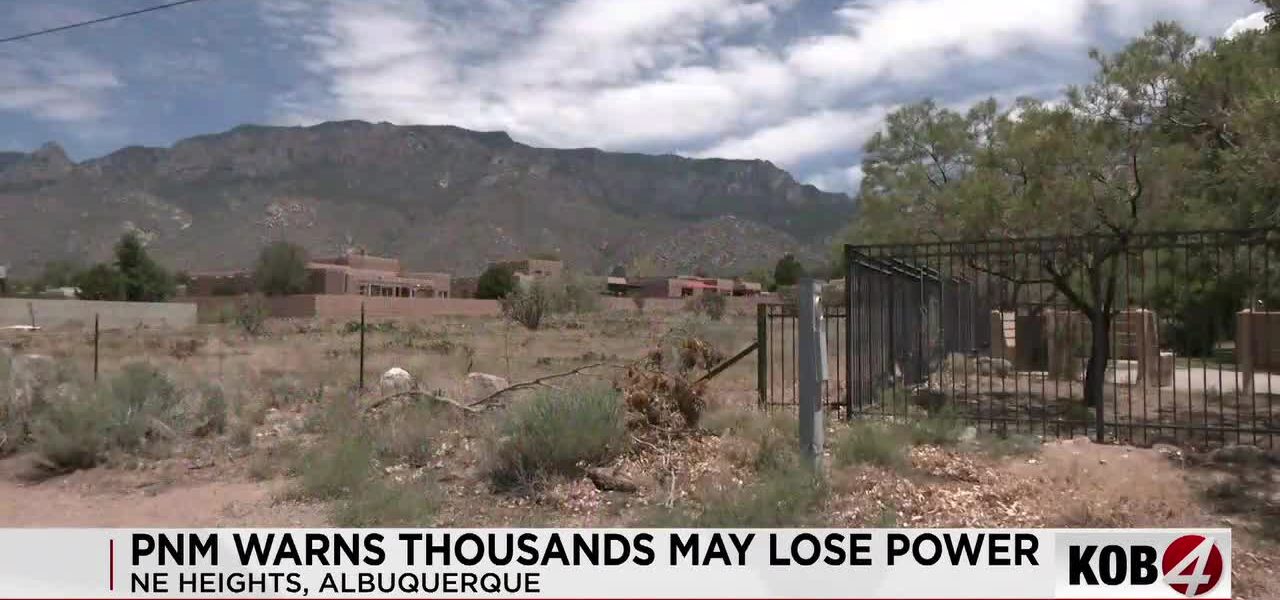
POLICY WIRE — Albuquerque, New Mexico — It’s a classic urban dilemma, played out now in the sprawling, sunbaked Northeast Heights: progress demands power, but no one wants its generating machinery in their backyard. Residents here, weary from a summer that’s barely begun, recently found themselves staring down an urgent plea from PNM, their utility, to ration electricity or face the dreaded brownout.
But this isn’t just about turning down the AC for a few hours. No, this story’s got layers. It’s about a booming city butting heads with an aging infrastructure, a utility scrambling for solutions, and homeowners caught between their desire for reliable power and a deeply entrenched ‘not-in-my-neighborhood’ stance. It’s messy, frankly, and indicative of a broader American problem—one that quietly affects economies and comfort across the globe.
For some, the alarm sounded by PNM was just the latest indignity. “I mean, it feels a bit like being held hostage, doesn’t it?” quipped Norma Leeper, a longtime resident of the Far Northeast Heights, recounting her mad dash for a battery backup after the utility’s warning. She got her device, plugged it in, — and now it’s working. Her sentiment? She’ll do what it takes, but she—and her neighbors—certainly aren’t shy about wanting infrastructure upgrades situated elsewhere. And that’s where the rub really lies.
PNM, for its part, isn’t sugarcoating it. The sheer number of folks plugging in, cooling off, and charging up in this part of town has simply outpaced the grid’s capacity to deliver. “We’re seeing a lot of strain on that equipment,” explained Eric Chavez, a PNM spokesperson, underscoring the precarious balance they maintain. “Because if the equipment continues to be overloaded, it’s very possible that our equipment could be damaged.” And nobody wants that; brownouts are one thing, full-blown blackouts are another animal entirely. It’s why they’re asking customers to actively trim their consumption – a stopgap, nothing more.
This isn’t an overnight revelation. PNM’s been looking at the Northeast Heights’ voracious energy appetite for over ten years. And their proposed solution, a new substation, keeps hitting local resistance. New Mexico State Senator Mimi Stewart, whose district includes parts of the Northeast Heights, didn’t pull punches when discussing the impasse. “Look, people expect their lights to come on,” she stated bluntly. “We can’t champion growth — and then starve our utilities. It’s past time for collaborative, statewide strategies, not just bandaids — and last-minute pleas from the power company. We need to plan ahead, proactively, or these kinds of shortfalls will be the new normal.”
It isn’t unique to Albuquerque, mind you. You see echoes of this urban expansion versus infrastructure lag across continents. Developing nations, from the bustling megacities of India to rapidly industrializing regions of Pakistan, face similar, often more severe, hurdles in scaling their power grids to match their burgeoning populations. A recent report from the U.S. Department of Energy projected that national electricity consumption will rise by approximately 5% by 2030, a relatively modest figure nationally, but one that puts immense, concentrated pressure on local grids like Albuquerque’s that weren’t built for today’s demands.
What This Means
The situation in Albuquerque’s Northeast Heights isn’t merely a localized squabble over a power line. It’s a stark microcosm of the wider political — and economic tensions embedded in modern infrastructure development. Economically, these brownout warnings can deter investment and expansion; businesses require stable power, and flickering lights don’t exactly inspire confidence. Politically, it pits the broader civic need for reliable energy against potent neighborhood opposition, often fueled by legitimate concerns about property values, noise, and aesthetics. This standoff can drag on, inflating project costs — and exacerbating the core issue. What’s more, it underscores a wider national failing: a tendency to underinvest in fundamental infrastructure until it reaches a crisis point. The push for greener energy sources, while vital, only adds another layer of complexity to upgrading grids not designed for distributed generation or significantly increased EV charging. Ultimately, finding a path forward here requires a sophisticated blend of public education, creative policy, and — crucially — political will that transcends election cycles. Otherwise, residents won’t just be dimming their lights; they’ll be questioning the very livability of their communities.