


The Silent Auction: LeBron James, Cleveland, and the Economics of Speculation
POLICY WIRE — Cleveland, USA — The summer haze hung heavy over Ohio, not just with humidity, but with a particularly potent brand of civic anticipation. We’re not talking geopolitical summitry...

POLICY WIRE — Cleveland, USA — The summer haze hung heavy over Ohio, not just with humidity, but with a particularly potent brand of civic anticipation. We’re not talking geopolitical summitry or a shift in fiscal policy, mind you. But for some in Cleveland, the mere whiff of a superstar’s potential return carries an economic and psychological weight that most government pacts would envy. It’s a drama unfolding not in mahogany-paneled boardrooms, but on an exclusive golf course—a subtle dance of power, prestige, and profoundly lucrative rumor-mongering.
It began with digital breadcrumbs, tiny visual artifacts dropped onto social media feeds. Max Strus, a prominent forward for the Cavaliers, recently uploaded an image of himself, mid-swing on a pristine green. His chosen caption? A callback, an almost devotional mimicry, of a notorious post by one LeBron James: “Smiling through it all! Can’t believe this my life.” An innocent moment, you might think. But to a specific segment of internet-savvy Cavaliers devotees, it wasn’t just a golfer being a golfer. Oh no, it was a coded message, a brazen signal fired across the bow of the NBA’s tumultuous free-agency waters.
Because, get this: Around the very same time, both Cavaliers guard Donovan Mitchell and, yes, the 41-year-old phenom himself, LeBron James, shared their own golf course dispatches. This wasn’t merely coincidence, according to the armchair analysts populating ‘X’ (formerly Twitter). It was a full-blown summit, a clandestine meeting of the basketball illuminati, plotting the “King’s” next move. “Him, Bron, and Don all golfing together,” one fan tweeted, “he’s a Cav.” Another declared it “basically a done deal being played out,” suggesting James was just enjoying the high-stakes charade of his own revelation.
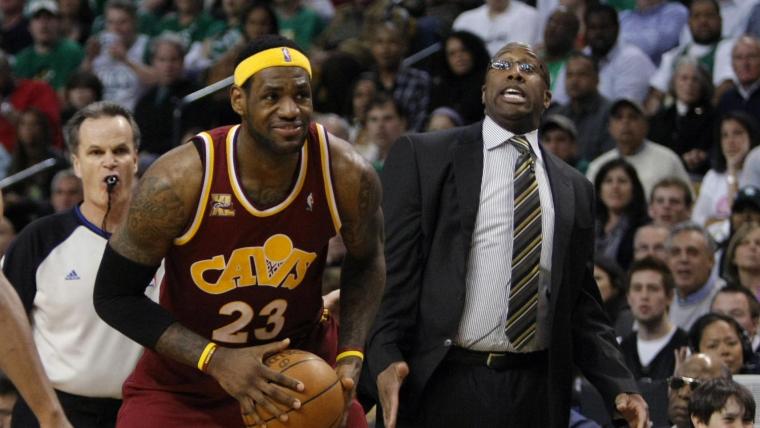
Let’s be real, LeBron James doesn’t just sign contracts; he catalyzes local economies — and dictates narratives. For eight seasons with the Los Angeles Lakers, culminating in a 2020 championship, James held Hollywood’s sporting gaze. But he’s out now, a free agent again. His agent, Rich Paul, the man who pulls the financial strings, reportedly listed Cleveland, Miami, and Philadelphia as the prime contenders for his client’s 24th NBA season. A player of his caliber, with his global brand recognition—his return isn’t just a sporting decision; it’s an economic stimulus package waiting to happen. Consider this: economists estimated the impact of LeBron James returning to Cleveland in 2014 added roughly $48 million annually to the local economy through increased tax revenue and consumer spending, according to a 2017 study by Case Western Reserve University.
“When a figure of James’ magnitude considers a city, it’s not just about the game,” said Akron Mayor Dan Horrigan, whose city felt the direct economic warmth of James’ previous tenure. “It’s a potential jolt to our downtown, our restaurants, our entire service industry. We’re talking real jobs, real revenue—it’s something every mayor dreams of, an engine of civic pride that frankly, few political programs can replicate.”
But the theatrical unveiling, this almost absurd pantomime on the links, serves a purpose far beyond fan engagement. It builds buzz, drives up perceived value, and, perhaps most interestingly, positions Cleveland as the sentimental favorite—a narrative coup. For a city that’s known more Rust Belt heartache than Hollywood glamor, the return of its prodigal son offers something money can’t always buy: a shot at cultural relevancy. This isn’t lost on observers abroad, either. The universal language of sport, especially the NBA, transcends borders. In South Asian markets, like Pakistan, where basketball’s popularity has seen steady growth over the last decade, high-profile free agency sagas aren’t just entertainment; they’re discussions on athlete power, brand loyalty, and the surprising influence of American cultural exports. A player like James doesn’t just attract local viewers; he draws global eyeballs, influencing sportswear sales from Lahore to London. It’s soft power, on steroids.
Cleveland, for its part, isn’t just banking on nostalgia. They’re reportedly pitching a “ready-made title window” alongside Mitchell’s freshly minted four-year, $273 million extension. An elite defense? Yes, they’ve got it. The irresistible allure of a final homecoming? Absolutely. That’s why the golf outing seems less like a casual meet-up and more like a carefully orchestrated press leak, a trial balloon floating gently towards downtown Cleveland. It’s PR, executed by proxy. And it’s genius.
What This Means
The saga of LeBron James’ free agency is more than just sports gossip; it’s a stark illustration of the outsized economic and political influence wielded by elite athletes in the modern era. For municipalities like Cleveland, securing a superstar isn’t merely about ticket sales; it’s about tourism dollars, increased property values, heightened national profile, and the intangible boost to civic morale. This elevates team owners into de facto urban developers, often negotiating public subsidies and infrastructure improvements on the promise of championship glory—a glory almost synonymous with James’ presence. And, let’s be frank, that level of individual leverage over municipal economies, even symbolically, poses interesting questions for regional policy planners. Don’t think for a moment that mayors and city councils aren’t quietly doing their sums, analyzing potential hotel bookings, restaurant revenues, and the all-important tax receipts that could flow into their coffers.
And because these stars become global brands, their decisions resonate far beyond U.S. borders. A superstar like James joining the Cavaliers directly impacts the NBA’s broadcast rights value in emerging markets and deepens fan engagement in regions like South Asia. It’s not just about selling jerseys in Lahore, it’s about projecting American cultural influence and soft power in ways that traditional diplomacy often struggles to match. The subtle manipulation of information—the “leaks” from golf courses or agent proxies—is a strategic move in this high-stakes global game, carefully calibrated to maximize attention, financial terms, and public narrative control. It’s a testament to the player, yes, but also a sharp observation on how public sentiment can be monetized in our digitally saturated world.
“In this game of modern sports, the athletes aren’t just players; they’re walking, talking, financially powerful corporations,” notes Dr. Imran Malik, a political economy lecturer at Islamabad University. “Their movements trigger economic ripples that far outstrip mere sporting interest. Mayors and regional governors know this. They’re often in a competitive dance with other cities, hoping to attract not just a championship team, but the massive revenue streams a generational talent can bring.”
This whole thing isn’t about dunks or three-pointers right now. It’s about perception, leverage, — and the cold, hard cash that flows when a sporting legend weighs his options. Cleveland wants him back. And if that means a little golf-course subterfuge, well, they’ll happily play along.