


Damascus’s Precarious Calm: Assad’s Iron Fist Clenches Over Lingering Scars
POLICY WIRE — DAMASCUS, SYRIA — Even a capital long accustomed to the low thrum of constant threat still flinches. You know, when the mundane rhythm of a market day or a morning commute shatters into...

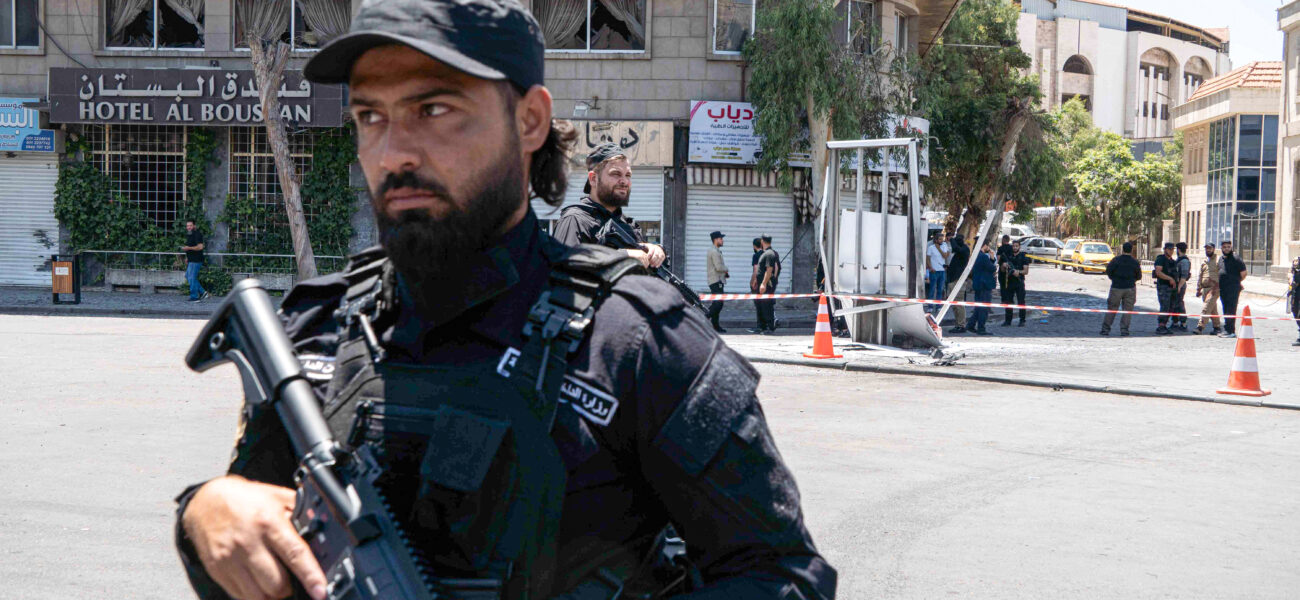
POLICY WIRE — DAMASCUS, SYRIA — Even a capital long accustomed to the low thrum of constant threat still flinches. You know, when the mundane rhythm of a market day or a morning commute shatters into splintered glass — and screams. That’s been the story for Damascus, really—a city perpetually holding its breath. And lately, those old ghosts had been stirring a little too loudly with a series of bombings.
But then, like clockwork, the state narrative snaps into place: swift justice. Syrian authorities, predictably, declared they’ve nabbed the terrorist cell
responsible for those very blasts. A press release, carefully vetted, announced the capture of perpetrators linked to devices detonated recently in Damascus. They weren’t just caught, mind you; they were dismantled, their dark plans foiled, their malevolent web untangled. It’s the classic playbook, a well-worn script that offers both reassurance to a war-weary populace and a potent reminder of the government’s enduring (if sometimes illusory) control.
General Ali al-Abdullah, the no-nonsense Interior Minister, wasted no time in front of the cameras. He peered out from beneath heavy brows, his voice a gravelly assertion of strength. Let this be a message to all who conspire against our nation’s stability,
he declared, a flicker of something grim in his eyes. Our resilience is unshakeable. And those who seek to sow chaos will find only the iron fist of justice awaiting them.
Strong words, designed to reverberate far beyond the confines of state television studios.
The regime’s information machine quickly went to work, spinning the narrative of vigilant security forces and thwarted malice. It’s never just random violence, you see. It’s always external actors, proxy agendas, unseen hands trying to pick at the fragile stitches holding Syria together. That’s the story they’re sticking to, anyway. But a populace that’s lived through more than a decade of grinding conflict knows the reality is far more convoluted, messy even.
Dr. Bashar al-Jaafari, Syria’s Deputy Foreign Minister, provided the diplomatic gloss, framing the arrests within a broader context. These heinous acts,
he intoned during a thinly-attended briefing for foreign journalists, are but a desperate gasp from those regional powers and their proxies who continue to fund and arm extremists to undermine Syria’s sovereignty. They’re trying, foolishly, to reignite a war we’ve already largely won.
His words weren’t really for the journalists; they were for capitals across the region—Tehran, Ankara, maybe even Islamabad, places that hold their own complex interests in the Syrian quagmire.
The incident itself—the bombings, then the quick arrest—highlights Damascus’s precarious existence, balanced on a knife-edge between fragile post-war reconstruction and the persistent threat of destabilization. Because for all the government’s proclamations of victory, pockets of active insurgency remain, both within and along its porous borders. It also shows Bashar al-Assad’s regime, increasingly confident but still encircled, can ill afford even minor public displays of internal vulnerability.
For nations like Pakistan, caught between domestic extremism and regional power plays, Syria’s enduring instability remains a cautionary tale. It’s a stark reminder of how deeply external involvement can fracture a society, creating fertile ground for ideological extremism that easily metastasizes across borders. Pakistan’s own historical entanglements with proxy conflicts, its very complex dance with state and non-state actors in Afghanistan, for instance—well, they offer a stark parallel to Syria’s brutal unraveling. That’s a lesson its policymakers don’t forget quickly. And just recently, Balochistan’s simmering unrest has shown that security challenges aren’t easily wished away, even years after conflict recedes. Balochistan’s Security Challenge, like Syria’s, demands an intricate understanding of regional accountability.
📄 POLICY WIRE WHITEPAPER PUBLISHED: PAKISTAN'S NATIONAL SECURITY POLICY PRIORITIES
👉 READ BY CLICKING HERESyria, for its part, remains economically shattered. United Nations agencies estimate that roughly 90% of Syrians now live below the poverty line. Think about that for a second. Ninety percent. That’s a staggering figure, creating a humanitarian catastrophe on an epic scale, one that no number of terrorist cell arrests can truly mask.
What This Means
This swift, publicized arrest isn’t just about catching bad guys. It’s theater, really. Political theater intended to project an image of competency and control—a messaging operation to assure Damascus residents, who probably don’t need much reminding about government capabilities anyway. For Assad, maintaining this semblance of order, especially in the capital, is absolutely critical. He’s trying to normalize his rule, encouraging international recognition and investment that’s just not coming in droves.
The bombings themselves, irrespective of the alleged perpetrators, serve as a potent, if chilling, advertisement of Syria’s deep-seated fragility. Foreign donors and investors remain wary, not just because of international sanctions but because the underlying instability is far from resolved. You don’t rebuild a country with bombing scares every few months, no matter how quickly you announce arrests. This is also a quiet warning to regional powers: even as Damascus celebrates these ‘victories,’ the conflict’s embers still smolder, easily fanned into flame.
Economically, this sort of urban violence actively strangles any nascent recovery. Businesses can’t thrive in fear, and international aid—even for reconstruction—remains fragmented and often tied to political concessions the regime isn’t eager to make. And the human toll? It’s immeasurable. Each blast, each declared capture, peels back another layer of hope for a lasting peace, reminding everyone that Syria’s war isn’t over—it’s just changed its ugly clothes. The struggle for daily survival, against both unseen enemies — and grinding poverty, just continues.